It’s now 90 weeks since my Left Hip Replacement and it’s been a hell of a journey, especially one to admit it’s not as good as I had hoped, and what to do next. But today is a day of all the emotions, unsure whether to be happy or sad. It’s a Custom Insole fitting day.
I need to ask what shoes I have to wear here on out, and whether these will help. But I have to give it my best shot. As it stands my second hip replacement had made me worse, while it cured the hip, it transferred all that pain and immobility to my lower back.
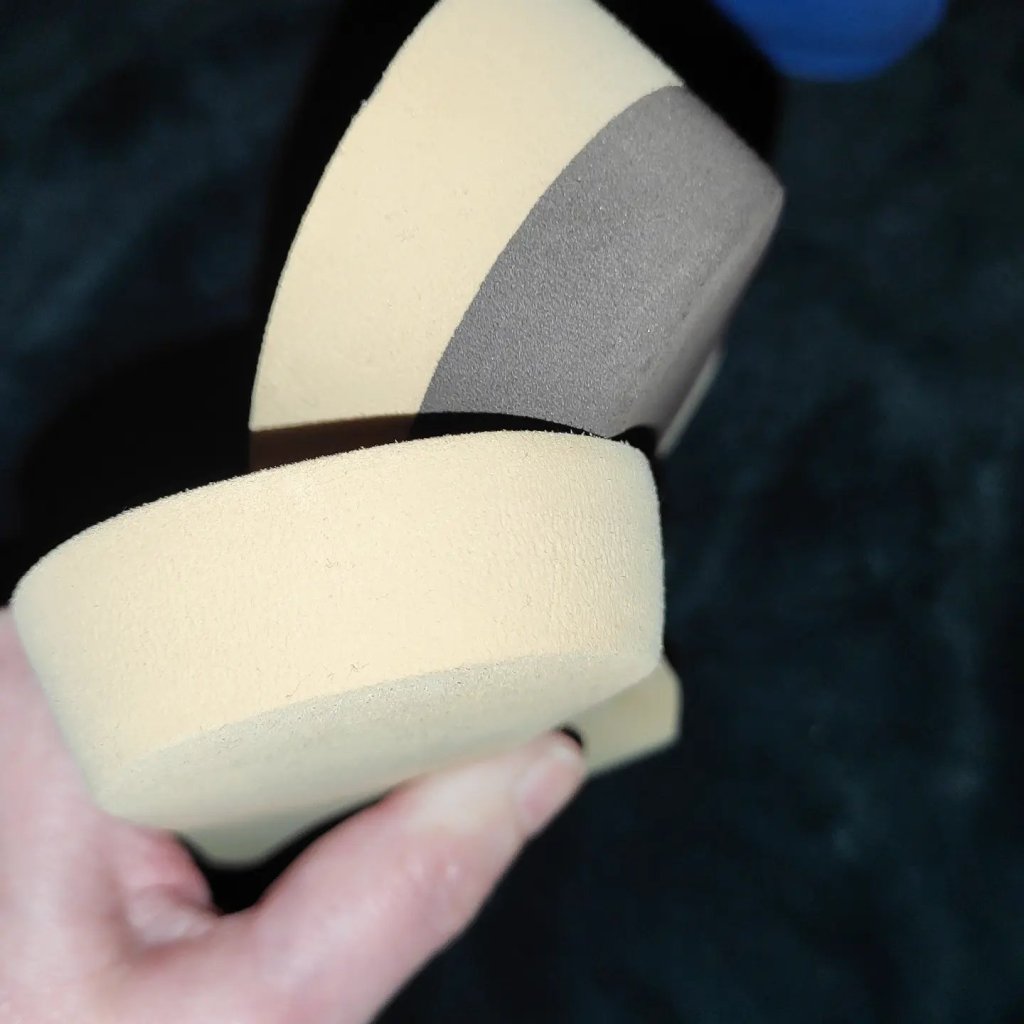


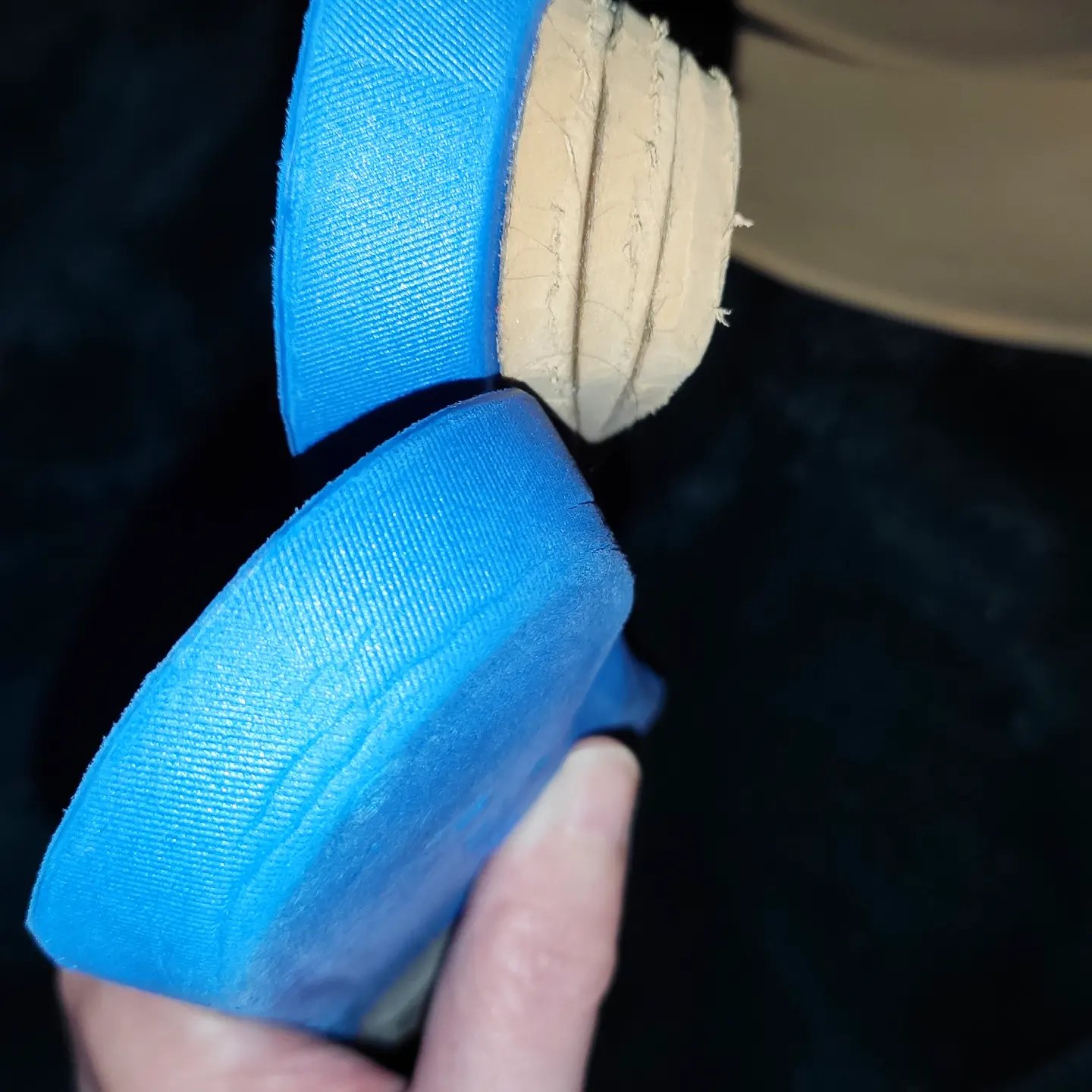
Pre-Fabricated Orthotics or Custom Made Orthotics
These insoles/orthotics have been prescribed specifically for you and suit your unique foot type. Insoles can
improve foot function and decrease symptoms in your feet or legs.
The most appropriate shoes to wear orthotics inside are:
• Deep, Wide and Supportive.
• Have a removable insole.
• Slight heel up to 2.5cm.
• Lace up, supportive buckle or Velcro support.
• The orthotics should fit into trainers, casual shoes, and work/school shoes.
• The orthotics are only as good as the footwear you wear them in and therefore may not fit into unsupportive
footwear, high heels or sandals.
Wearing in your orthotics
Your orthotics have been prescribed and designed to reduce abnormalities in your foot posture and/or function
which can affect your legs, knees, hips and lower back. Because this will change how you use these muscles and
joints, it is important to break in your orthotics slowly otherwise they can make your muscles and joints tired and
painful. Your feet require time to adjust to the orthotics which can be up to 6 weeks. It is common to feel like you
are slipping out the back of your shoes slightly when you first break in your orthotics – this generally settles over
time as the orthotics squash down into your shoe.
The break in period allows the soles of your feet to get used to different pressures and as a guide you should:
1) Wear your new orthotics for one hour for the first couple of days.
2) Increase the time you wear the orthotics every day by one hour per day.
3) Reduce your wearing time or have a rest day if you are feeling sore or fatigued by the orthotics.
4) After 2-3 weeks, you will probably be wearing your orthotics for the majority of the day. At this point, you are
ready to start slowly breaking them into sports or long distance walking.
5) Everyone responds differently to orthotics so this is a guide only. If it takes you twice as long to break them in,
that is ok but if you are feeling great, it is important not to wear them in faster than described above.
Caution!
• If the cover wears out (usually lasts a couple of years), these can be replaced.
• Orthotic devices may be intended for use only to assist a reduction in your symptoms. When the symptoms
subside, you may not have to continue wearing them and your podiatrist will advise you on this.
• Upon initially wearing the insoles you may experience the following symptoms: Aching in the knees, hips, thighs,
lower legs, back or in the soles of the feet.
• Symptoms should settle down within a few weeks or wearing the insoles.
• Should these symptoms continue, or become worse, remove the insoles, then contact your the clinic directly to
book a review appointment as the insoles may need further adjustments.
We’ve been back on the Yoga routine, now I’m 10 weeks post thumb surgery, I feel I can move around a bit better, though often need to use fists instead of hands down at 90degrees. But Yoga with Adriene does a lot of hands free yoga. It’s nice to help ease the tightness in the back and hip flexor, these areas need it massively.


 Hipster
Leave a comment