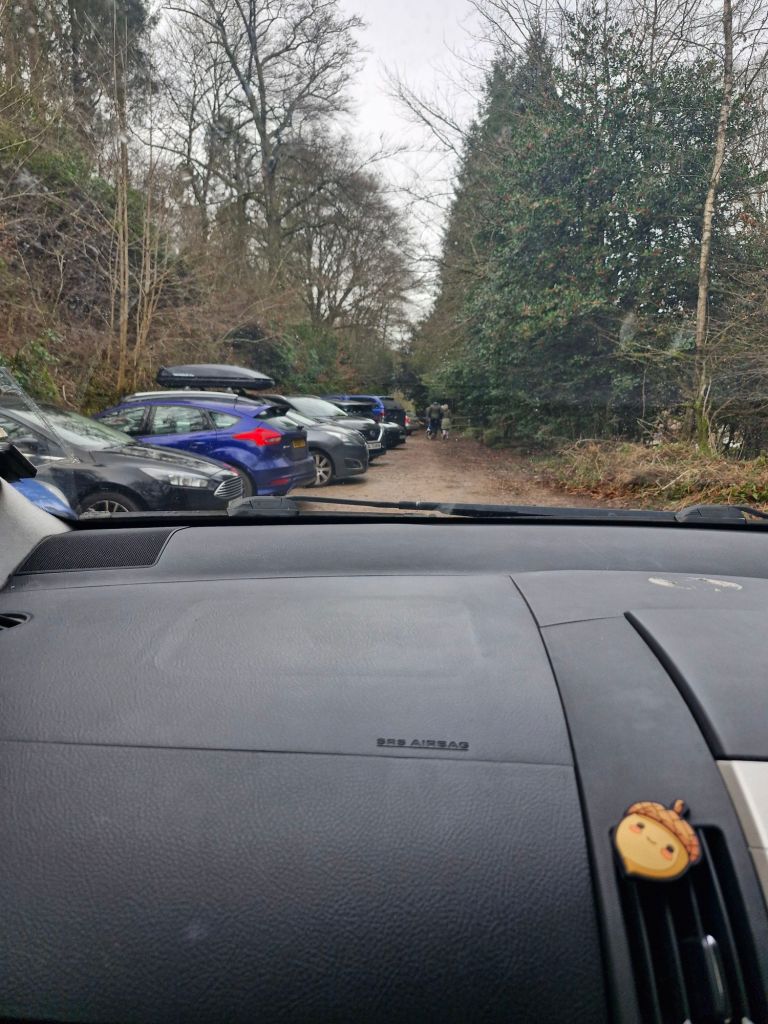
Its New Years Day and the weather isnt too bad, so off we went for a stroll. We had wanted to go to Dimmingsdale but after seeing 2 car parks rammed, we had to reasses and try elsewhere.

We decided to head to Blithfield Church and the Reservoir.
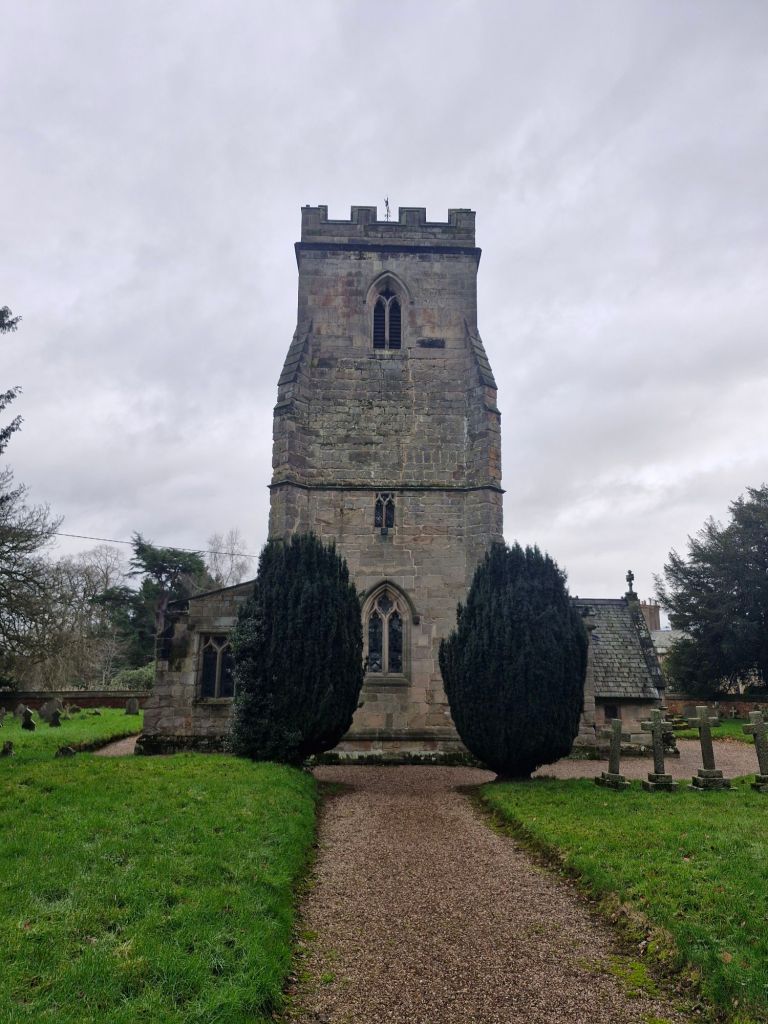
Blithfield takes its name from the river Blythe, a tributary of the Trent, and is some 8 miles E of the centre of Stafford and 4 miles N of Rugeley. There is no village any longer; all that remains are the hall, the church and the old rectory (damaged by fire in 1962 and rebuilt into apartments in the 1980s). The old village disappeared, probably in the 16thc. or 17thc., to allow the extension of parkland for the hall. The Blythe itself was dammed in 1953 to form Blithfield Reservoir, over two miles long and half a mile wide, and now a centre for wildlife and leisure activities as well as a source of water for S Staffordshire.
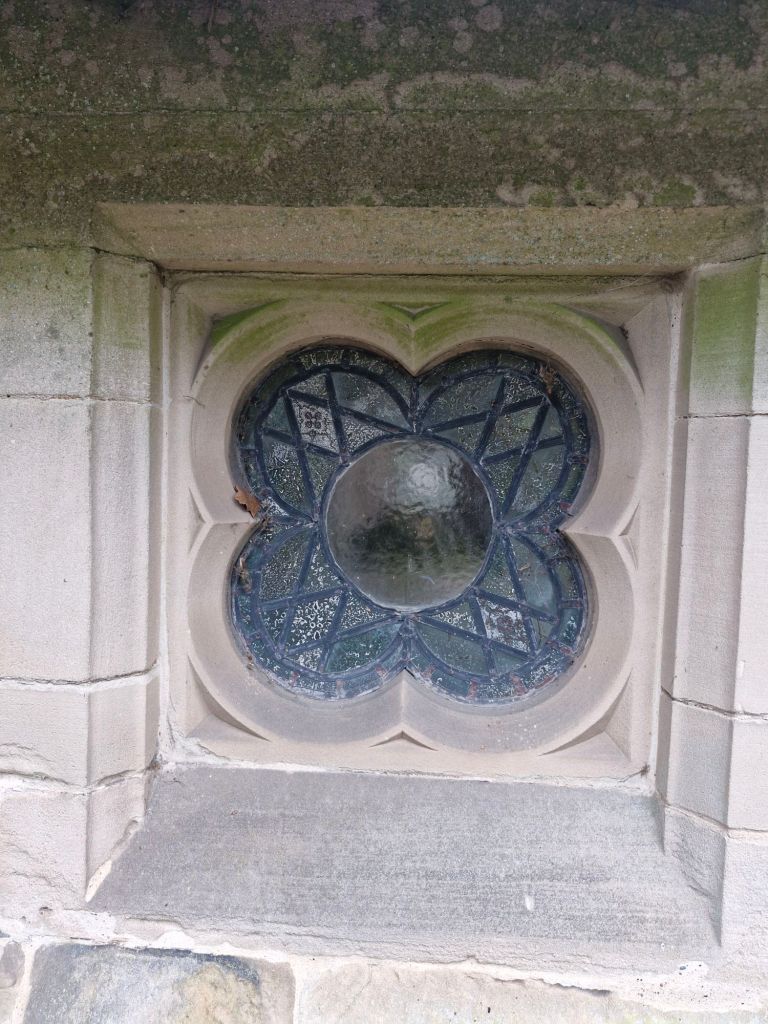
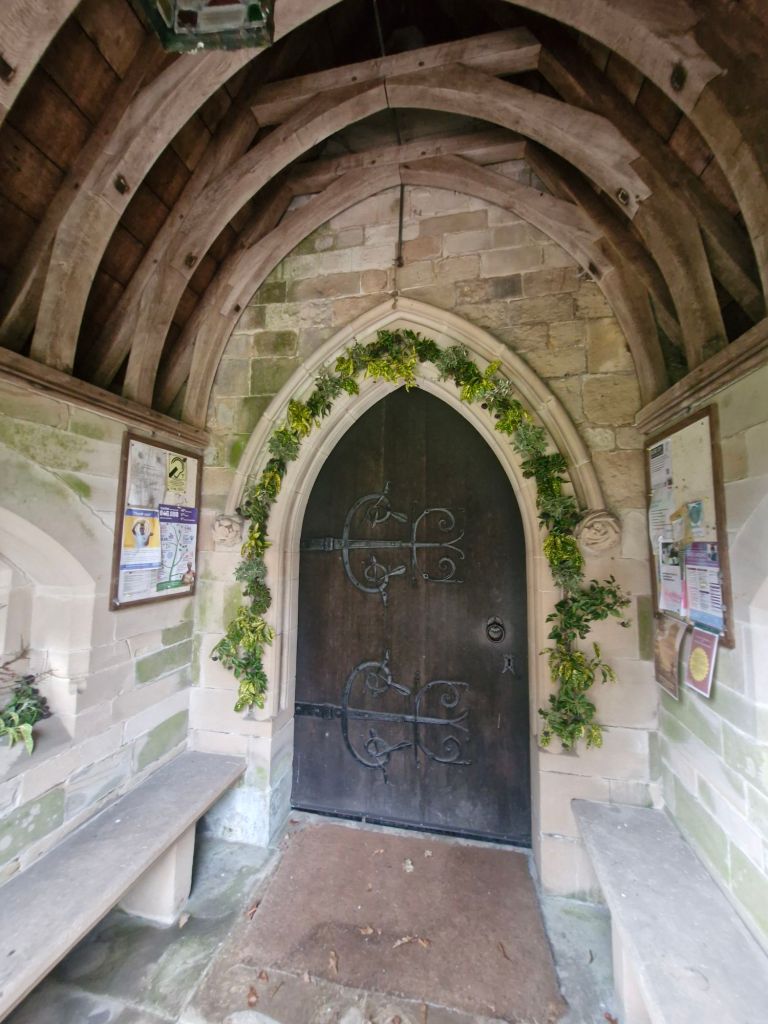
St Leonard’s is of pinkish grey sandstone and consists of a nave with aisles and a tall clerestory, a chancel with a polygonal N vestry and a W tower. The four-bay nave arcades are mid-13thc. work, with cylindrical piers, moulded capitals and pointed arch with chamfered orders. The aisle windows are 14thc. square-headed double lights and there is a S doorway with a porch by Street (1860). The nave was heightened and the tall clerestory added around 1500. The chancel is ofc.1300 or slightly later, with Y-tracery windows and ogee tracery in the piscina. In the S wall outside is a niche tomb that has been identified as that of Richard de Blithfield, rector fromc.1185-1234. On the N side of the chancel, the polygonal vestry dates from 1829-30. It was built as a mortuary chapel for the Bagot family, and is liberally supplied with Bagot memorials. Other Bagot tombs stand in the chancel itself. The W tower is of two storeys, 14thc. below and 15thc. above with diagonal buttresses and a battlemented parapet. The chancel was restored to Pugin’s designs in 1851, and the work included replacing the timber roof and the E window. An attractive, simplified S view ofc.1770 in the William Salt Library (SV II 53) shows the church without its porch and apparently lacking a chancel roof. In Buckler’s 1824 SE view (SV II 46) the porch is also lacking and the chancel is heavily overgrown with creeper. His NE view of the same year (SV II 48) shows the N side before the polygonal mortuary chapel was added. Other antiquarian views are noted in the bibliography. The church contains a 12thc. pillar piscina that has been ingeniously converted for use as an offertory box, and is thus prominently sited opposite the S nave doorway.
History
Blithfield was held by Edmund, a free man, before the Conquest, and in 1086 by Earl Roger and Roger from him. It consisted of one hide of ploughland, six acres of meadow and woodland three furlongs by one. A priest was recorded at that date, suggesting the presence of a church. By the 14thc. the lordship was in the hands of a family taking its name from the manor, and it passed to the Bagots in 1357, when Sir Ralph Bagot of Abbots Bromley married Elizabeth, daughter and heir of John Blithfield. The Bagots still hold much of Blithfield.
Benefice of Abbots Bromley with Blithfield.
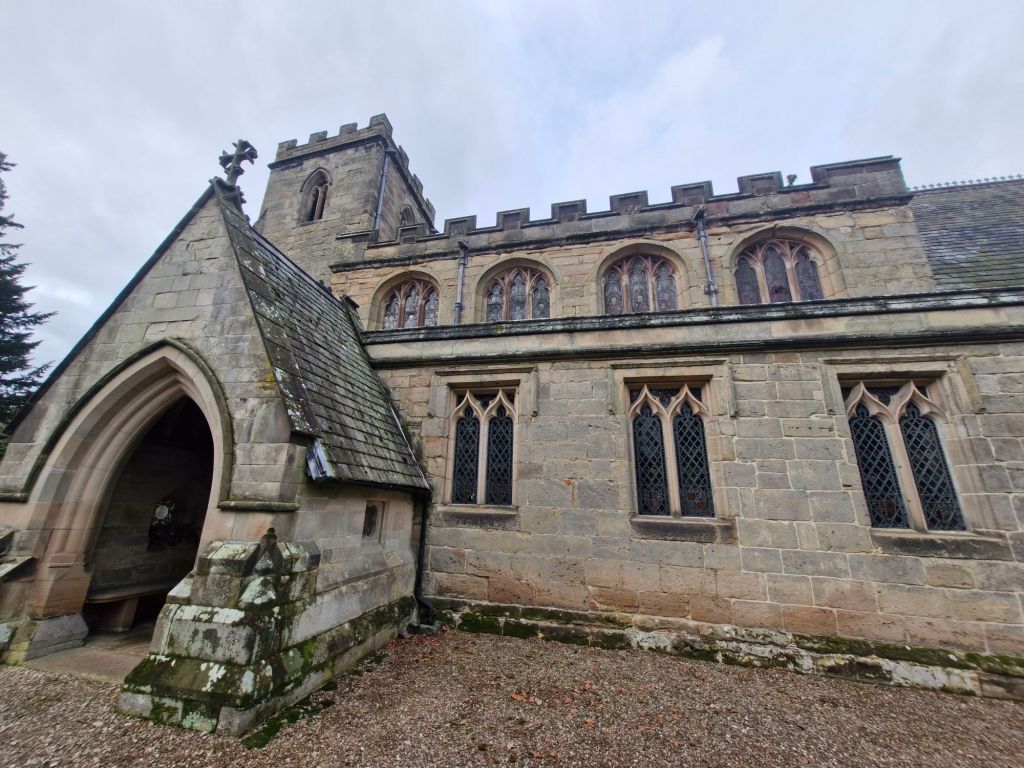
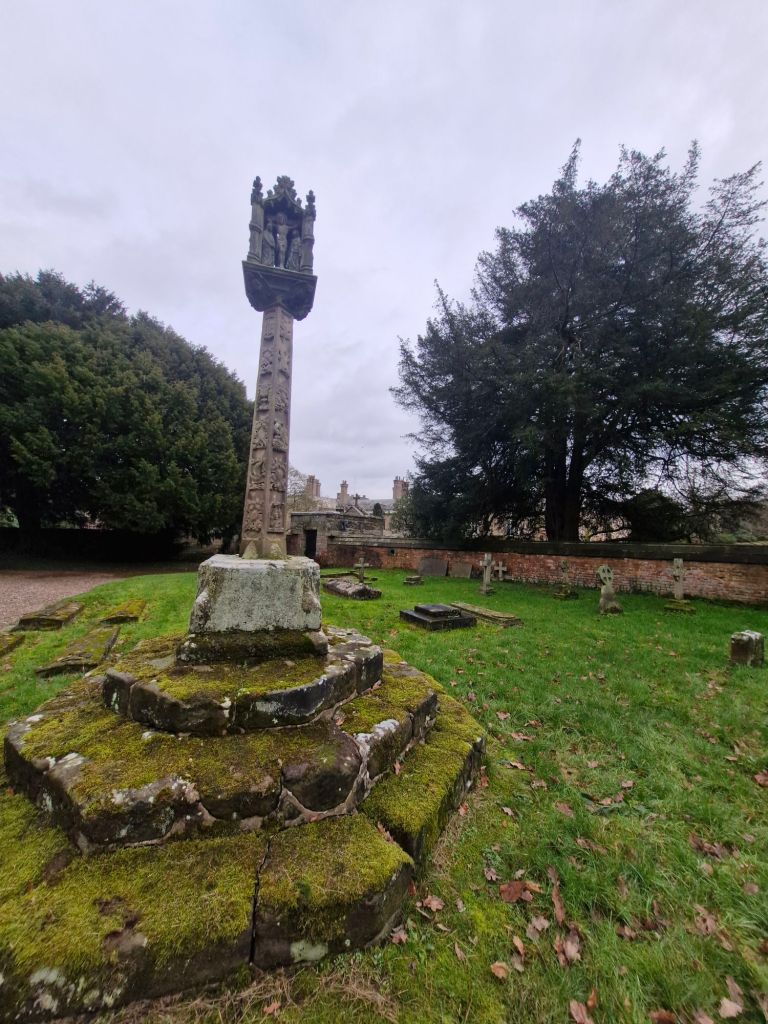

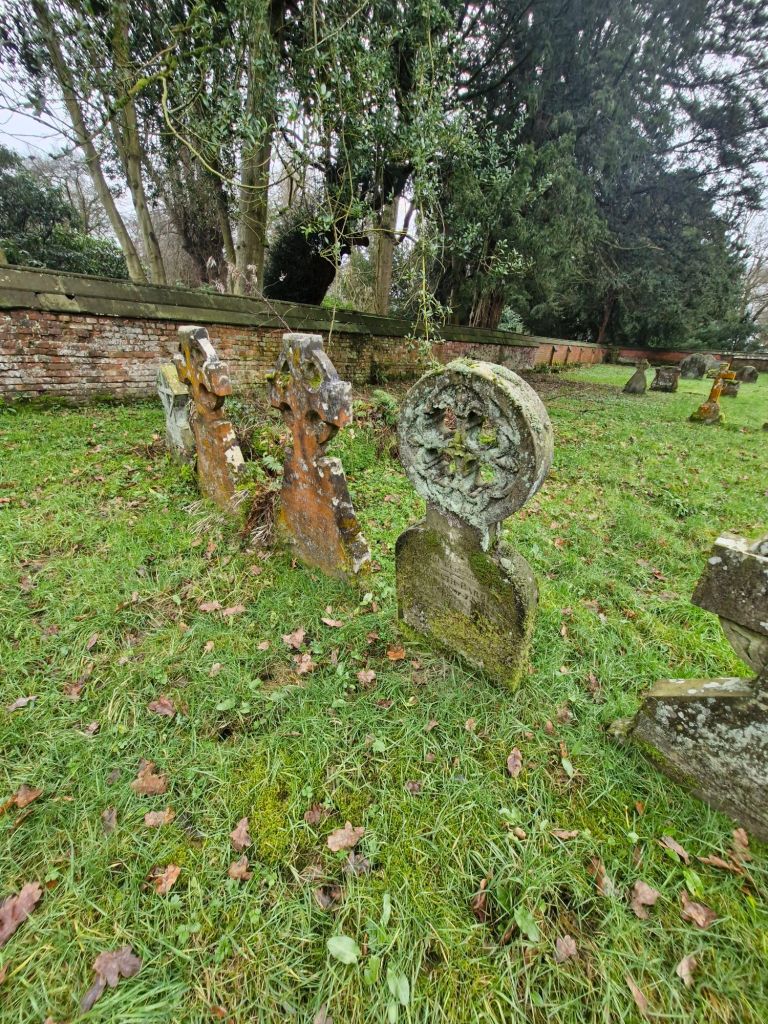
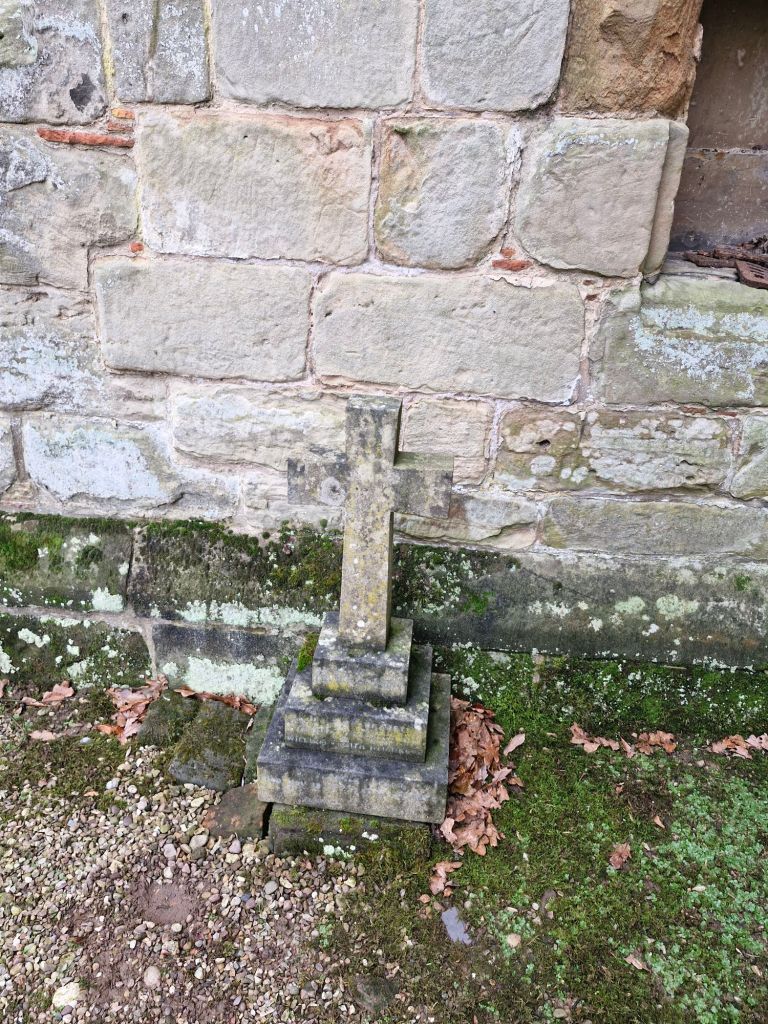
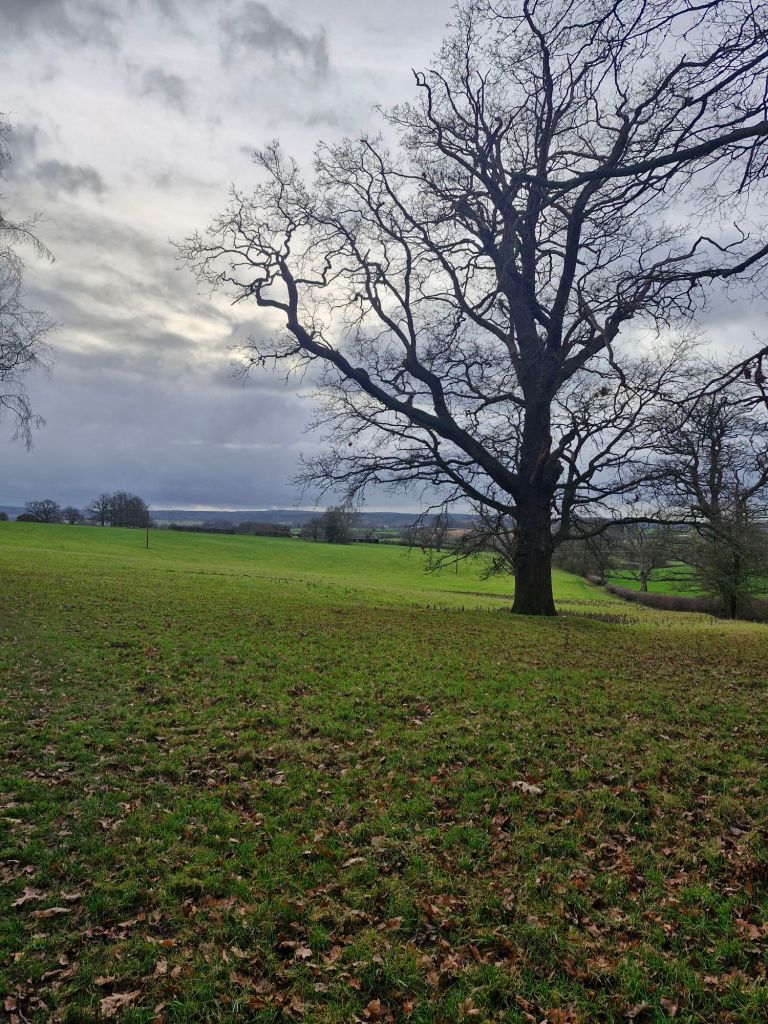
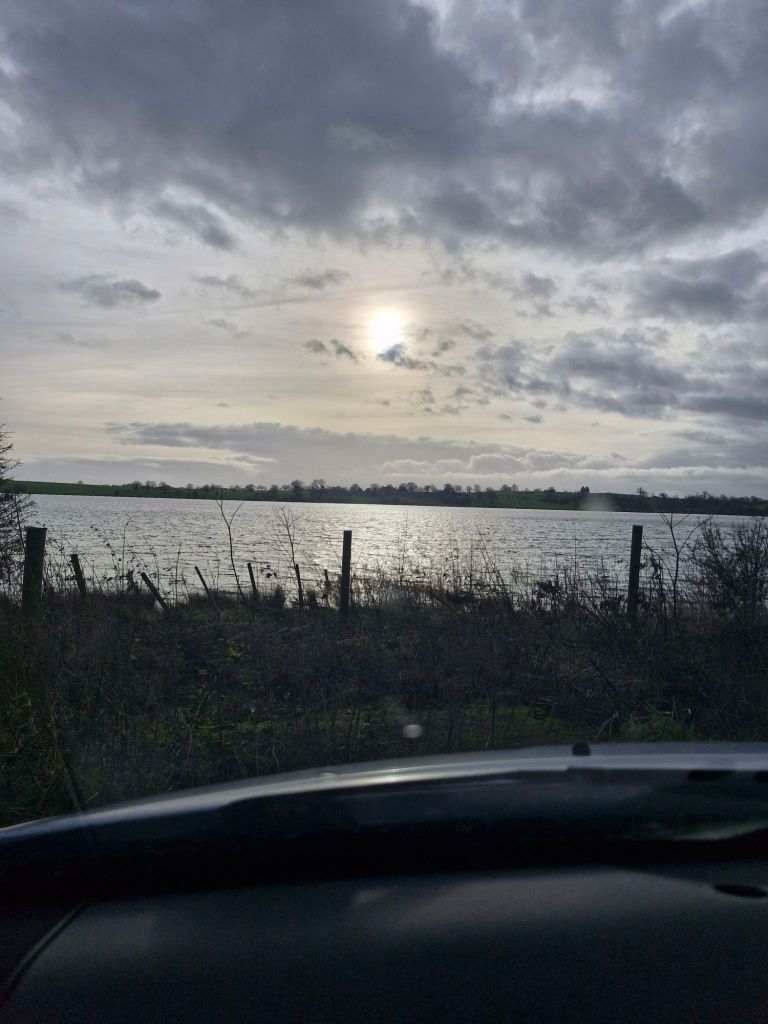
We then ended the day around the nearby Reservoir and woodland areas.
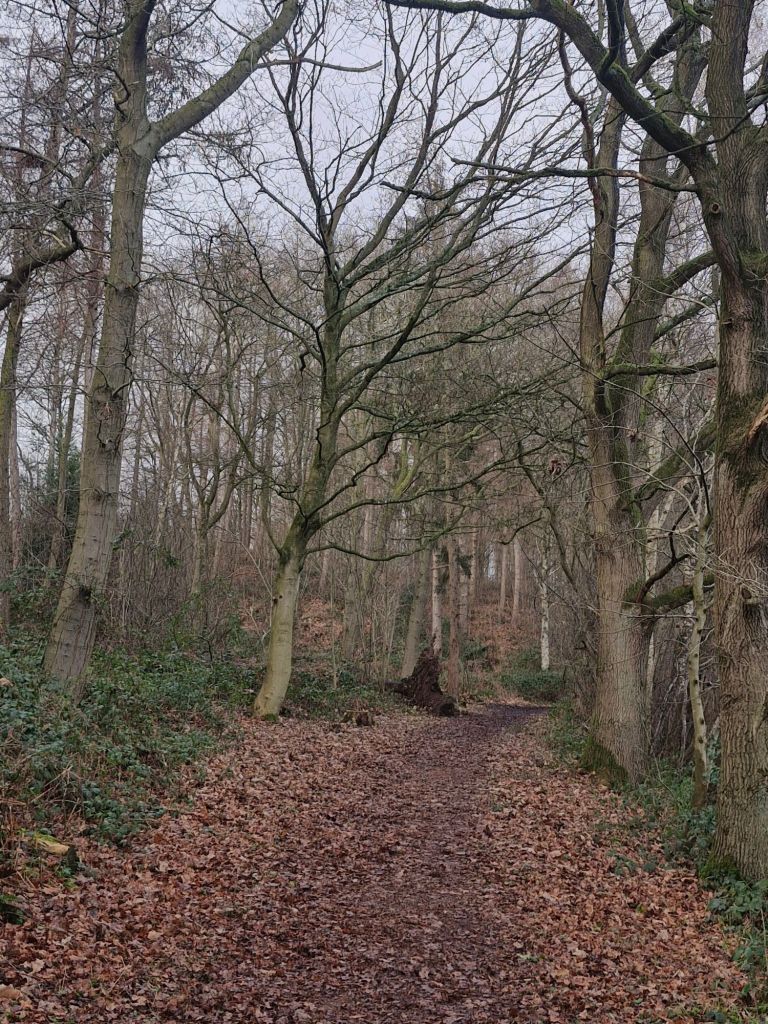
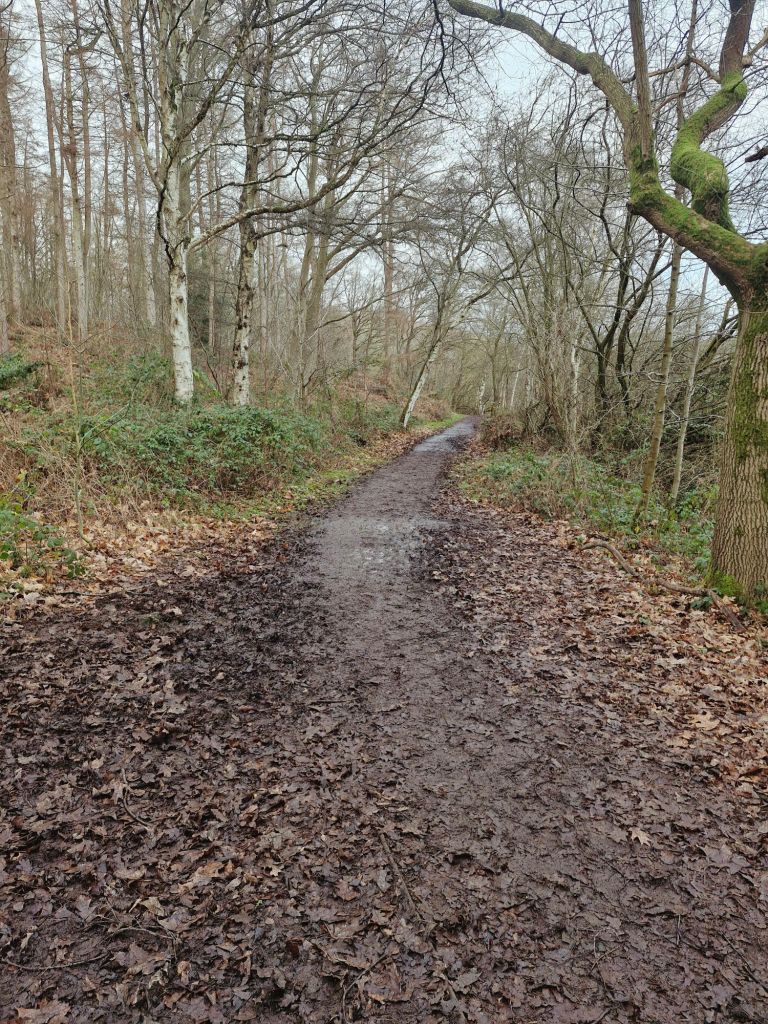
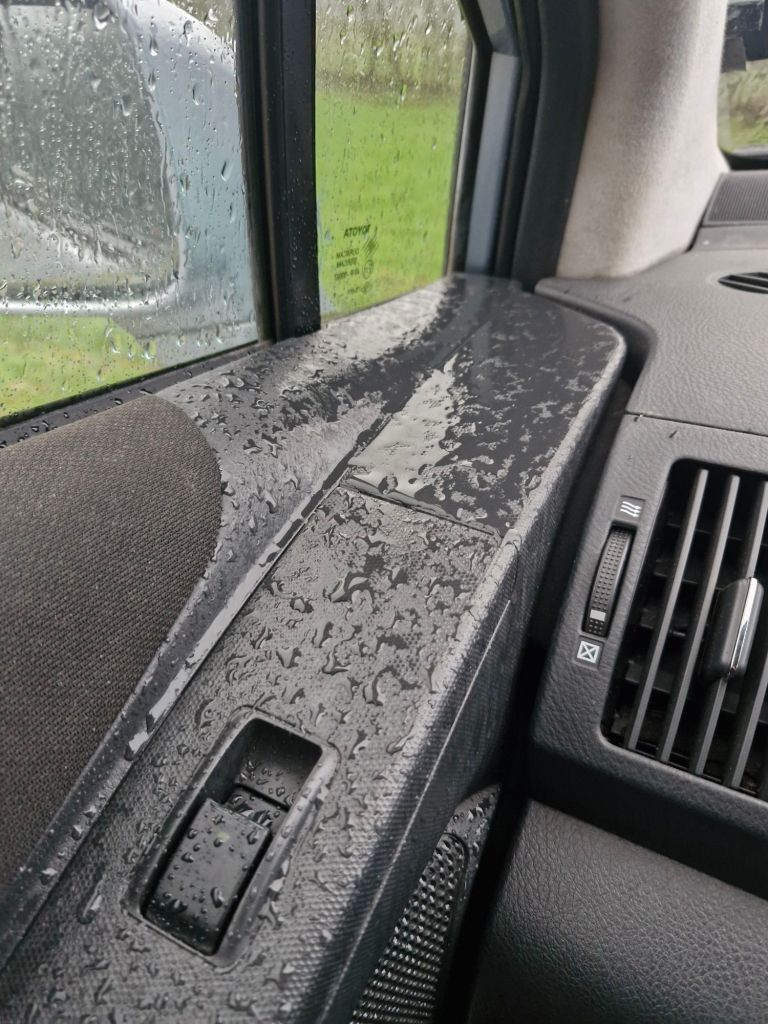
And this small stroll wore me out, and the rains came, (which wasn’t on our weather app!)

 Hipster
Leave a comment