We didn’t visit the house (as its half term and super busy) but I will return to visit it one day. However you can walk along some of the grounds for free. So thats what we set out to do.
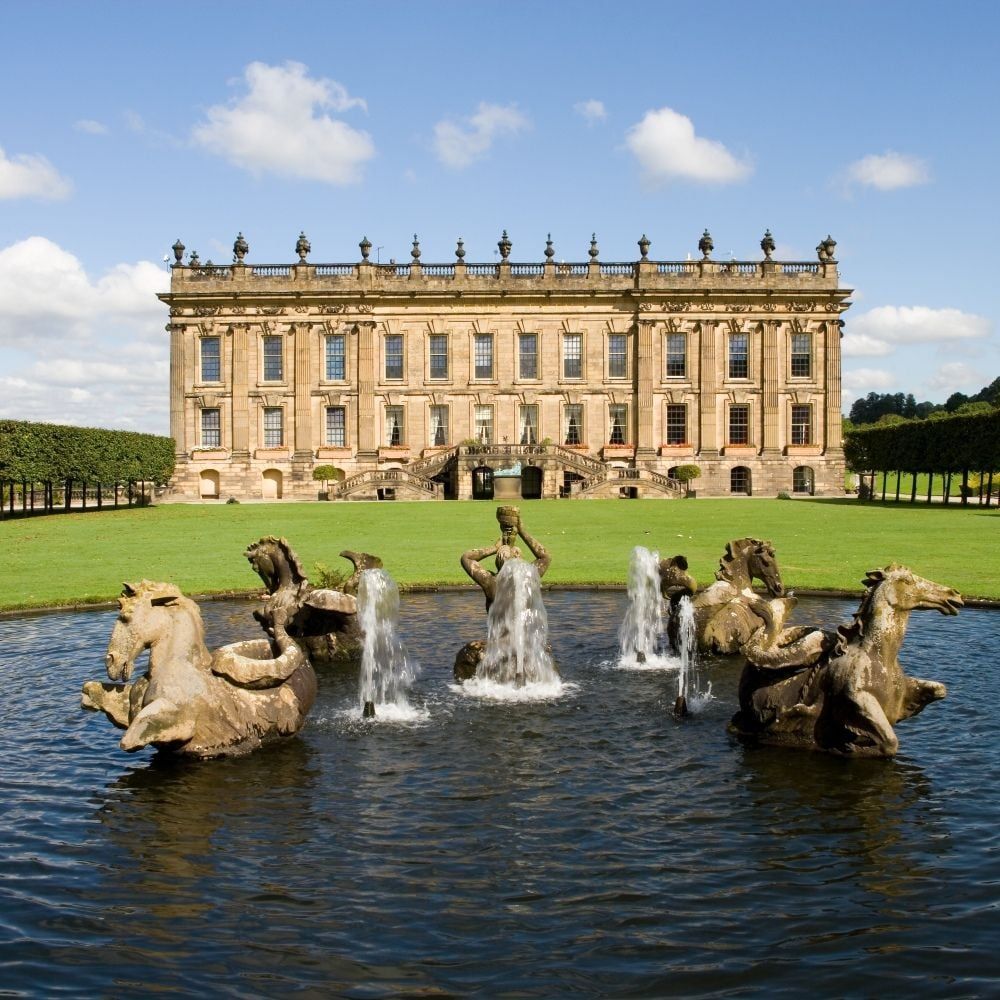
Chatsworth House is renowned for its art, landscape and hospitality, and has evolved through the centuries to reflect the tastes, passions and interests of succeeding generations of the Devonshire family.
Today, Chatsworth is cared for by a registered charity, Chatsworth House Trust, which preserves the house, garden and parkland for everyone to enjoy, and cares for the Devonshire Collections; works of art that span 4,000 years, from ancient Roman and Egyptian sculpture, and masterpieces by Rembrandt, Reynolds and Veronese, to work by outstanding modern artists, including Lucian Freud, Edmund de Waal and David Nash.
There are over 25 rooms to explore*, including the magnificent Painted Hall, regal State Rooms, restored Sketch Galleries and atmospheric Sculpture Gallery.
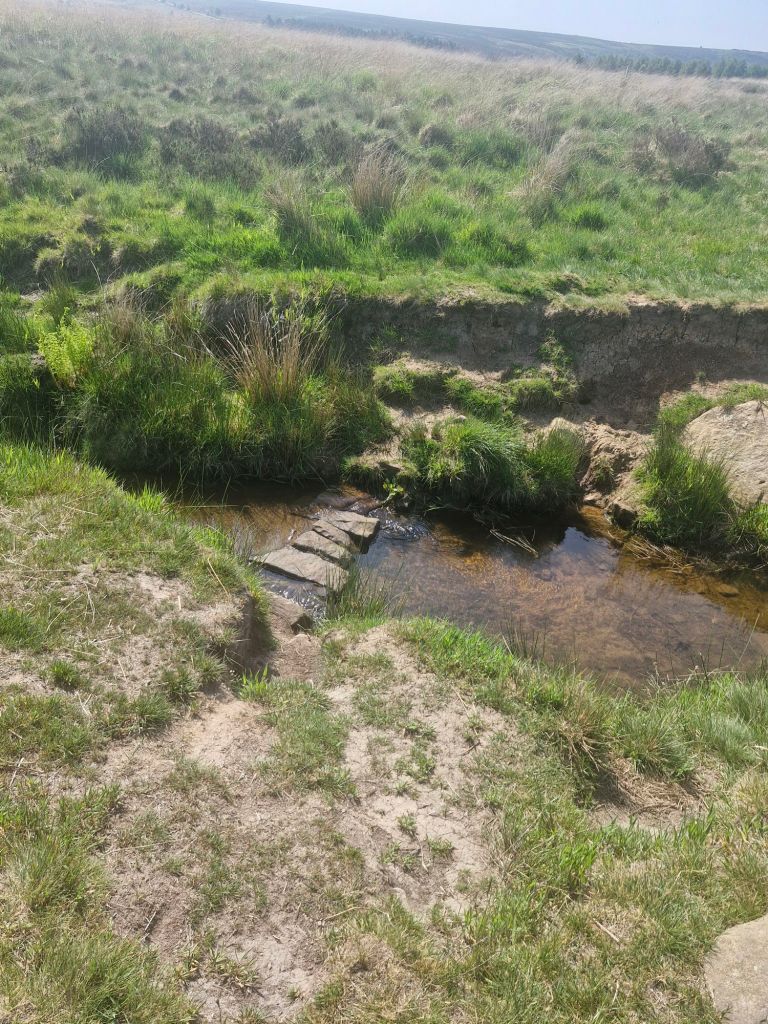
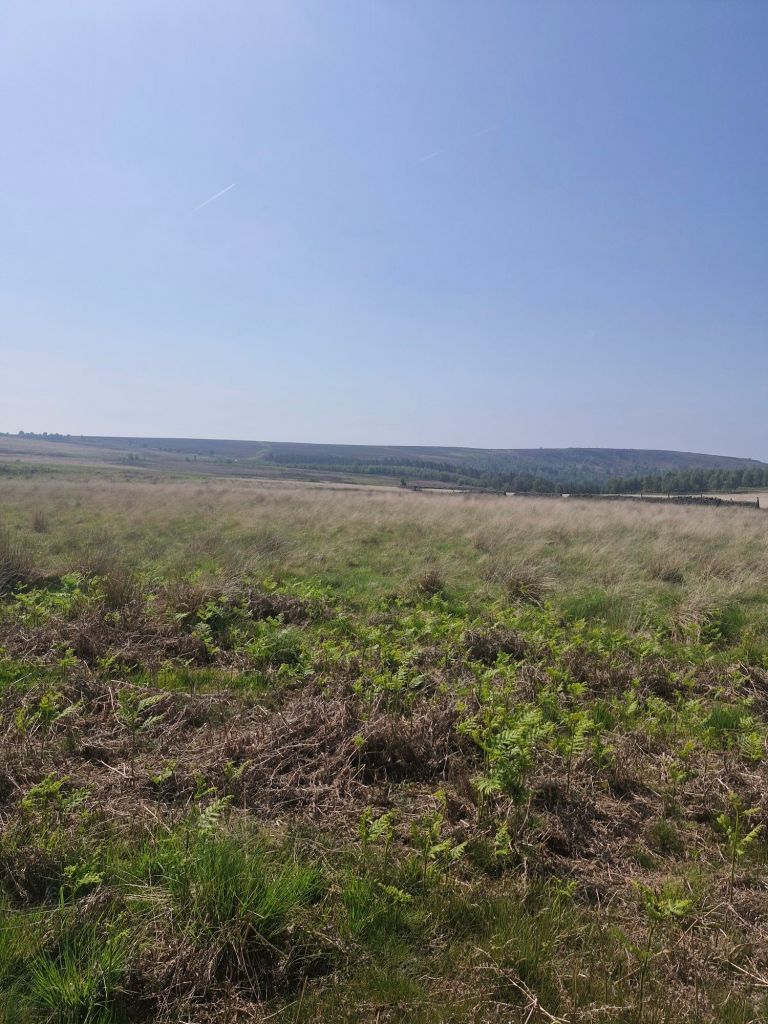
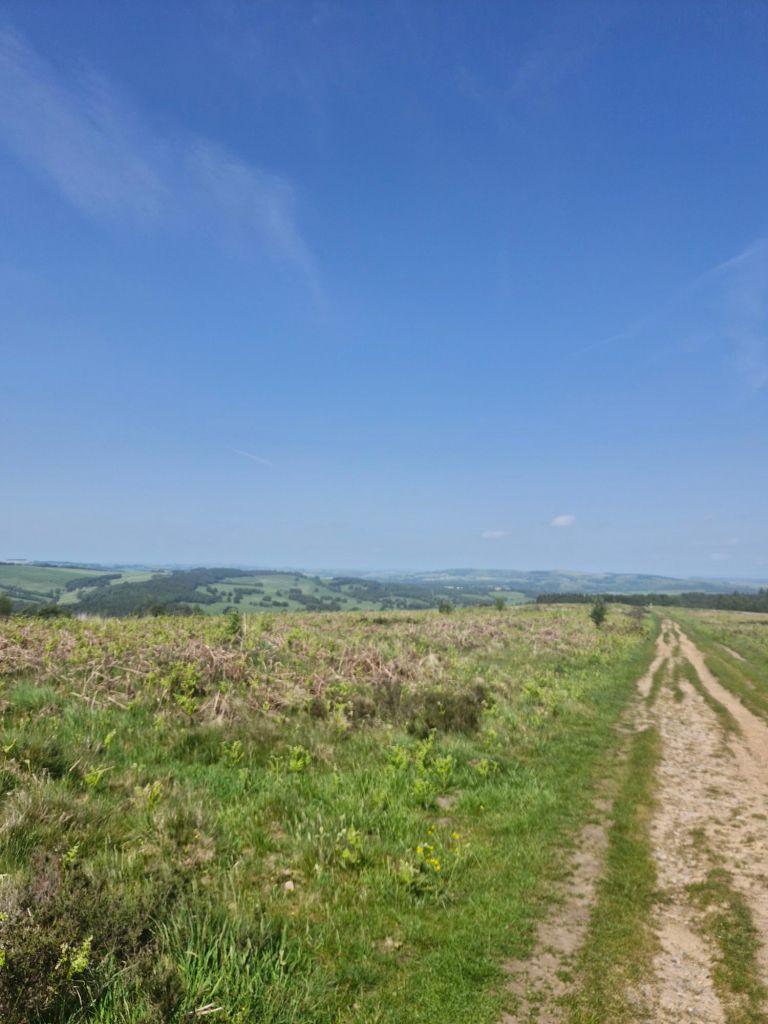
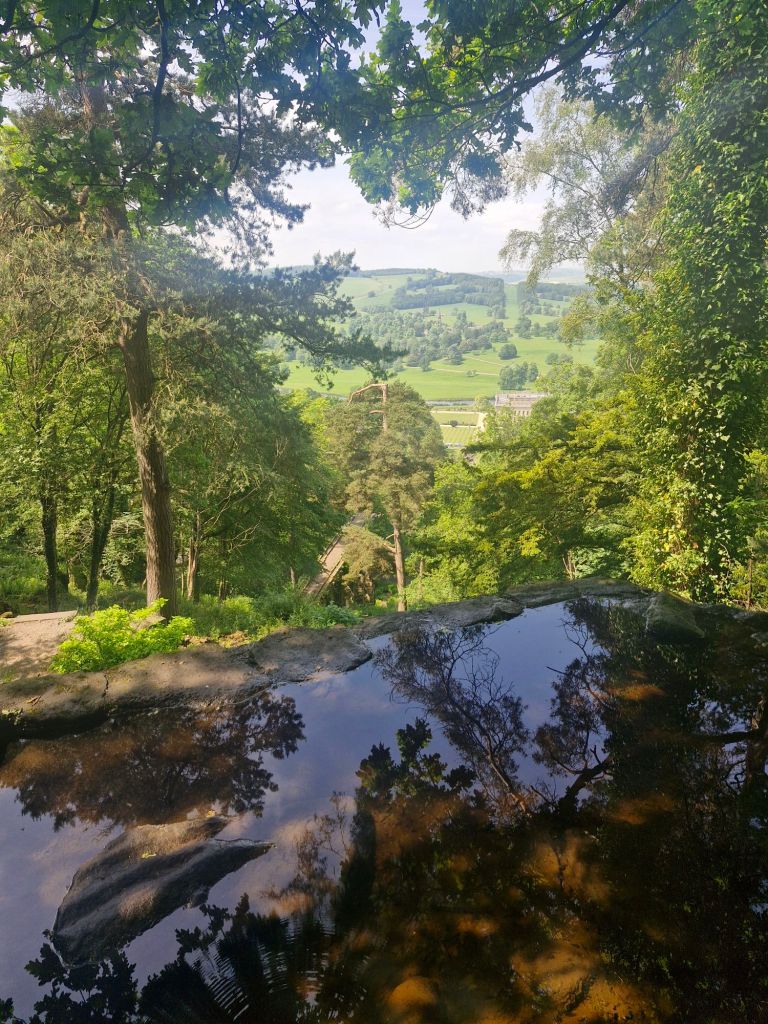
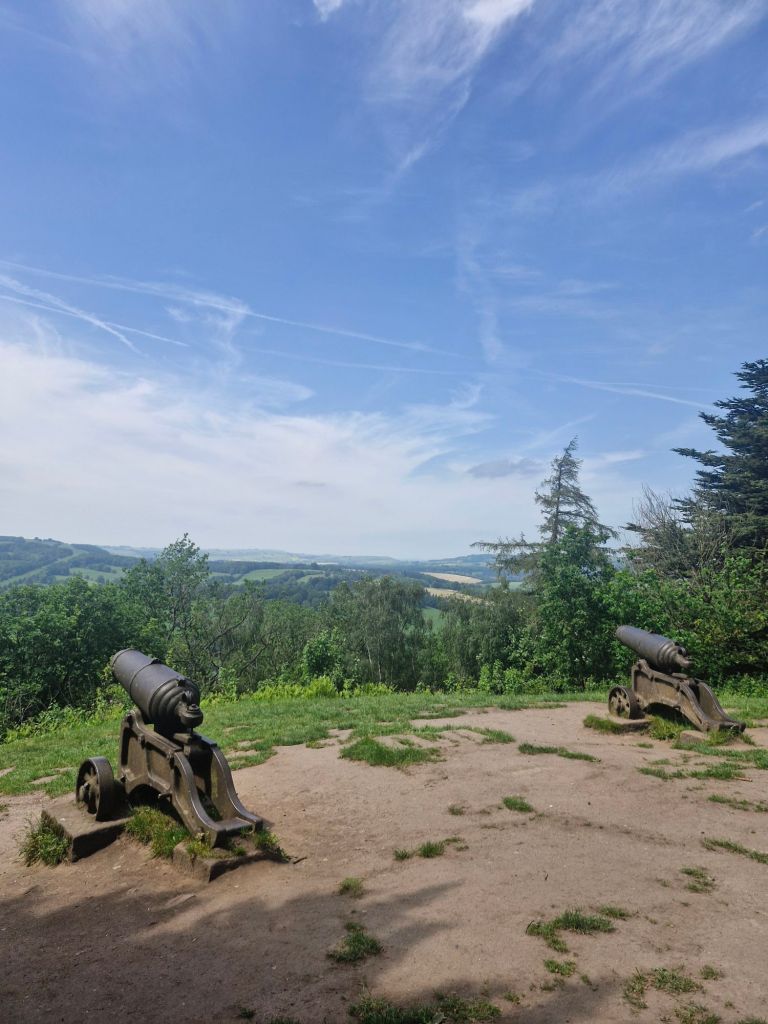
Super warm and you can see for miles, though in the distance it is hazy.
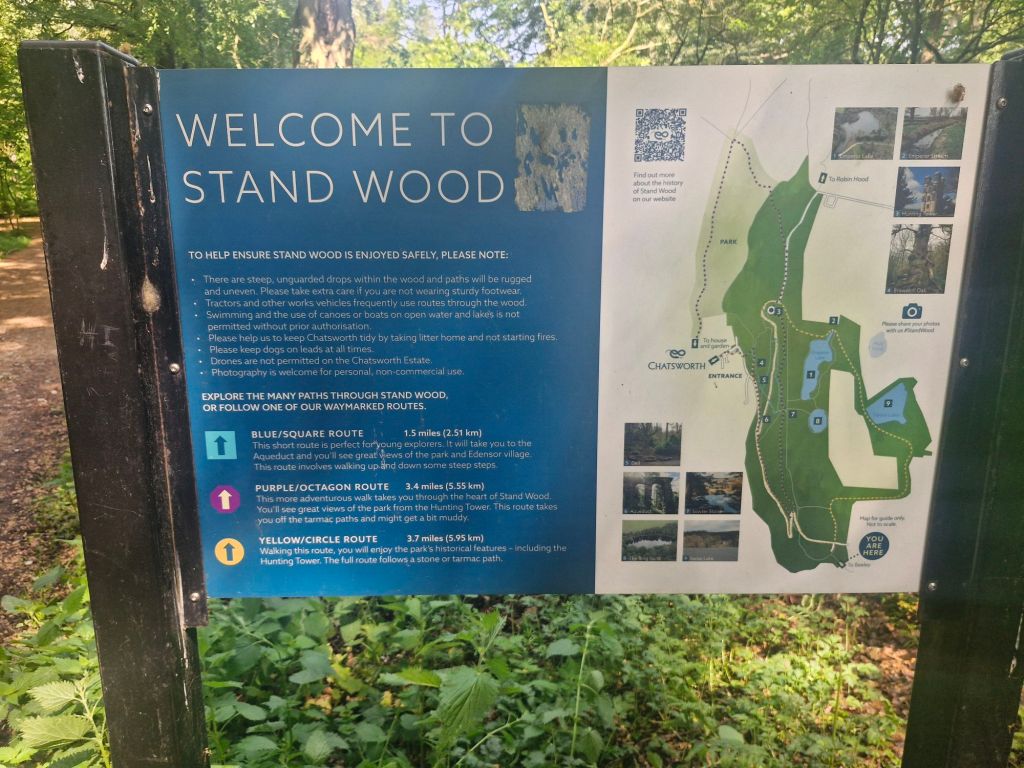
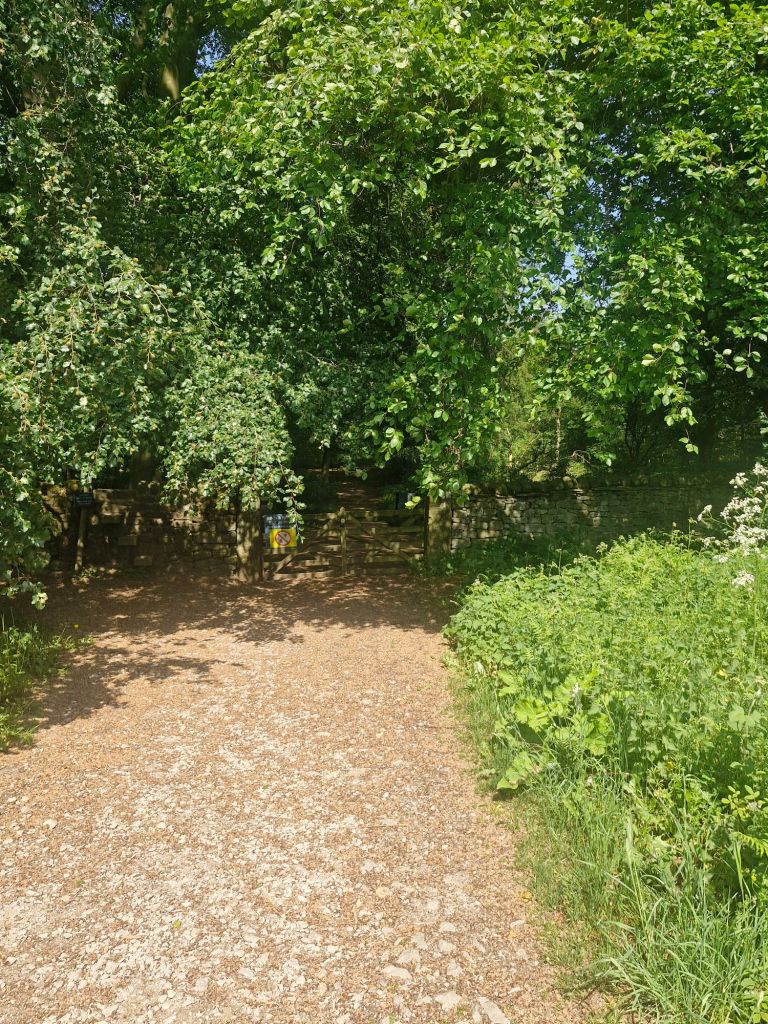
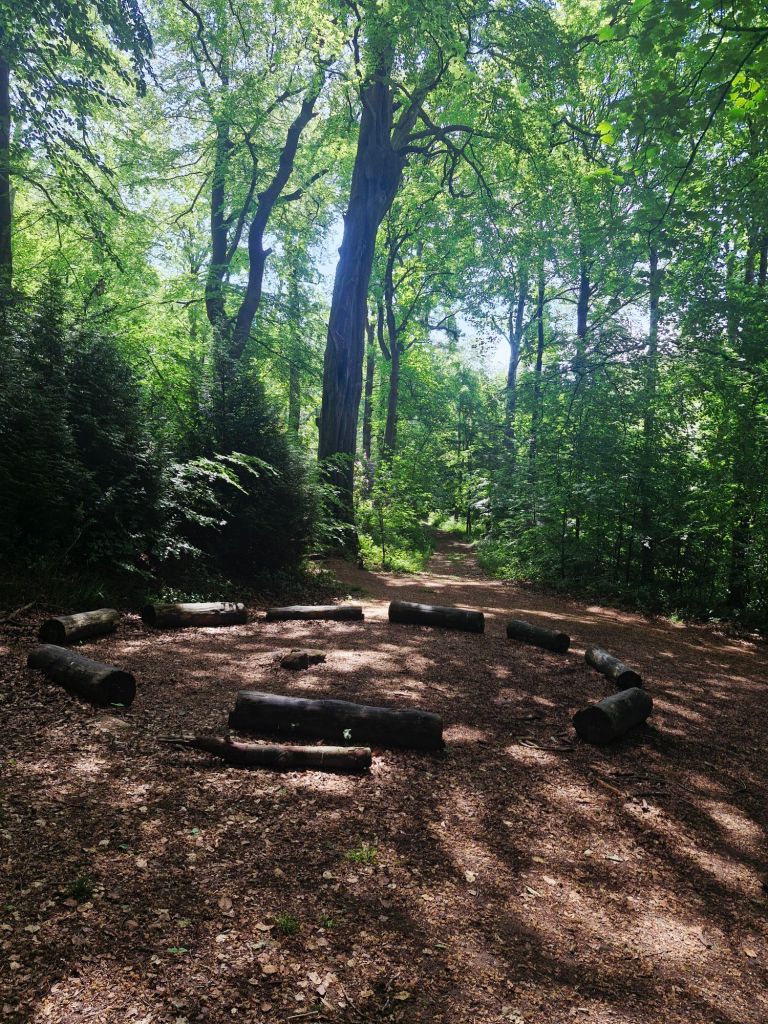
Like stepping into an Enchanted wood.
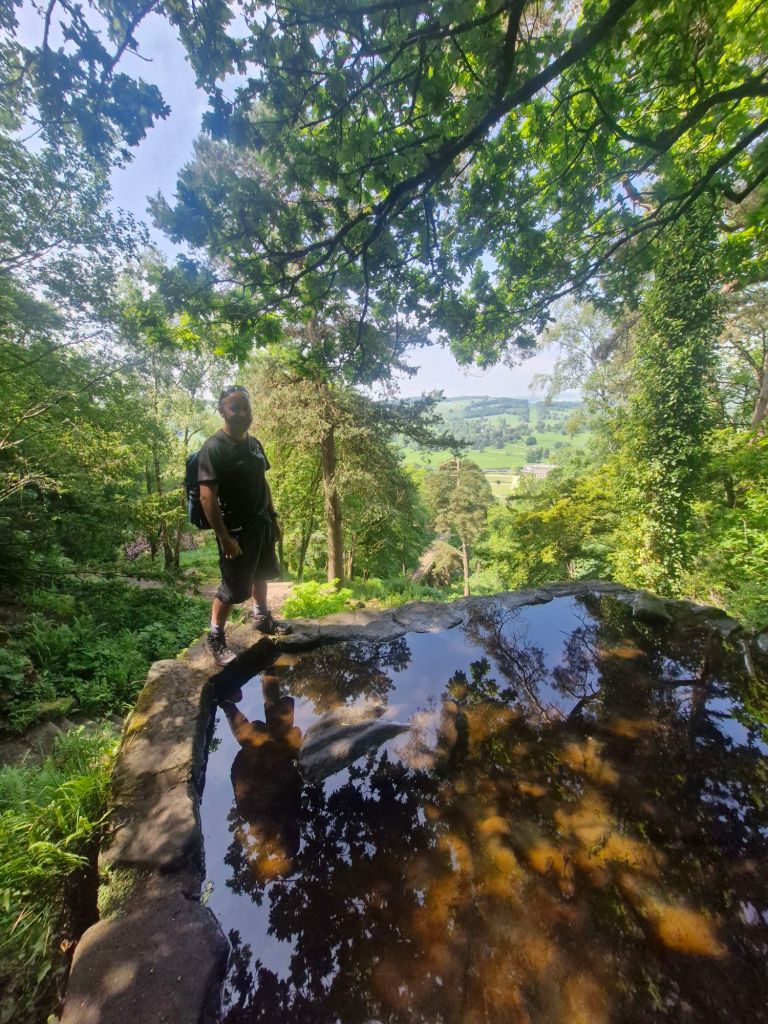
A natural spa? Oooooo yes pls. I did get into this up to my knees (nearly) what a view!! This is Sowter Stone info about this is further down this post. When its rainy it overflows and creates a waterfall.
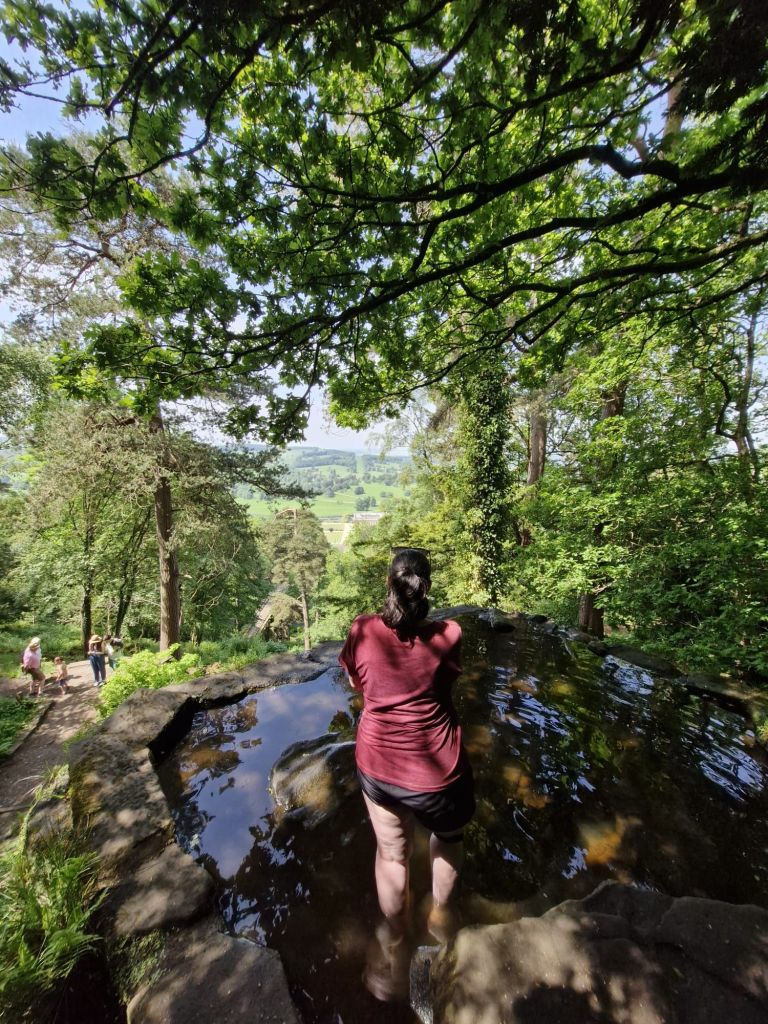
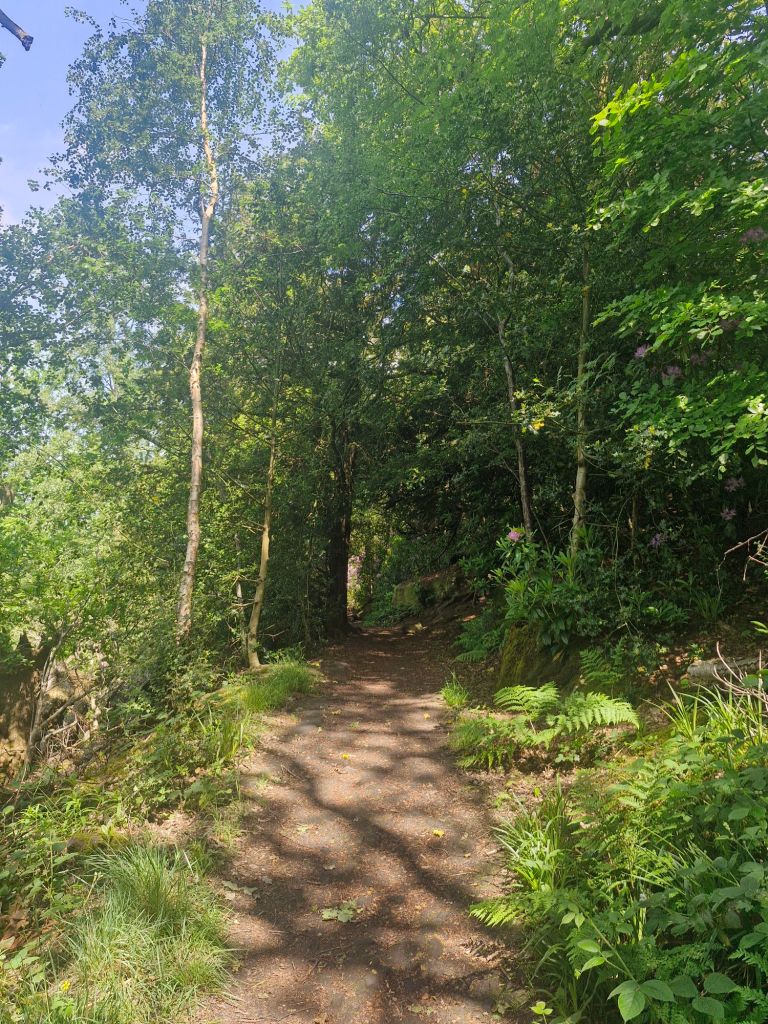
It was 29° degrees but the trees gave us perfect shelter all day. And lots of places to sit down and eat our packed lunch.
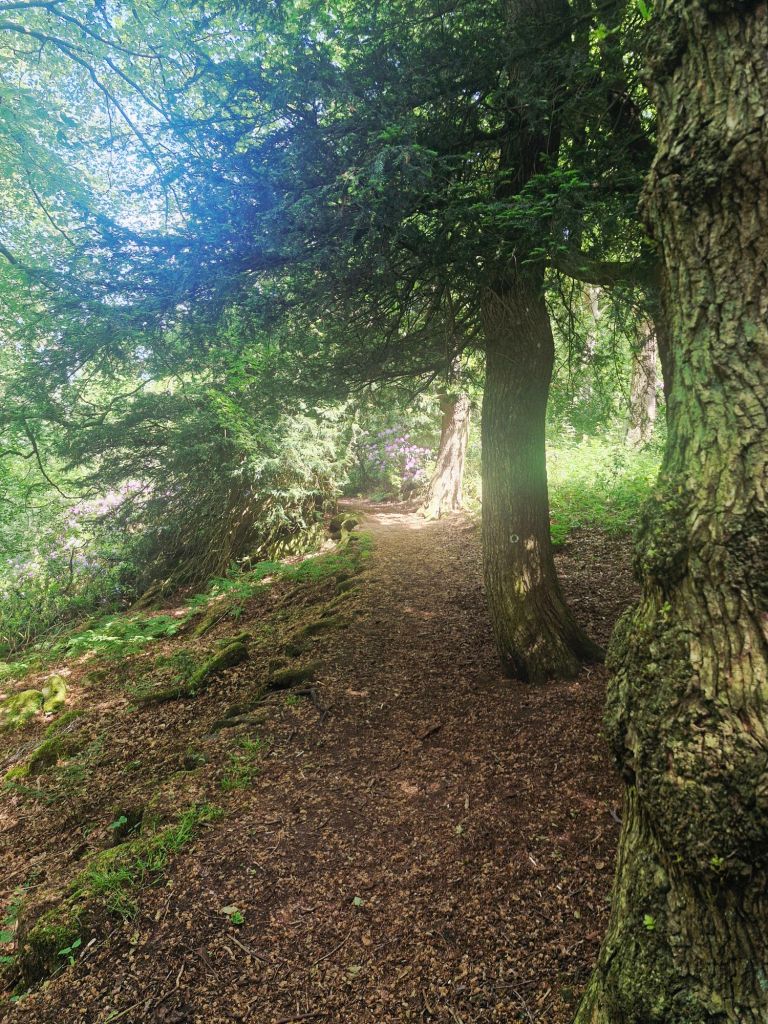
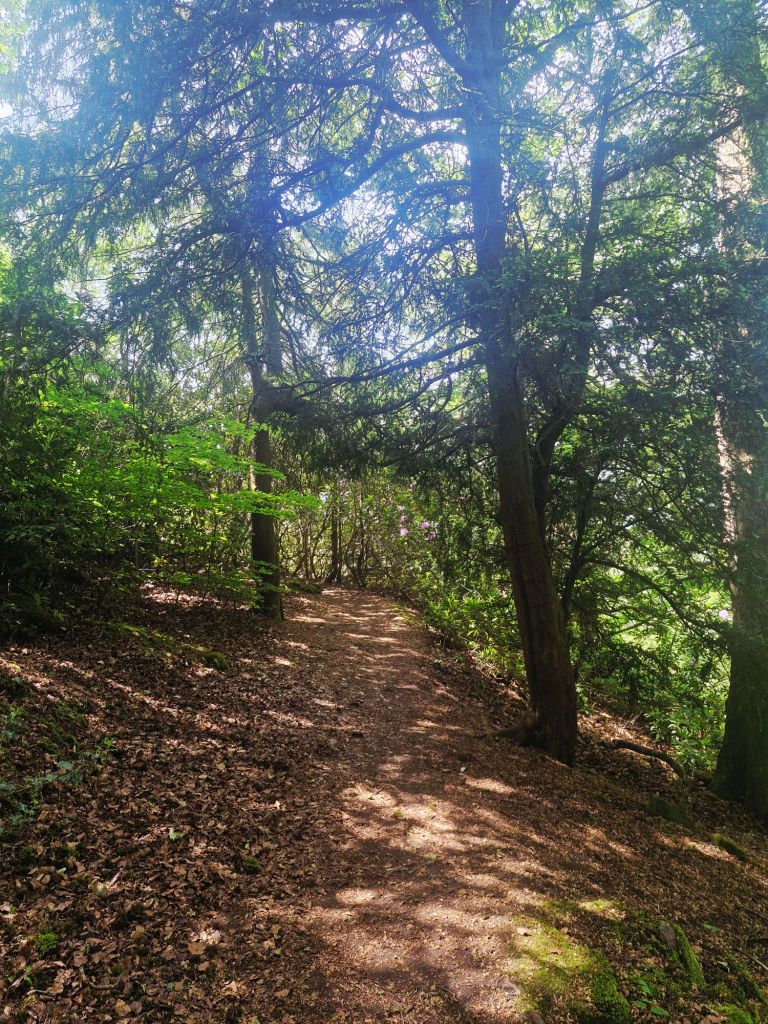
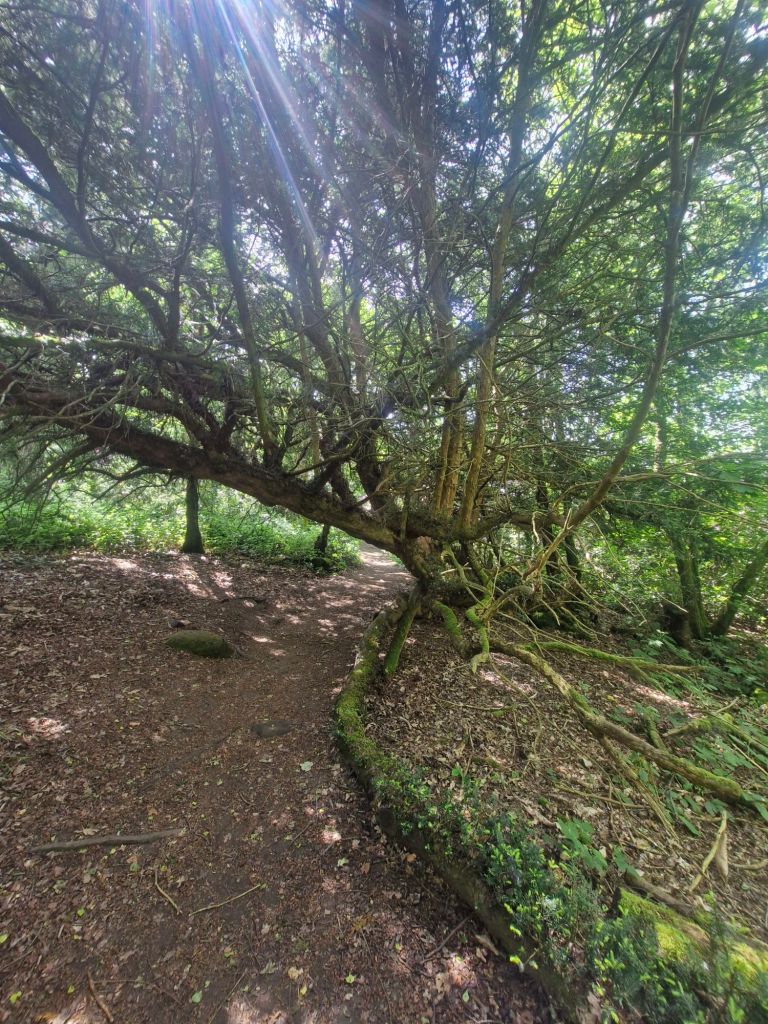
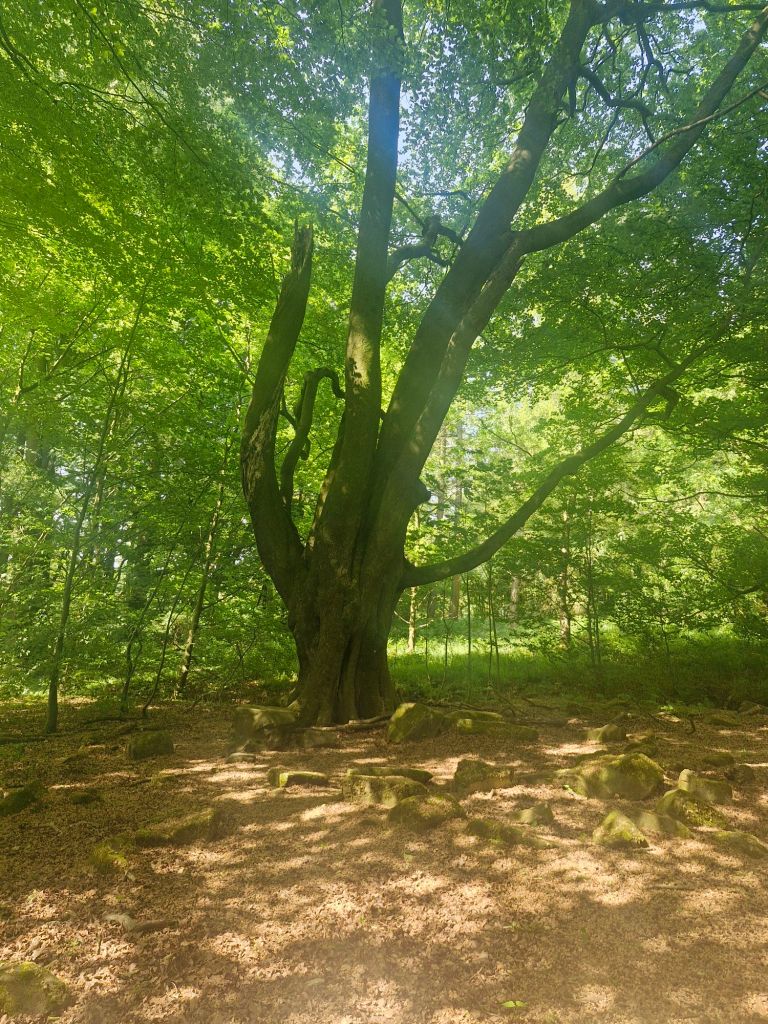
So many beautiful trees and these are hundreds and hundreds of years. In fact they are Medieval woods.
Parts of Stand Wood that lie along the steep hill behind Chatsworth have probably been wooded since at least medieval times. The trees now growing within the wood are, however, more recent; among the oldest, at the crest, are several mature beech trees from the 18th or early 19th century.
Senior’s plan of 1617 and Knyff’s drawing of 1699 suggest that much of the woodland directly upslope from the house had been removed sometime earlier, and extensive replanting seems to have taken place here from the 18th century onwards. The woodlands on the high shelf above the escarpment were mostly created in the decades either side of 1800.
The 17th century formal gardens around the house were divided from the deer park by a boundary wall, but this was removed in the mid-18th century when the landscape was transformed by Capability Brown and his foreman Michael Millican. A new boundary wall was built in the late 1830s, clearly separating the two areas again. Stand Wood was, however, still evidently seen as part of the pleasure grounds, as it was extensively ornamented by Joseph Paxton at this time
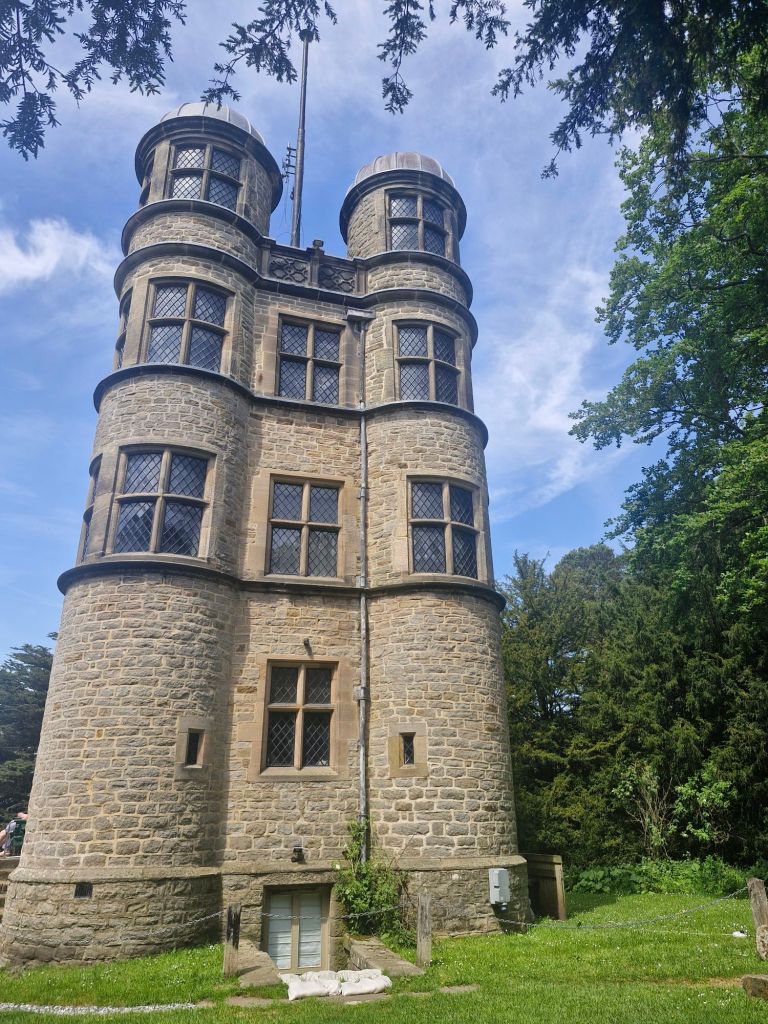
Designed by the famous Elizabethan architect Robert Smythson, the Hunting Tower was completed around 1582 for Bess of Hardwick.
The Hunting Tower is situated on the crest of the hill above Chatsworth House and is accessed via the footpaths and trails through Stand Wood; the views of the park are well worth the climb.
Originally, the Hunting Tower may have been a banqueting house or summerhouse and, as its name implies, it was also used by the ladies to watch the hounds working when hunting in the park below. Guests would have enjoyed the contrasting views to the west, with its ‘tamed’ landscape, including the house and formal gardens below and fields beyond.
Inside, a steep spiral staircase provides access to each of the four floors, with each room following the unusual exterior shape of the building.
The Aqueduct
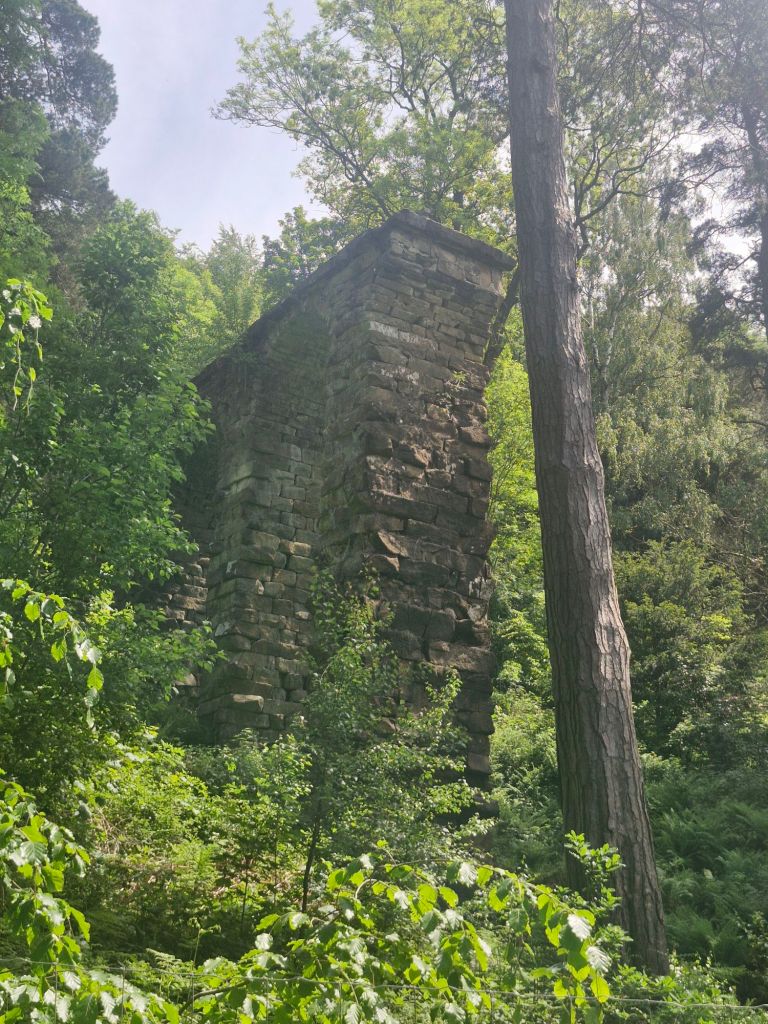
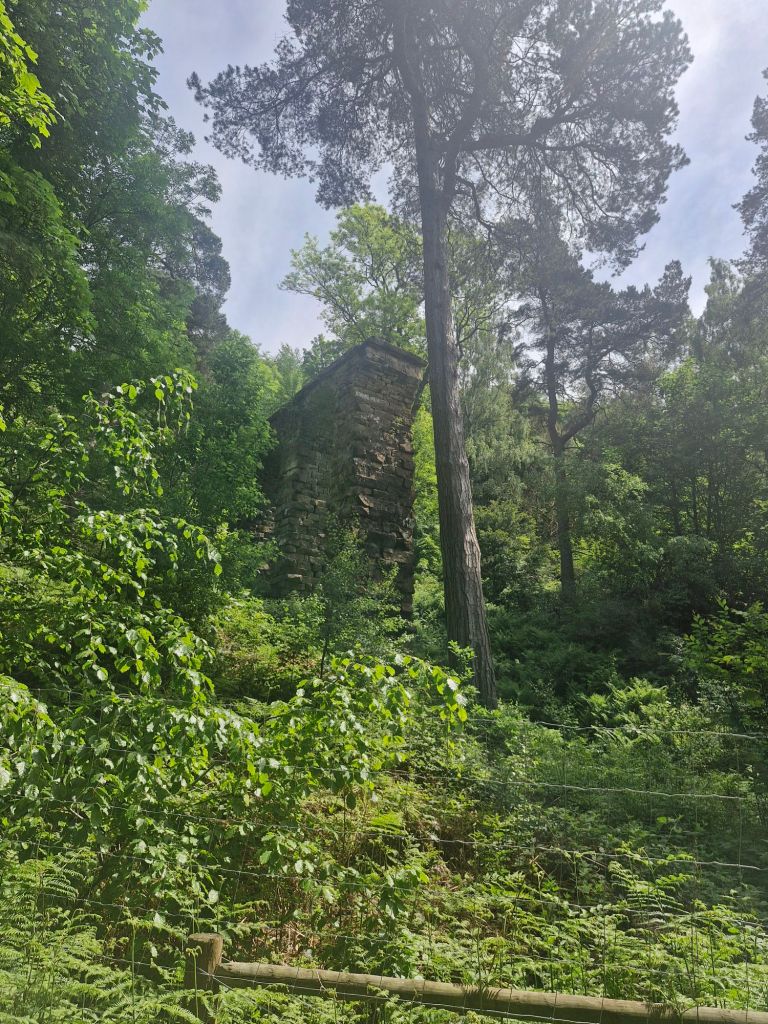
Below the summit of the steep hill stands the folly, known as The Aqueduct: four immense arches with a waterfall falling from the end. ( no water when we visited ) Immediately above there is a second, much smaller, waterfall falling over and amongst the boulders; that at the top of the hill is traditionally known as the Sowter Stone. (See further up for my photo of this) Both waterfalls are fed by the Ring Pond.
The upper falls once had a footbridge immediately below them, of which only an abutment and slots for timbers now survive. The bridge was part of a revetted path that followed a scenic route up through Stand Wood to The Stand itself, taking in the Aqueduct and Sowter Stone waterfalls, and featuring a stone staircase between cliffs linking an upper and lower route. All these features were again created as part of the beautification of the Stand Wood area carried out by Joseph Paxton in the late 1830s and early 1840s
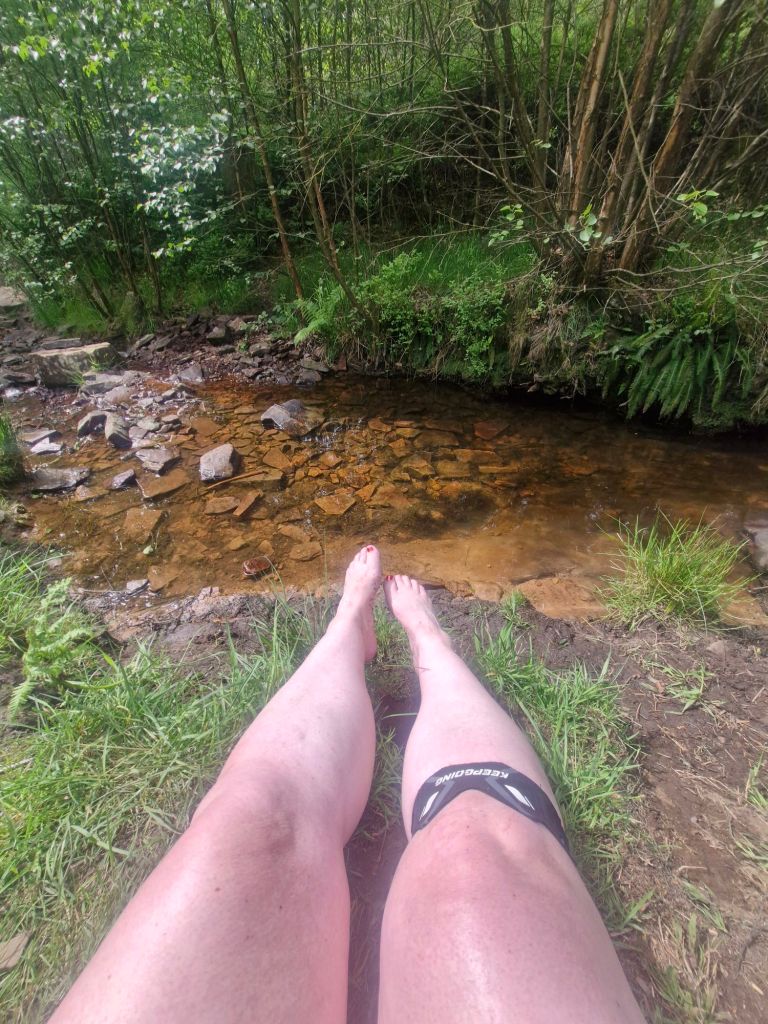
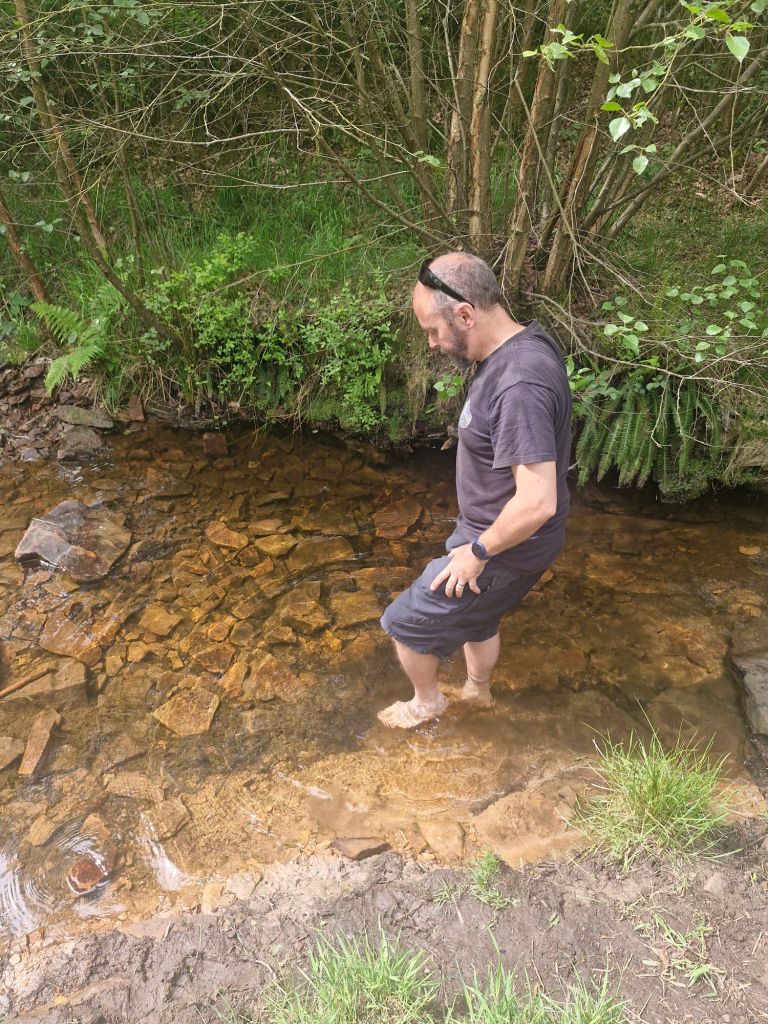
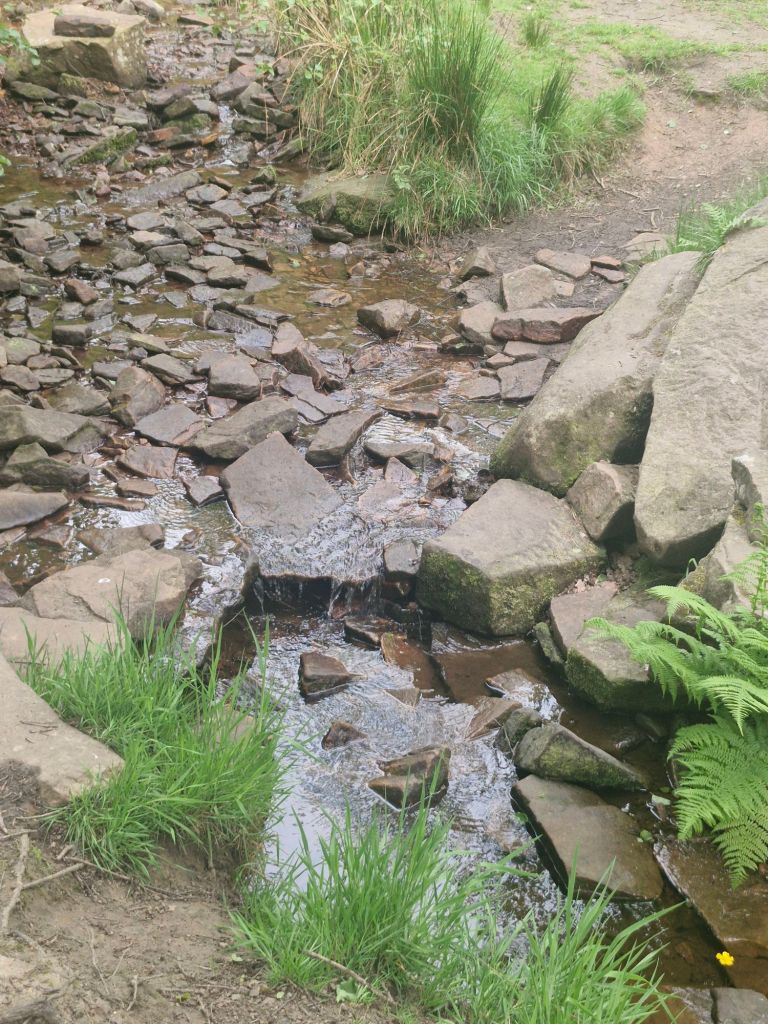
Hot and bothered, our feet humming. We decided to have a paddle in the river to revitalise our hot soles. It was sheer heaven.


Leave a Reply