Do you ever feel with physio the more you do the more you hurt things? The knee is making my other knee start to hurt now 😭
I’ve also been learning about the connection from my inner ankle pain to the knee pain.
Posterior Tibial Tendonitis with patellofemoral pain can they be connected? Posterior tibial tendonitis and patellofemoral pain syndrome (PFPS) are heavily linked through a biomechanical “chain reaction” where overpronation at the foot directly causes poor tracking of the kneecap. When your posterior tibial tendon inflames, it struggles to support your foot arch, leading to flat-footed rolling inward (overpronation). This inward collapse forces the shin and thigh bones to rotate inward, shifting the knee out of alignment and causing the kneecap to rub painfully against the thigh bone (patellofemoral tracking issue).
The Biomechanical Connection
The Foot Deficit: The tibialis posterior muscle fails to eccentrically slow down foot pronation. The Knee Consequence: Inward rotation of the leg alters the pull of the quadriceps, forcing the patella to track laterally and grind. The Solution: Build a “bottom-up” arch support system while implementing a “top-down” hip and knee stabilization routine.
With this in mind physio exercises are;
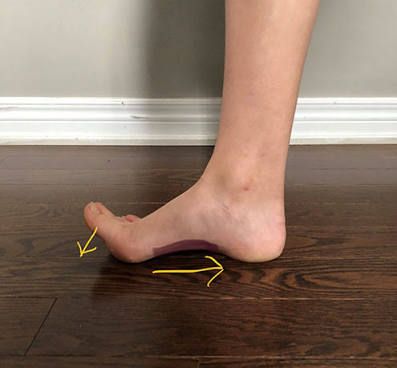
Short Foot Exercise – Intrinsic Foot Strength
Short foot intrinsic exercises act like a “core workout” for your feet, targeting the deep muscles that stabilize your arches and improve balance. The primary goal is to shorten the distance between your heel and the ball of your foot without curling your toes.
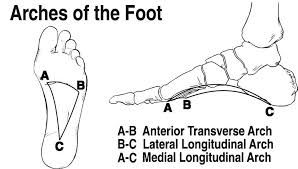
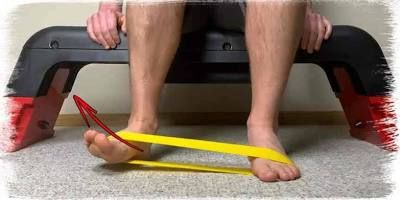
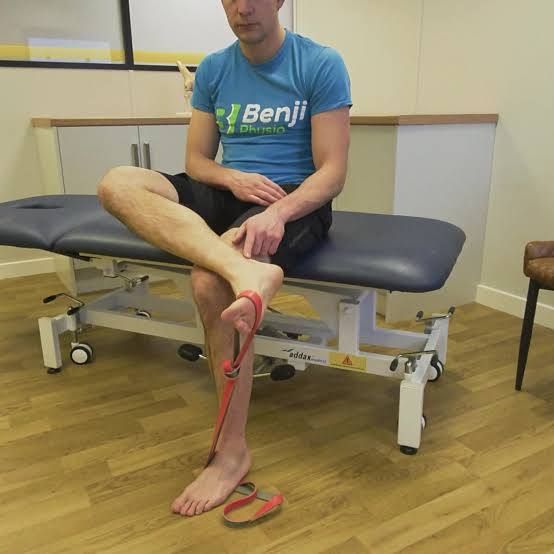
Seated Resisted Inversion – Posterior Tibial Isolation.
Seated resisted ankle inversion is an excellent exercise for strengthening the muscles and tendons that support your inner ankle and arch (such as the tibialis posterior). It is frequently used for plantar fasciitis pain, Achilles tendinopathy, and ankle sprain rehabilitation.
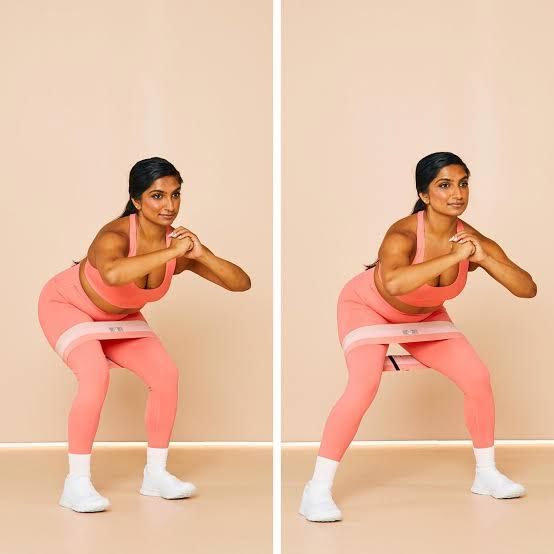
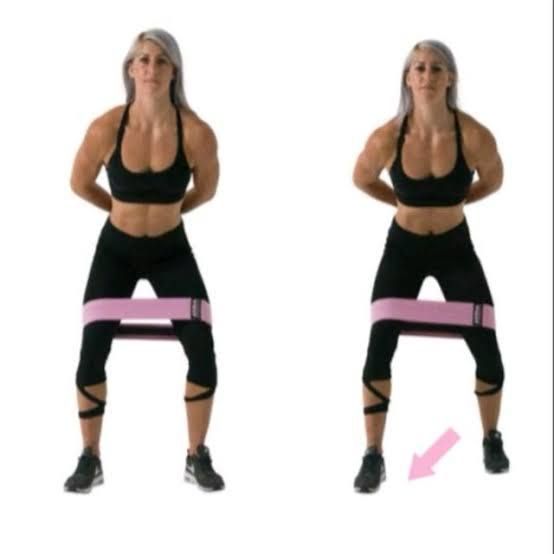
Banded Monster Walks – Hip Abduction and Extension.
The banded monster walk is an exceptional, weight-bearing exercise for lower-extremity rehabilitation and hip strength. By combining hip abduction (outward movement) and hip extension (backward movement) against resistance, it highly activates the gluteus medius and gluteus maximus, stabilizing your pelvis and preventing your knees from collapsing inward.
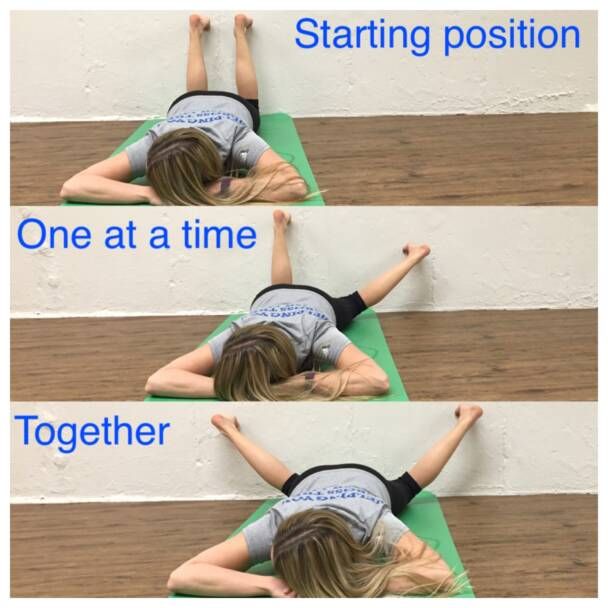
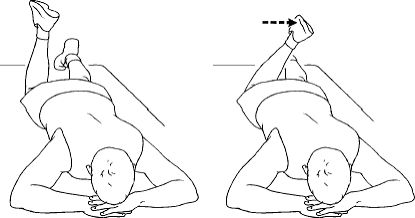
Hip Internal/ External Rotation – Prone Wipers.
Prone windshield wipers are a highly effective, low-load exercise used to improve hip internal and external rotation while loosening stiff hips and alleviating back stress. By forcing the movement to originate from the hip joint rather than your spine or pelvis, you safely isolate the joint’s true rotational range.
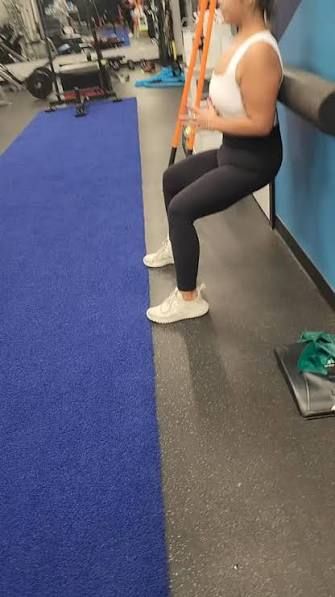
Wall Slide with Foam Roller – Quad and Hip Integration.
Combining a wall slide with a foam roller is a highly effective way to stabilize your shoulders while simultaneously dialing in your squat form, deeply engaging your quads, and improving hip mobility.
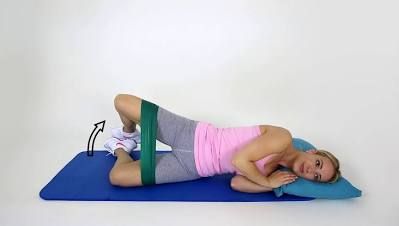
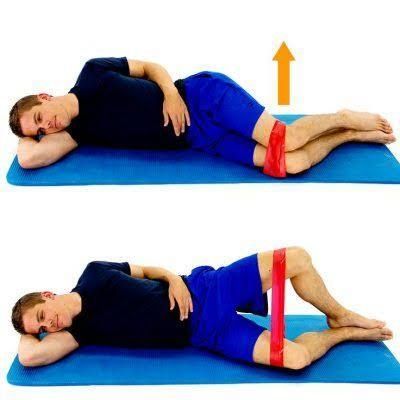
Side Lying Hip Banded Clamshells – Lateral Hip Stability.
Banded side-lying clamshells target the gluteus medius to improve lateral hip stability and pelvic control. To execute correctly, stack your hips vertically, place a band above your knees, and lift your top knee while keeping your feet together and avoiding backward pelvic rotation.
I’m starting low reps and sets as I’m having a lot of issues with squatting and front loading the knees. Seems the ankle knee and hip are all connected. And the damn clamshells are needed again 😭 (my most dreaded hated exercise)


 Hipster
Leave a comment