Out on a walk we haven’t done for a while (at least 18mths) we wanted to spot some wildlife if possible. As its a place we have visited quite a few times. To make it interesting I decided to see what wildlife and what plants we could see.
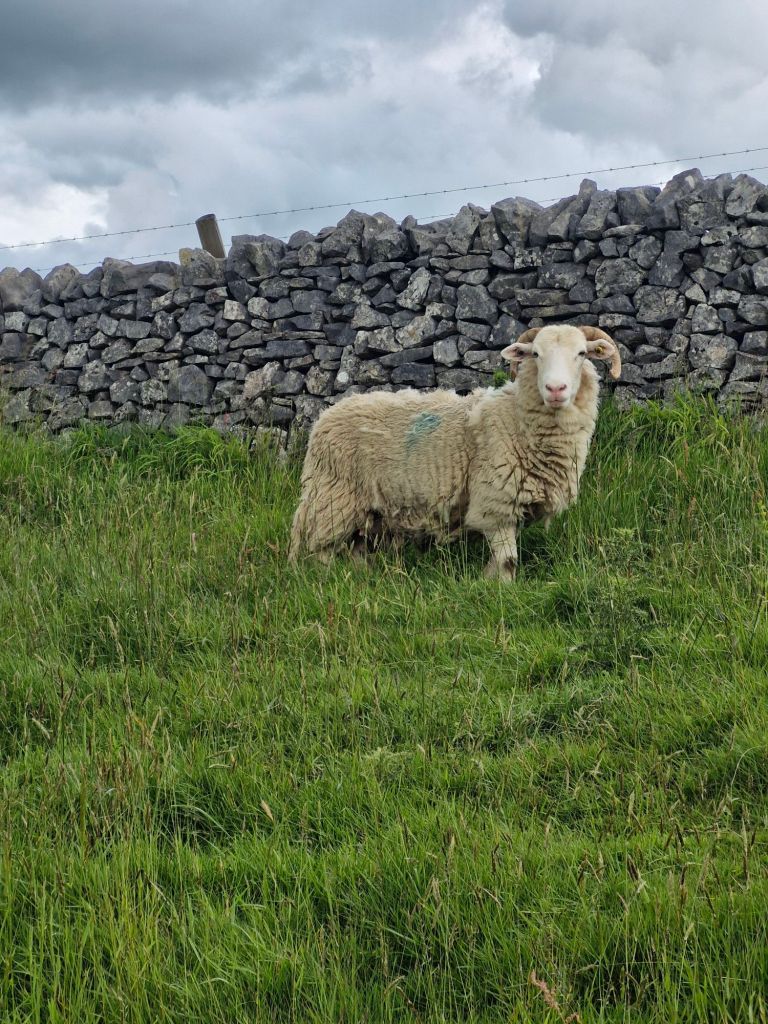
Mummy Sheep keeping an eye on us.
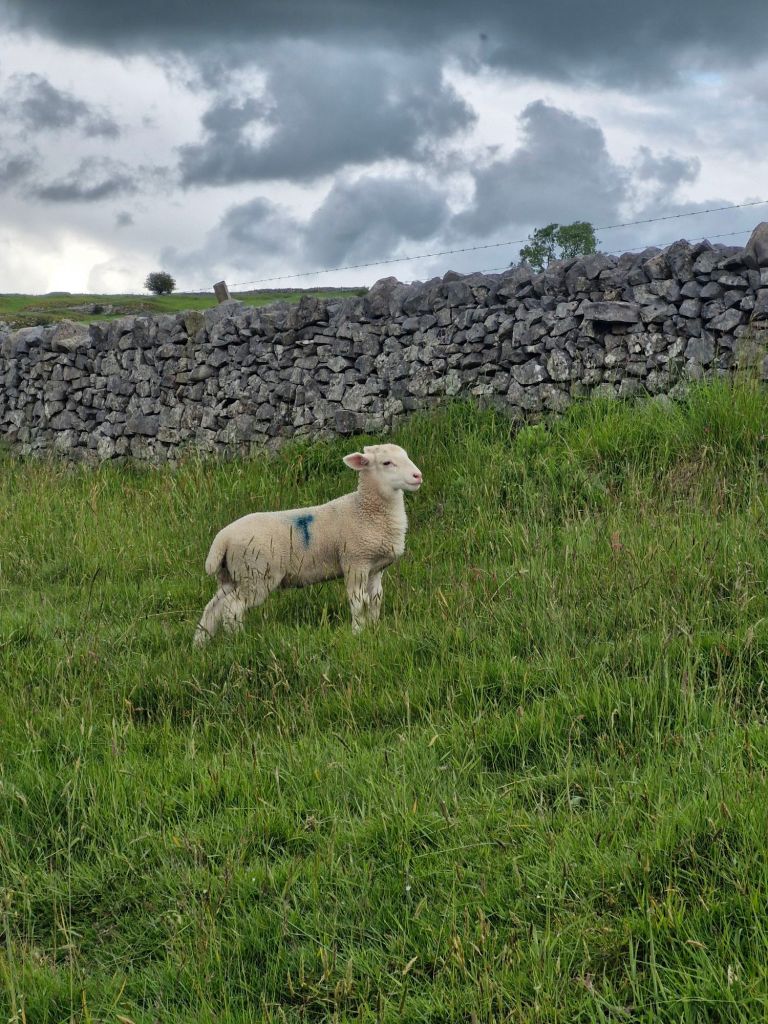
Lamb getting his mums pose right.
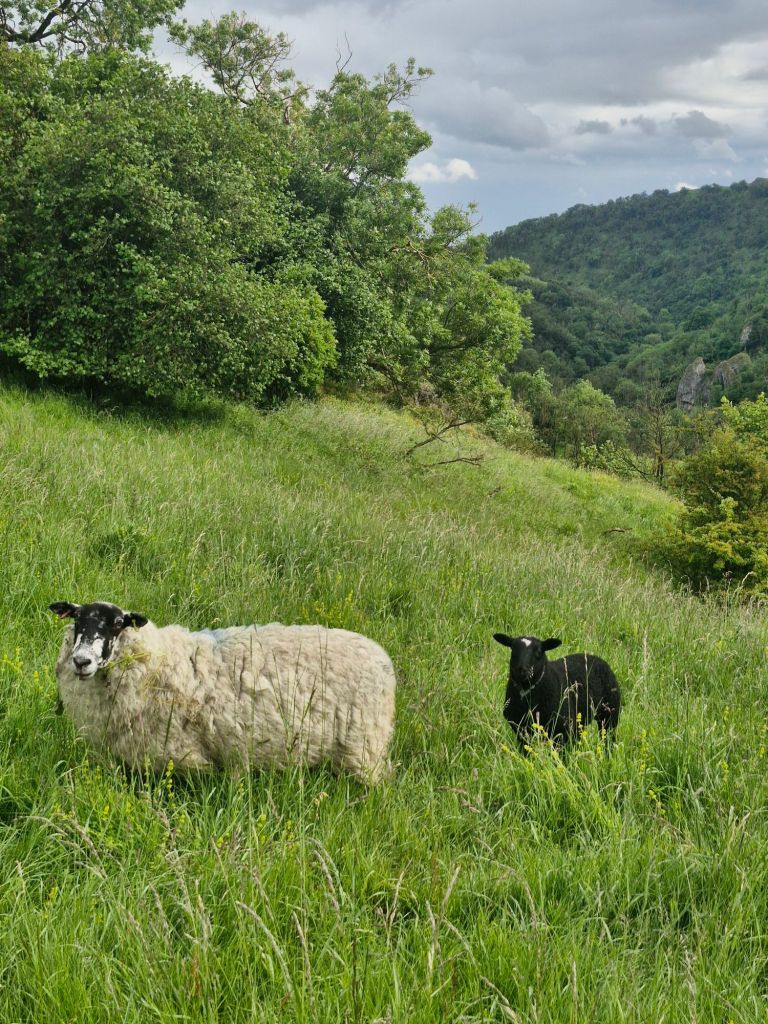
Classic sheep and lamb spotting which I always love. We spotted a Hare which was way too fast to photograph and a water vole too. So speedy they are.
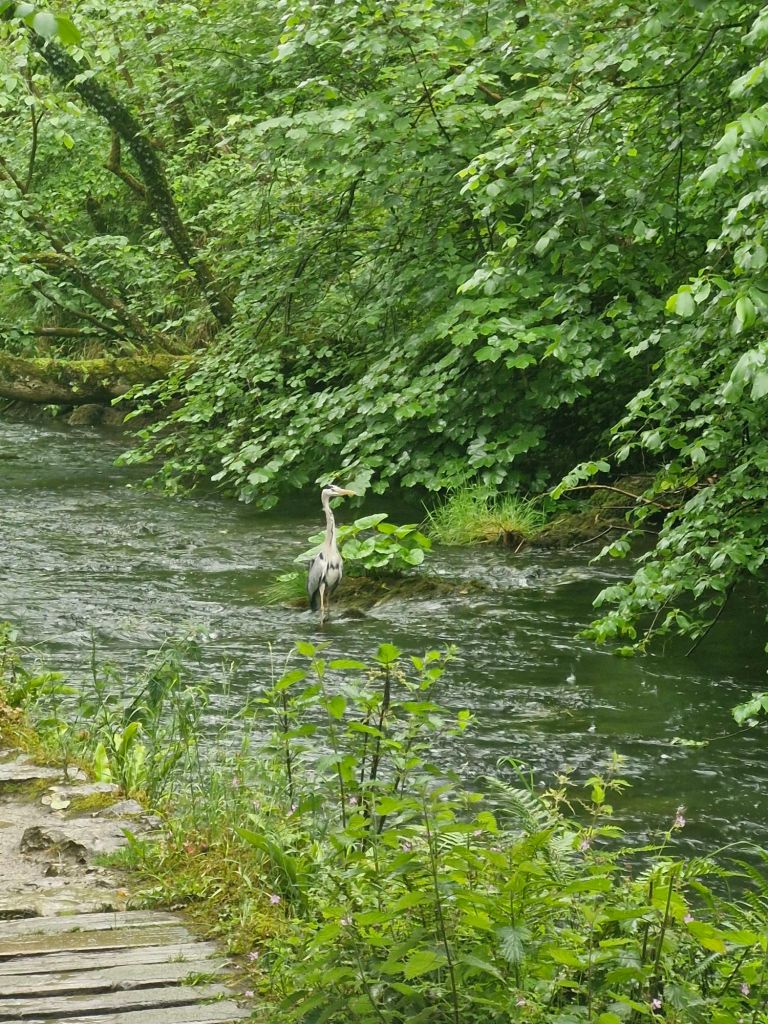
Loved having a Heron for most of our riverside walk. As we neared him he would fly off to further up the walk and we would be next to him again and so on for most of the river.
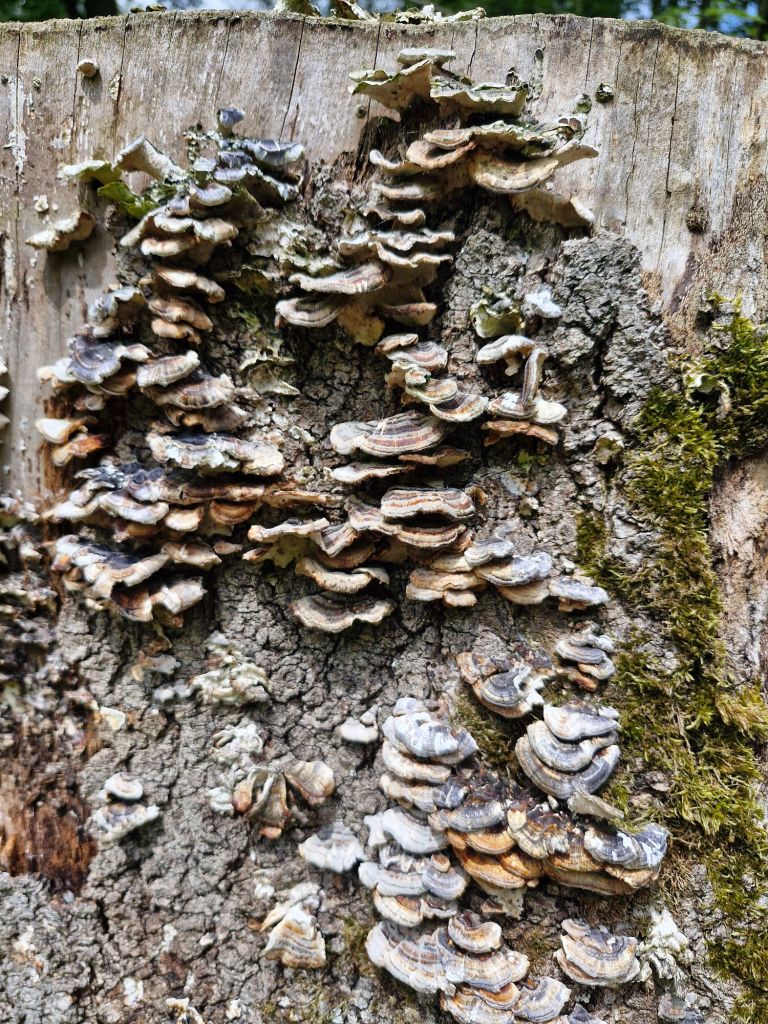
Found some fungi as well. Turkey Tail and Fairy Ink Caps. The turkeytail is a very colourful bracket fungus that grows throughout the year, but is at its best in the autumn. Its circular caps can be seen growing in tiers on trees and dead wood.
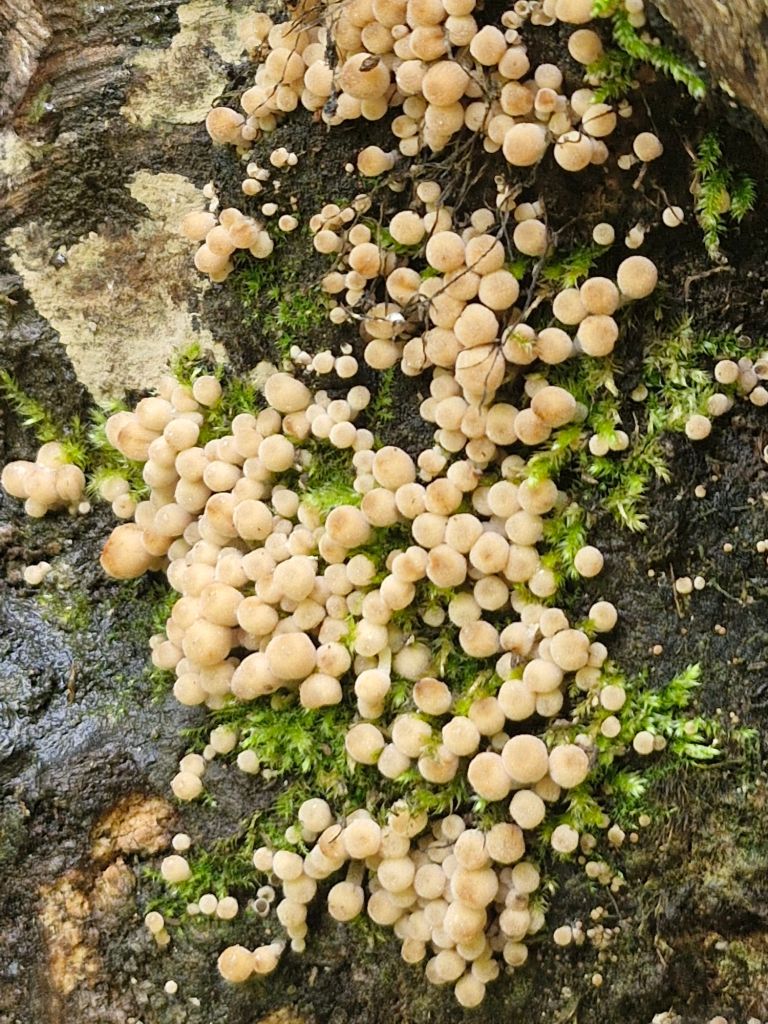
The Fairy Inkcap, Coprinellus disseminatus, rarely ventures forth alone or even with just a few friends; more often it forms dense masses swarming over rotting tree stumps and roots.
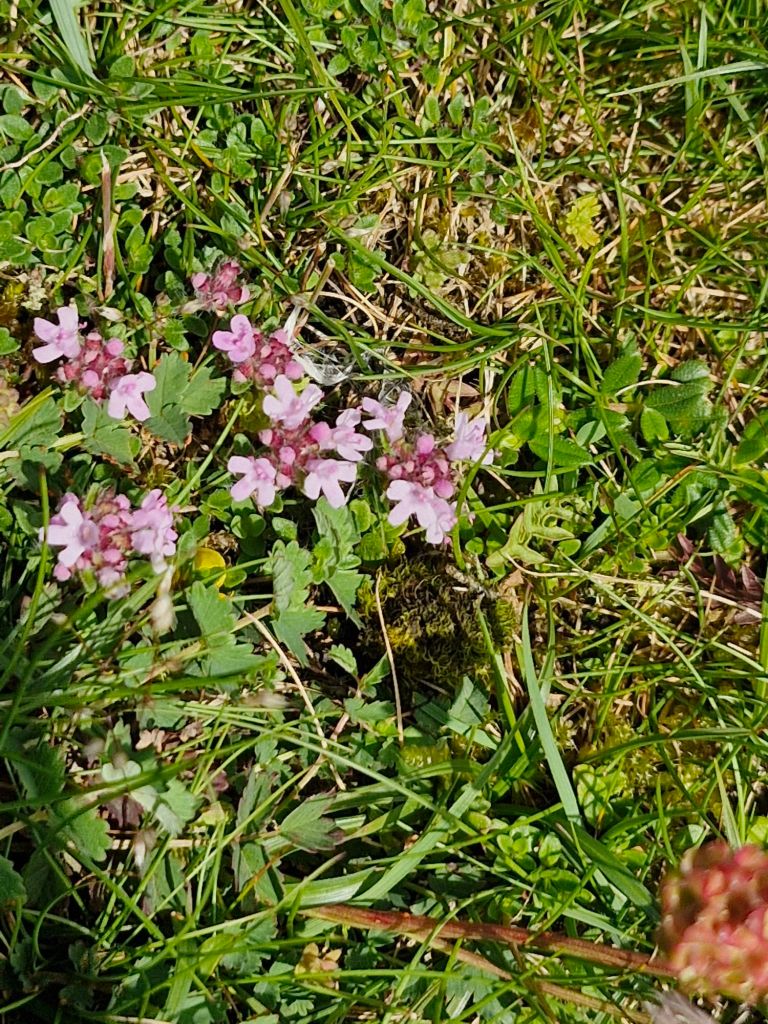
Some Mother of Thyme creeping along the stones and in the nooks and crannies of the open fields where the sheep and cows live. A common name is mother of thyme, but “creeping thyme” and “wild thyme” may be used where Thymus serpyllum, which also shares these names, is not found. This thyme has a strong scent similar to Oregano. It can be used in cuisine and herbal medicine for breathing problems, kidney and bladder problems and more.
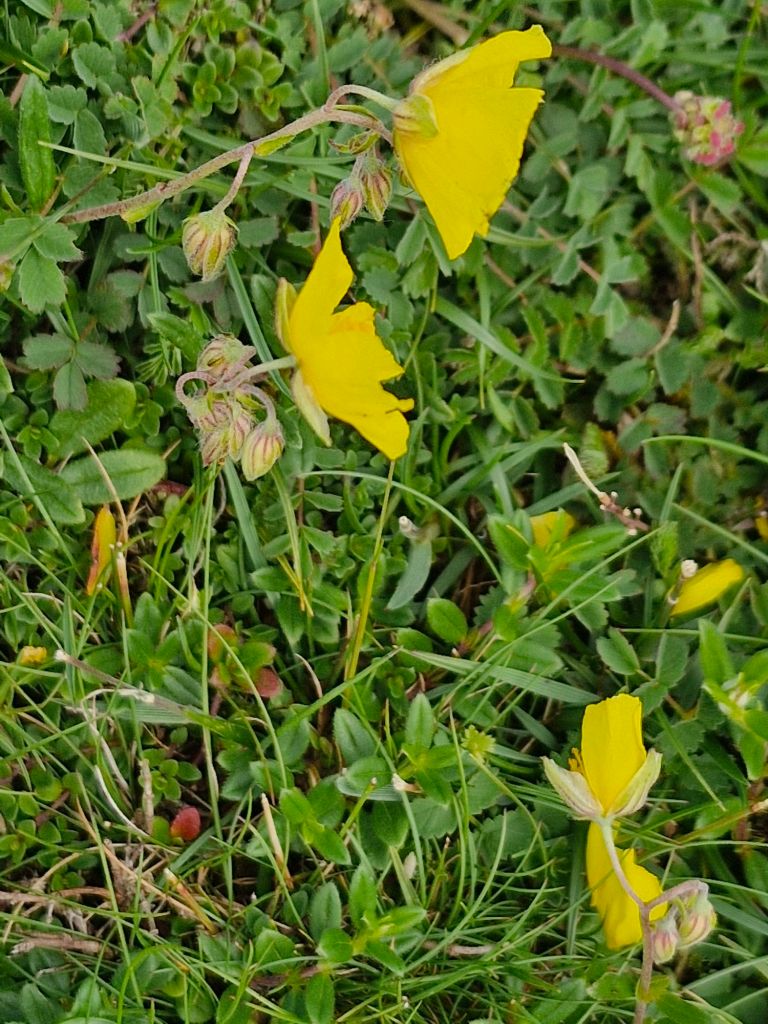
A Rock Rose which really brightens up the fields. Looks like pure sunshine when the sunlight hits it. Golden banks of common rock-rose make a spectacular sight on the chalk and limestone grasslands in summer. A creeping shrub, it is good for bees, moths and butterflies.
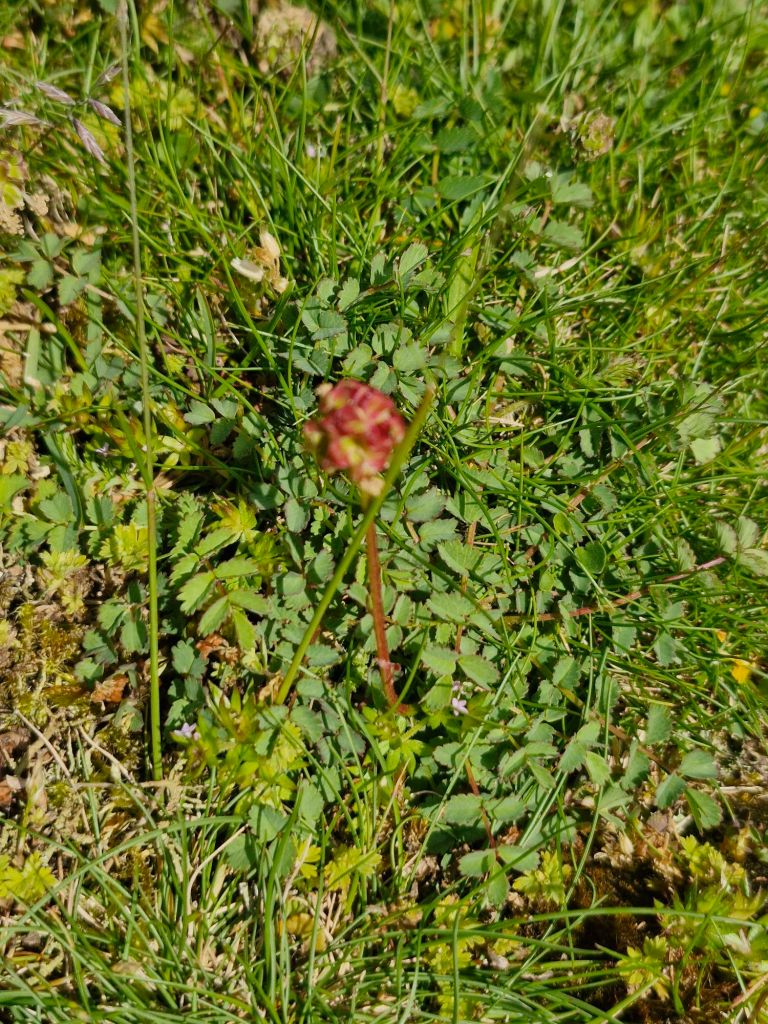
Salad burnet (Sanguisorba minor) is a hardy perennial herb from the rose family, native to Europe, western Asia, and northern Africa. Famous for its mild, refreshing cucumber flavor and aroma when crushed, its young leaves are a popular, versatile addition to fresh salads, summer drinks, and dips.
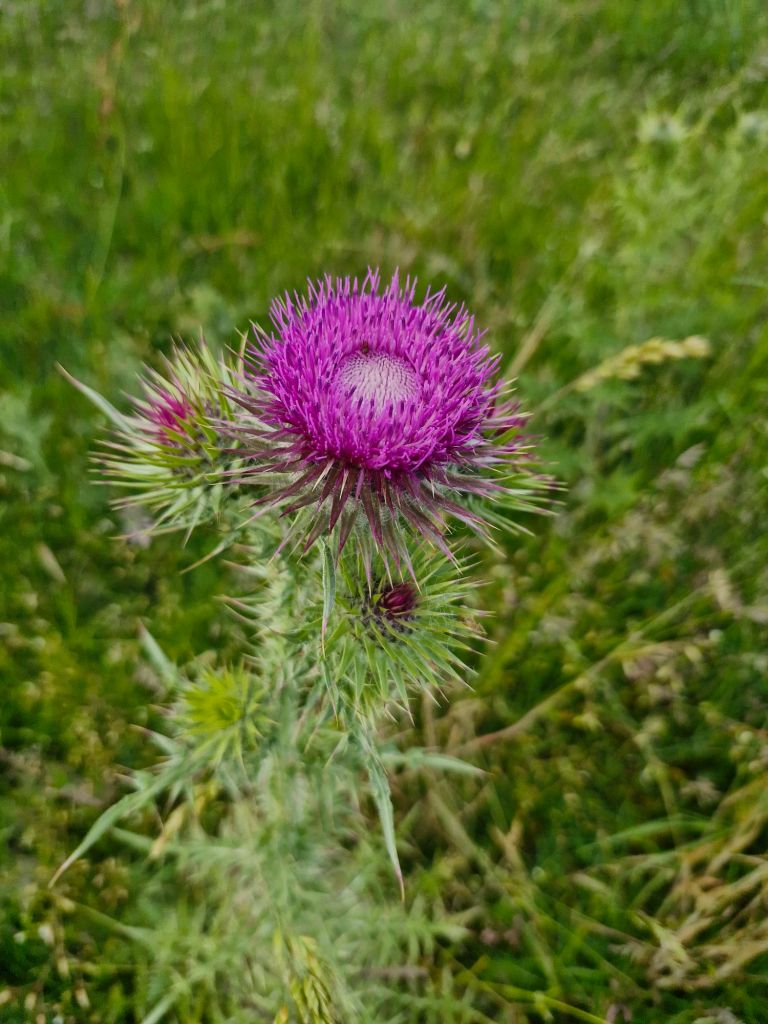
Nodding Thistle or Musk Thistle. A common thistle of roadside verges, rough grassland and waste ground, the Musk thistle has large, purple, nodding flower heads that appear in summer. It is attractive to a wide range of insects.
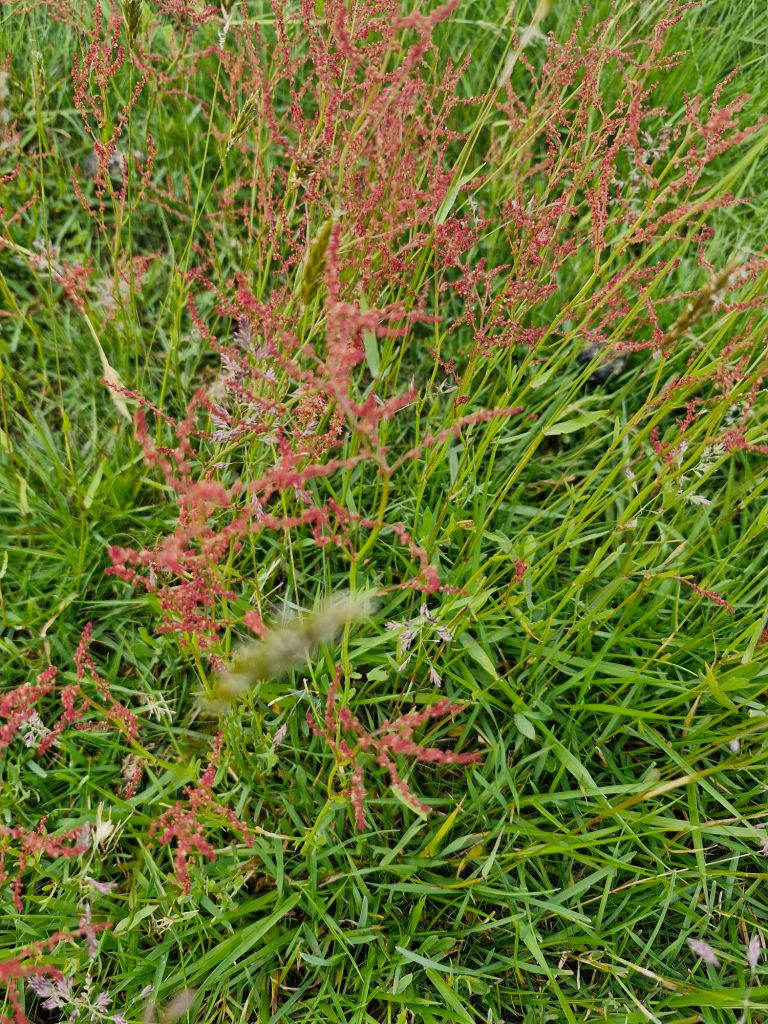
Common sorrel , Garden Sorrel is a common plant of grasslands, woodland edges, roadside verges and gardens. It is also known as ‘sour ducks’ because its leaves taste tart.
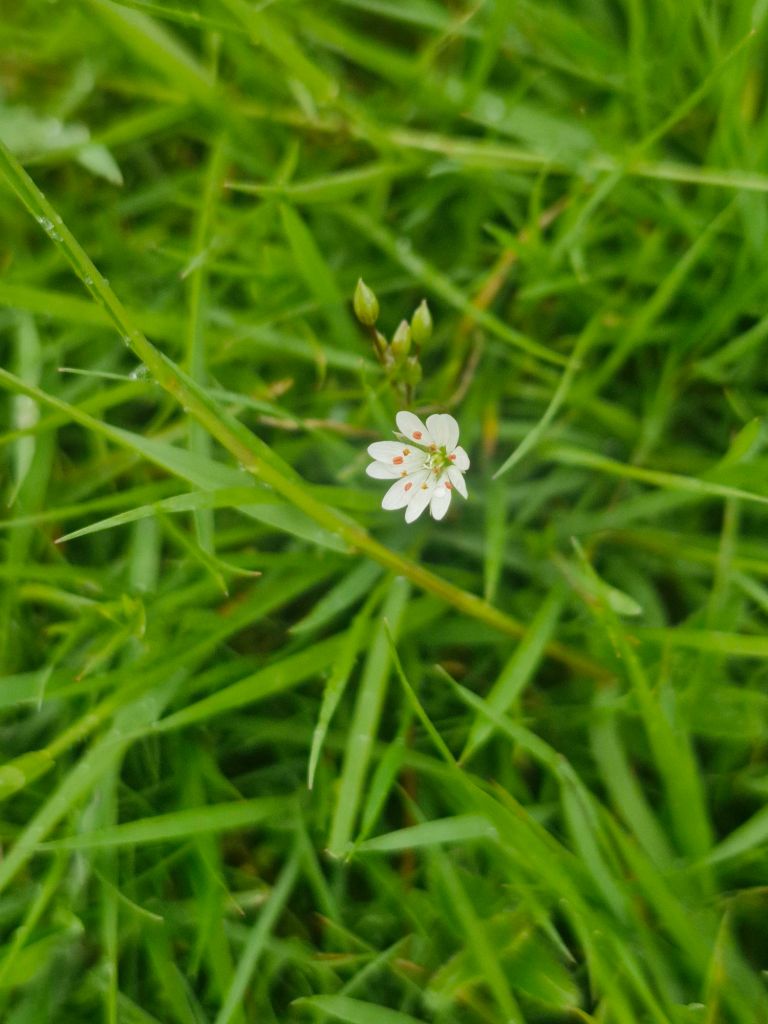
This is known by the common names common starwort, grass-leaved stitchwort, lesser stitchwort and grass-like starwort. It grows in many types of habitat, including lawns, meadow habitats, and roadsides.
The smooth stem is grass-like with pretty, star-shaped, white flowers on the tips
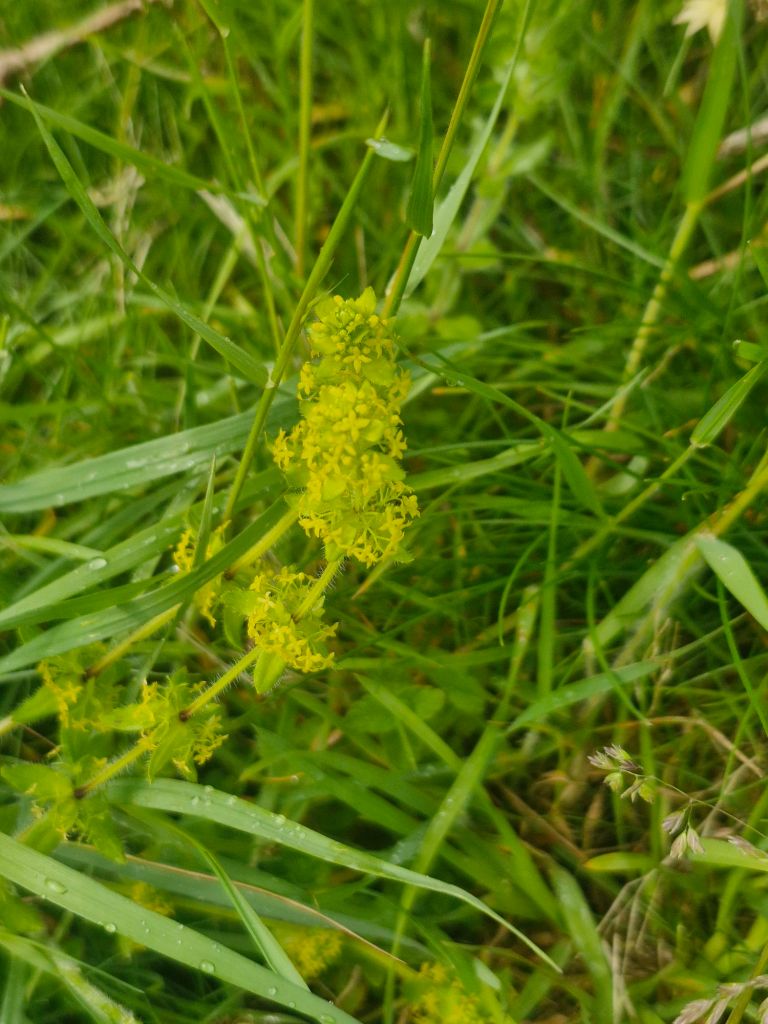
Crosswort is a sprawling, perennial plant, also called Smooth Bedstraw, or Luc Na Croise in Gaelic, with a creeping habit. It can be found on the margins of woodland, in hedgerows and along roadside verges. Although tiny, the yellow flowers it produces smell beautifully of honey. It’s stacked, small leaves are arranged in a ‘X’ formation, which is where it gets it’s common name. These whorls of leaves and flowers grow more numerous towards the top of the stems, giving them a stacked appearance. It is little used in herbal medicine today, but it was once recommended as a remedy for rupture, rheumatism and dropsy, and it’s edible leaves and flowers may be used in herbal teas, added to salads or cooked like spinach.


 Hipster
Leave a comment