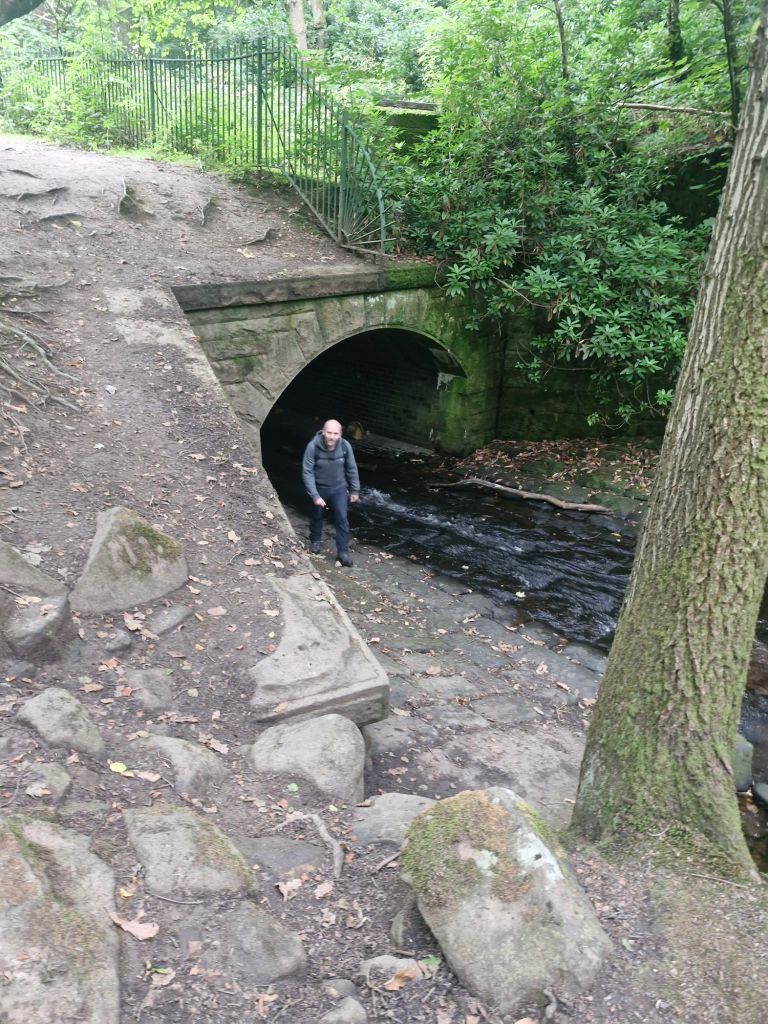
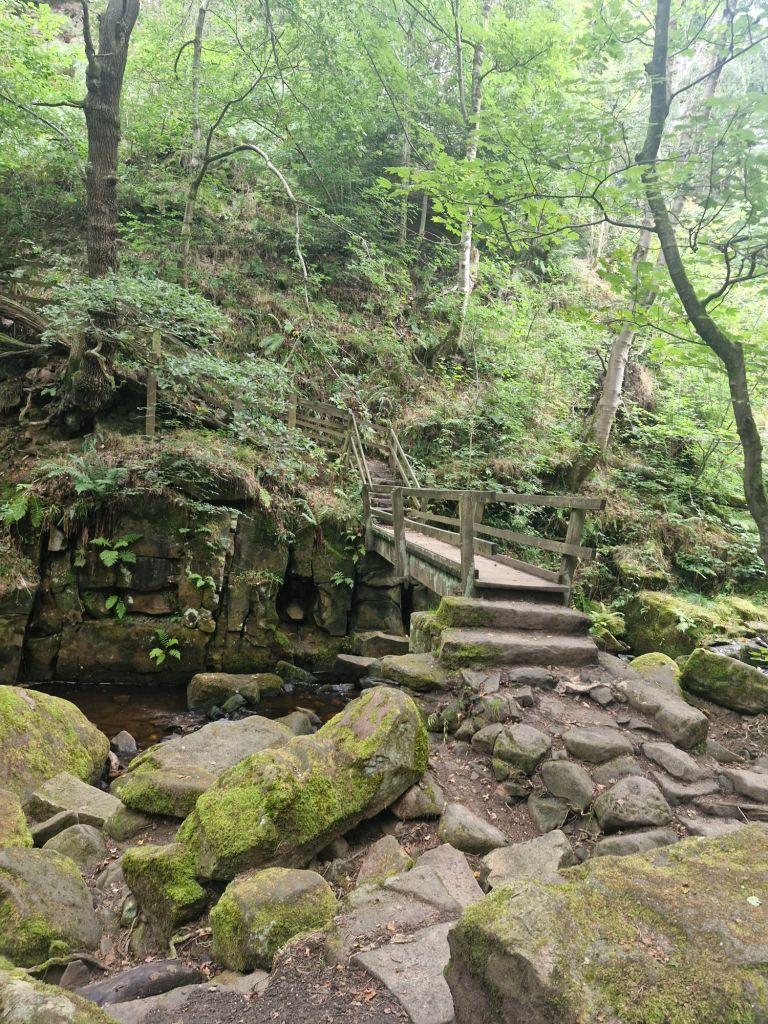
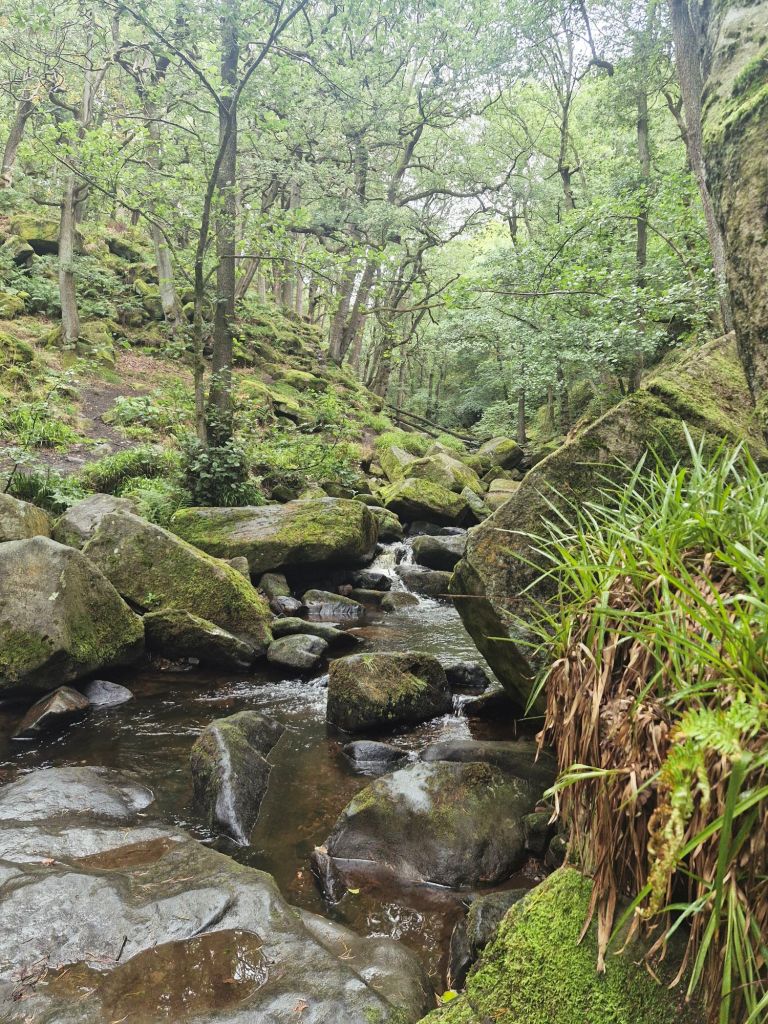
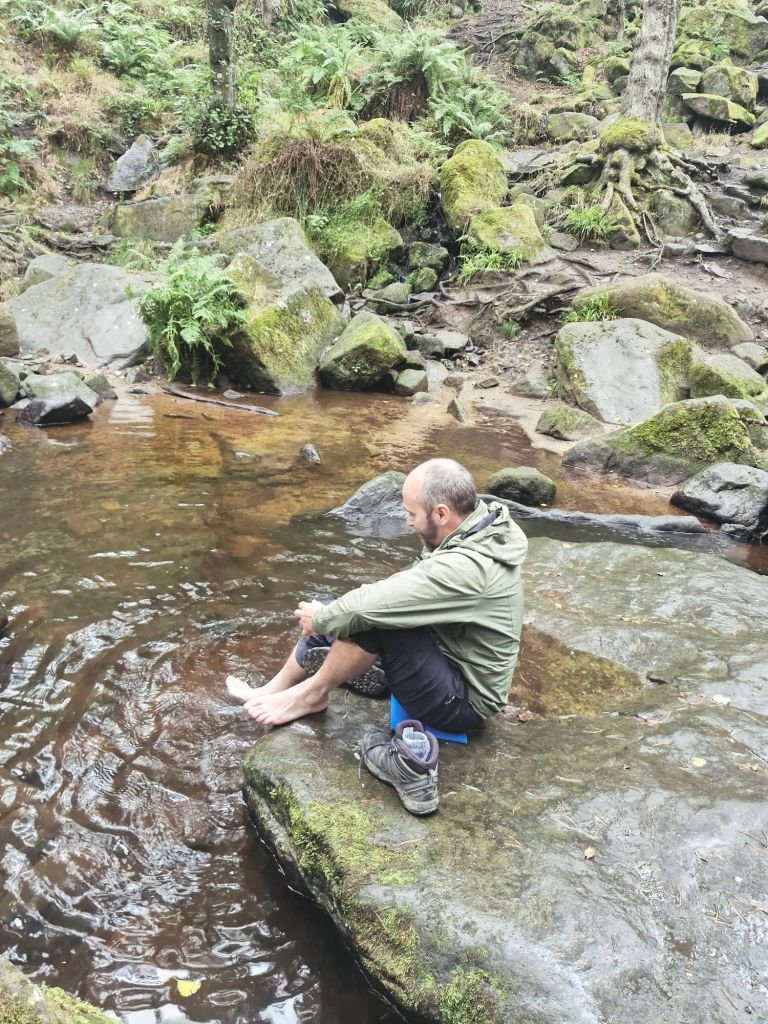
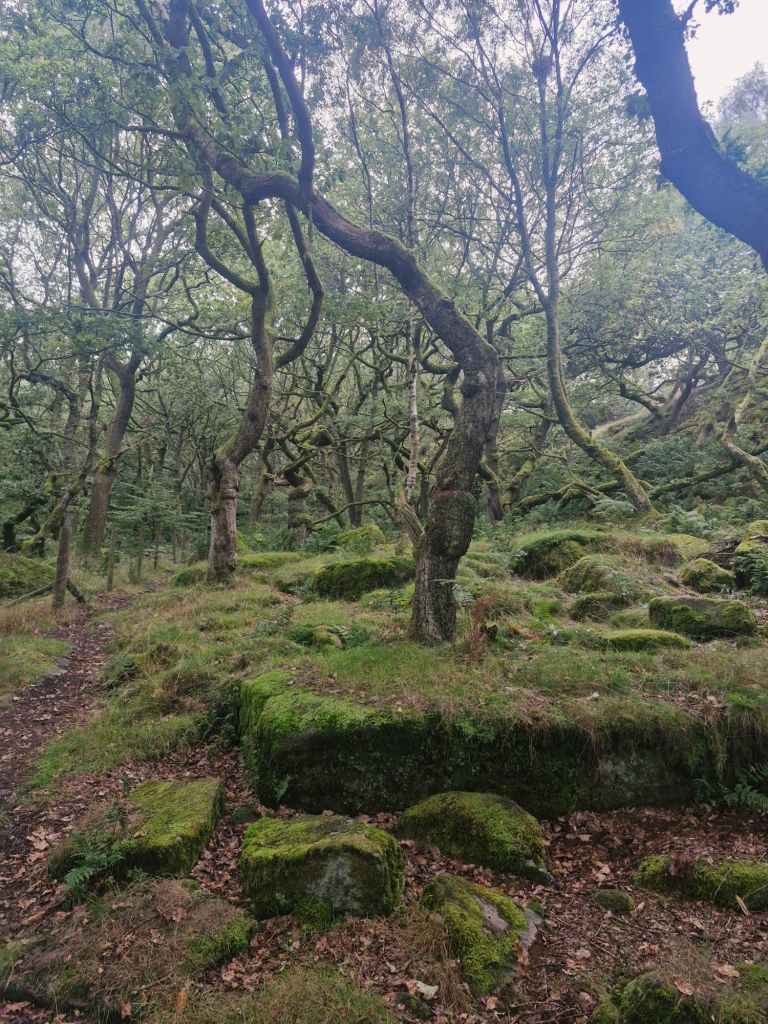
After a long hiatus we got to visit one of my favourites, Padley Gorge. A place that feels calm and peaceful in places, and eery and creepy in others. Its wild how the energies change.
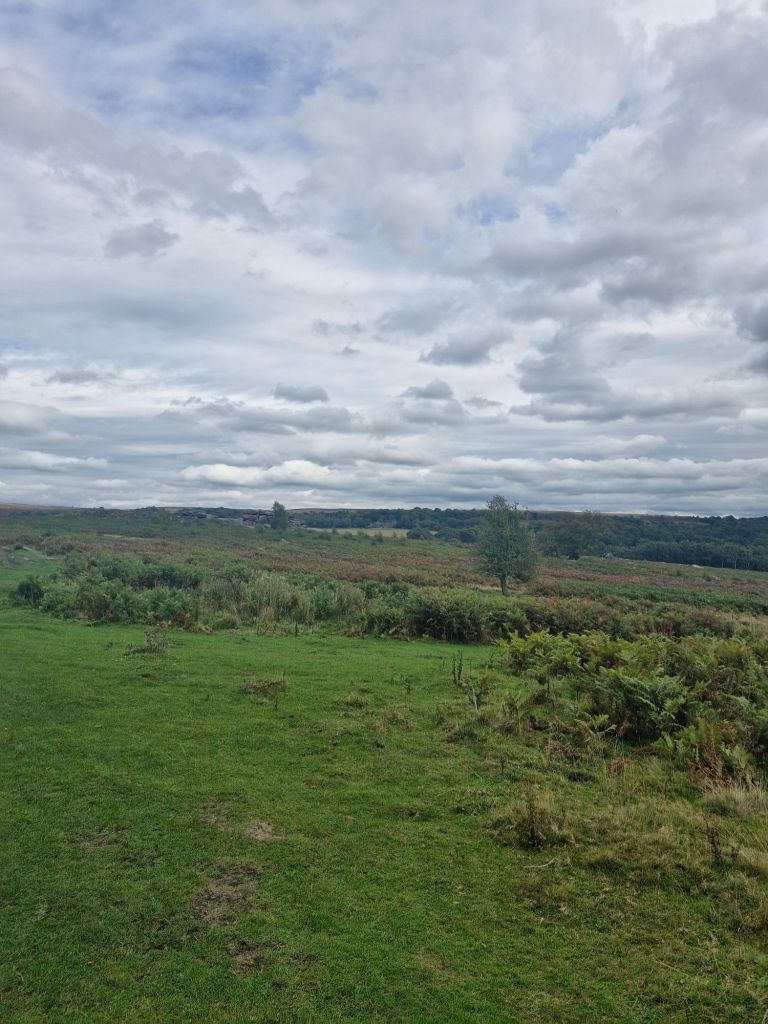
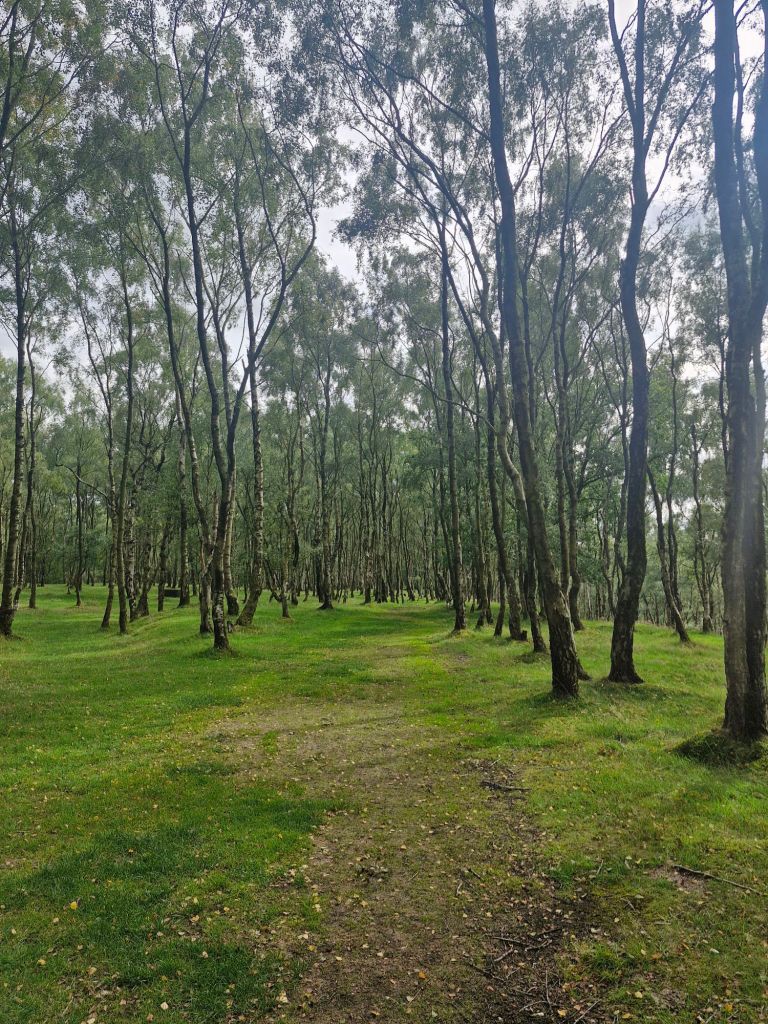
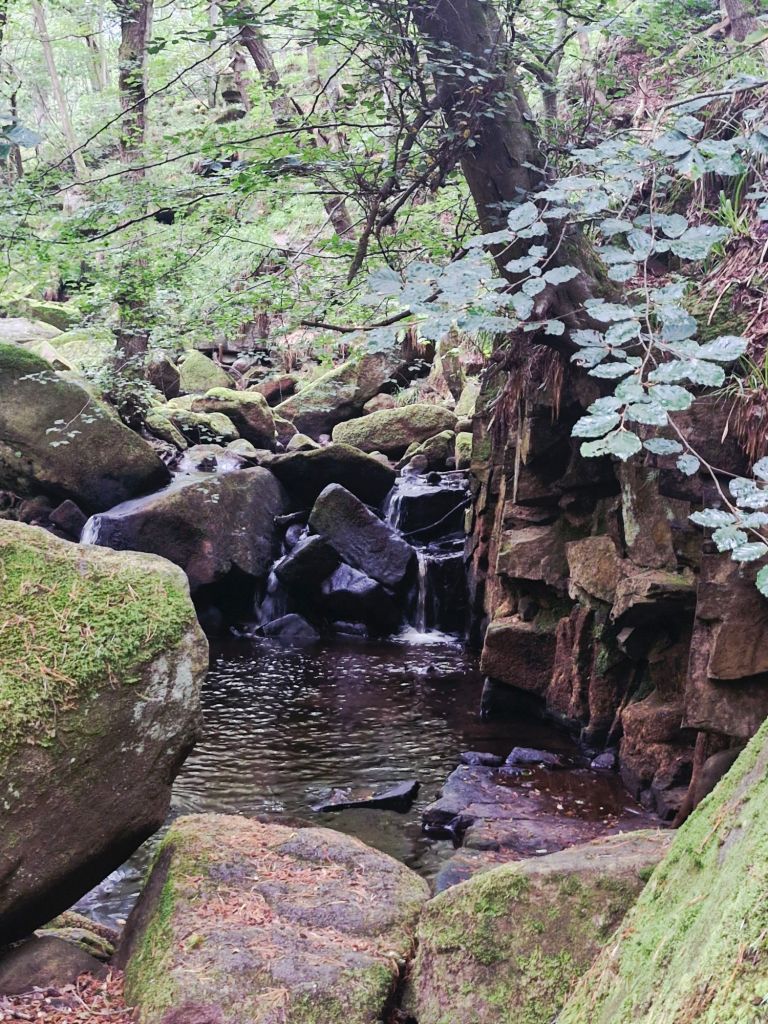
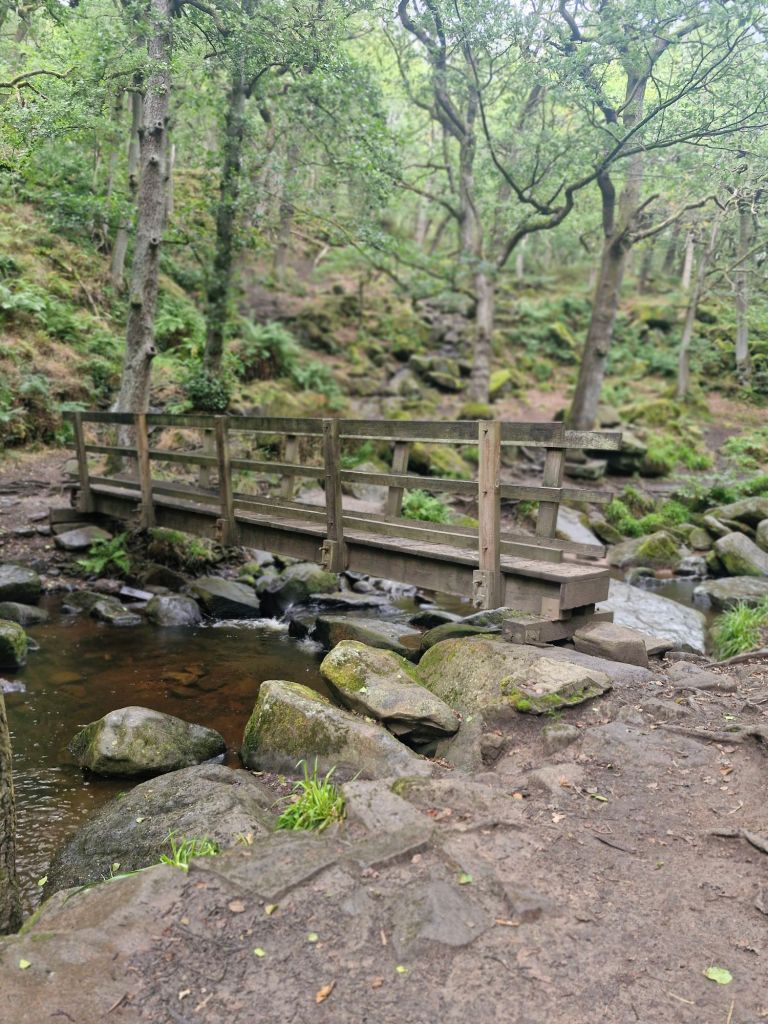
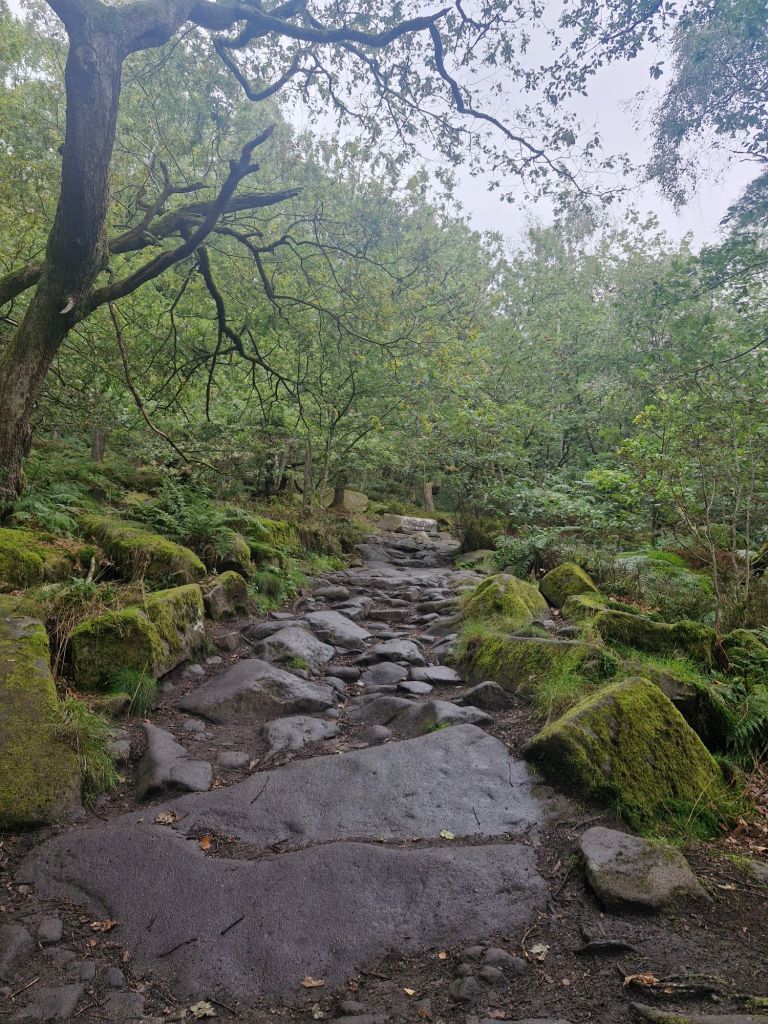
While it’s not in its usual fiery leaf stage when we went, it’s no less beautiful in its various vibrant greens of Summer.
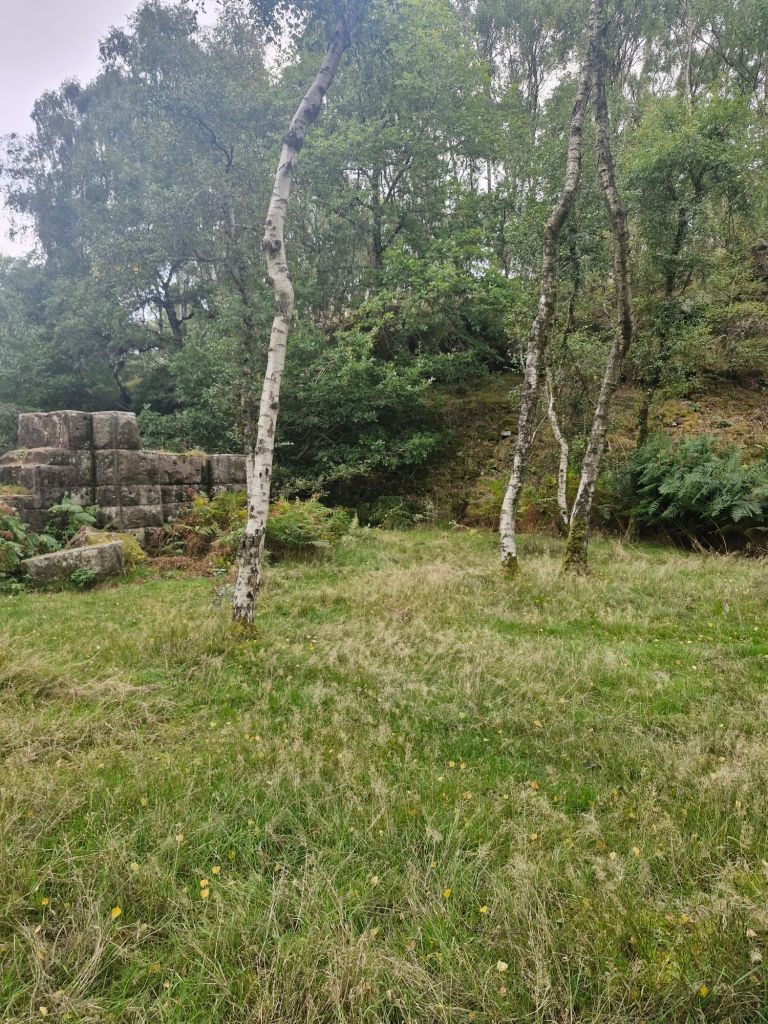
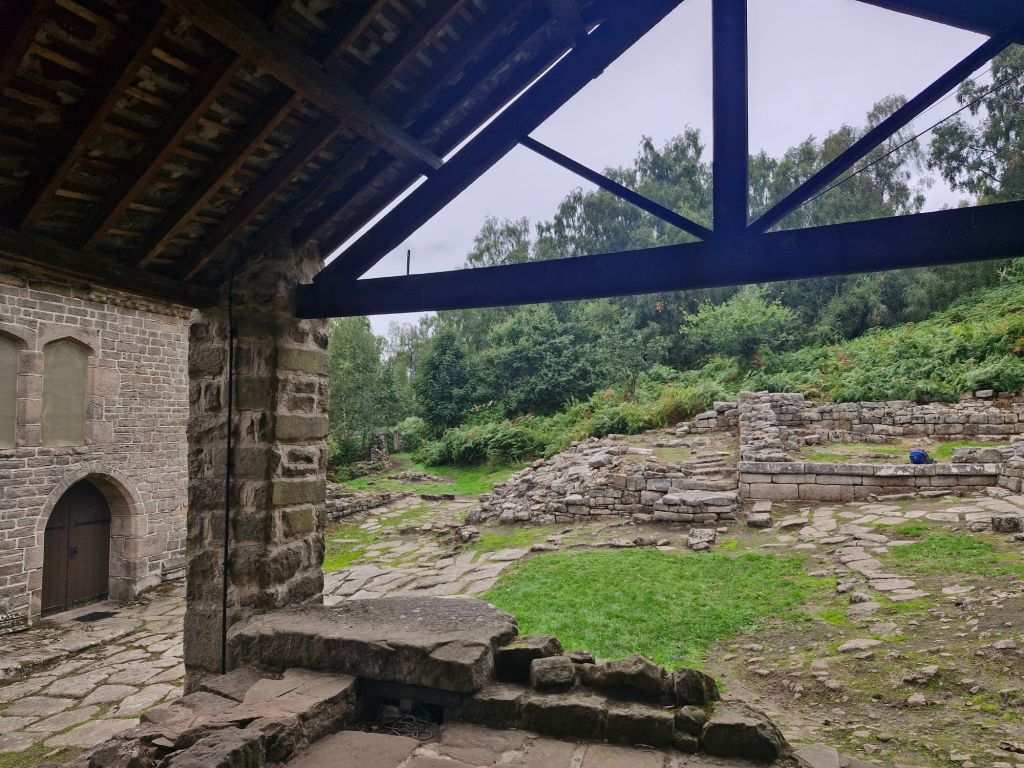
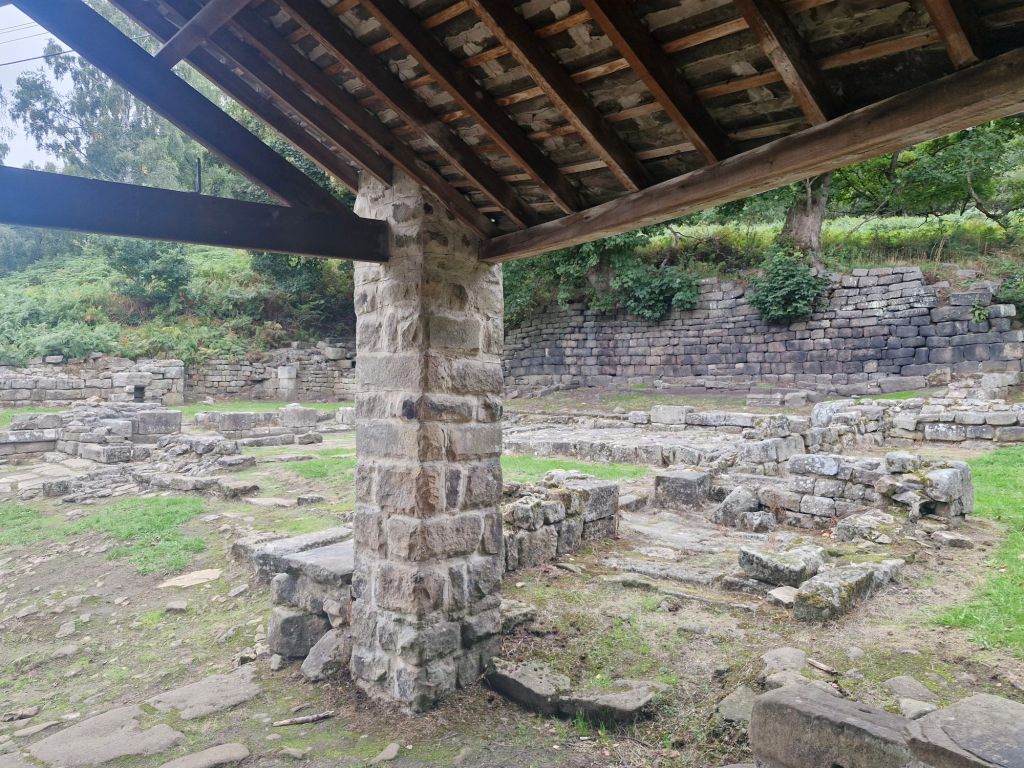
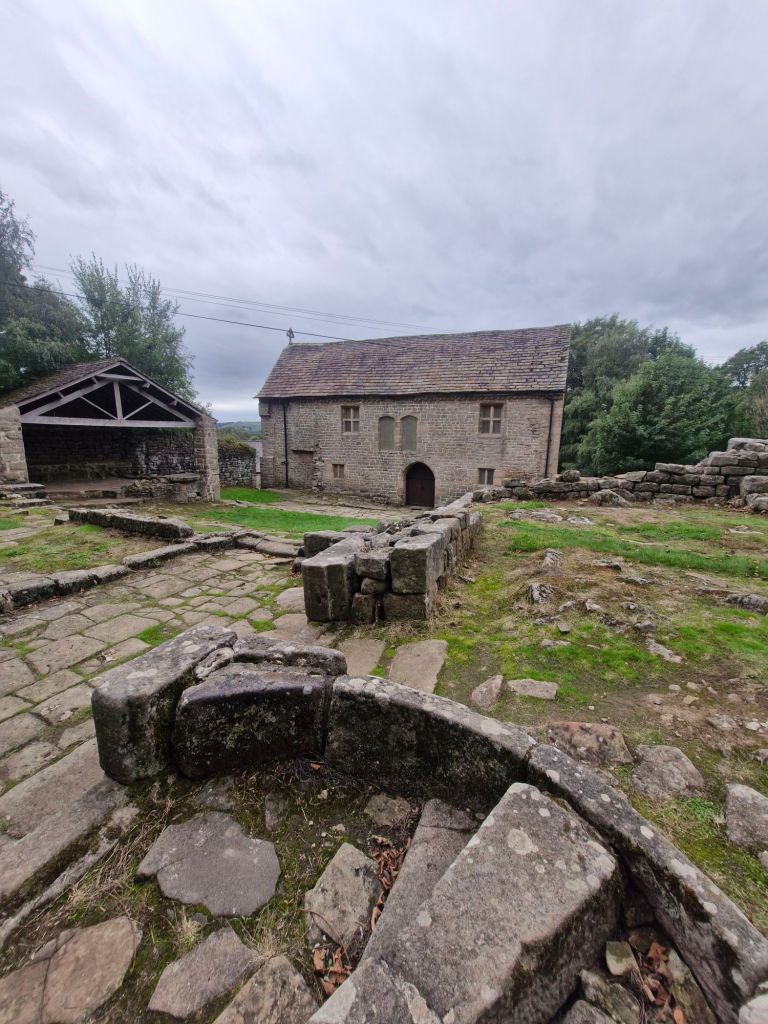
You can see where their spiral staircase was, where the pews and altar would have been too.
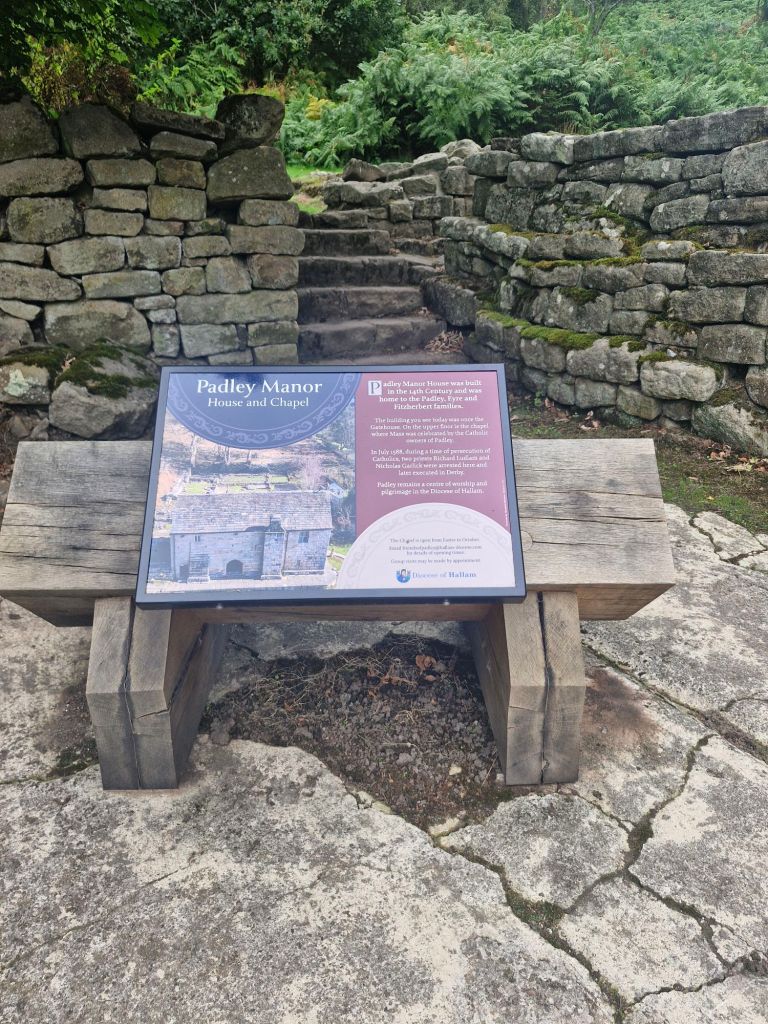
The story of Padley is written in its stones. An altar stone hidden for three and a half centuries, the hearth stones, steps and foundations of a fine medieval manor – these are the building blocks of Padley’s tale. Together they rise into a tragic story of persecution, betrayal, martyrdom and the fall of a wealthy recusant family and of Padley’s rebirth as a centre of worship and pilgrimage.
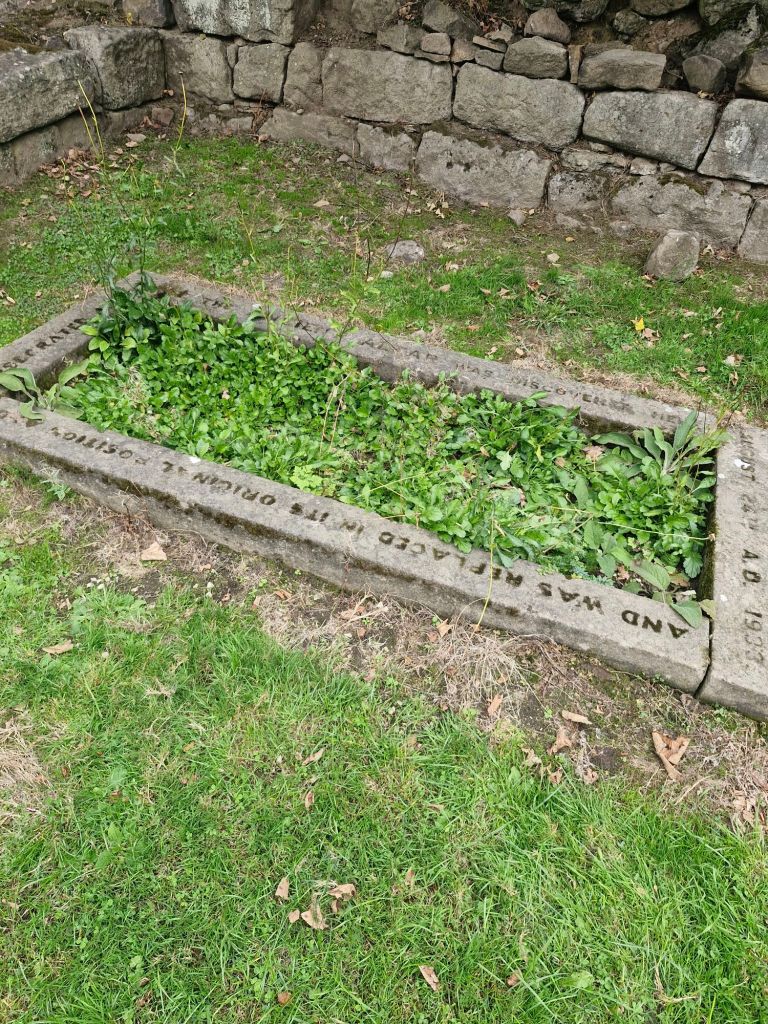
The year of 1588 was a dark one for Catholicism in England. It was High Treason for any priest ordained abroad to be in the Kingdom, and anyone harbouring such priests was liable to be put to death.
As fears of a Spanish Catholic invasion grew, persecution of recusants (people who refused to recognise the Queen’s supreme religious authority in England) was increasing. In the early morning of 12 July 1588, Padley Manor, the residence of the recusant John Fitzherbert was raided. Two travelling priests – Nicholas Garlick and Robert Ludlam – were staying overnight. The priests and everyone else in the Hall were arrested. Garlick and Ludlam along with another priest Richard Simpson, were brutally executed in Derby a fortnight later.
An annual Pilgrimage to Padley in honour of the martyrs began in 1898 – see Pilgrimages tab. In 1931 Mgr. Charles Payne of the Diocese of Nottingham bought the property and restored the building which , due to boundary changes, is now owned by the Diocese of Hallam. In 1934 the altar stone, which had been hidden by the Fitzherbert family shortly before their arrest was discovered buried in the garden. It was restored to its rightful place ( see photo above ) in what would have been the domestic chapel of the house and to its rightful place in a story of constancy and of those who bravely kept the light of their faith burning through the dark centuries.
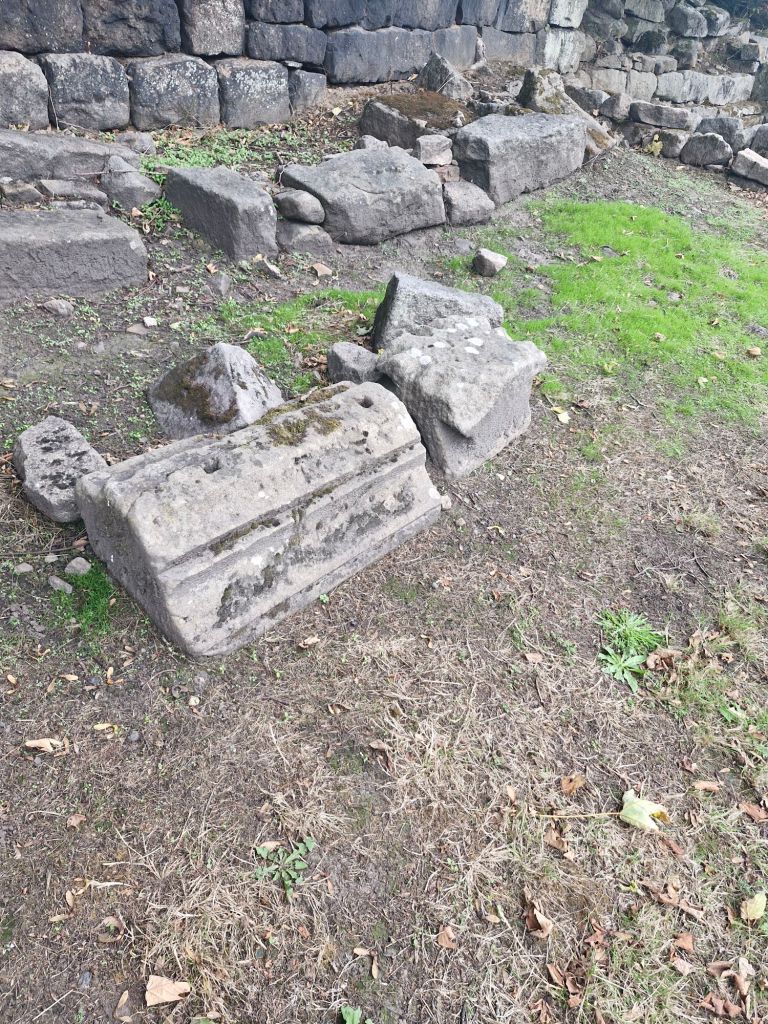
Time to leave the history and ruins behind and carry on with this spectacular area.
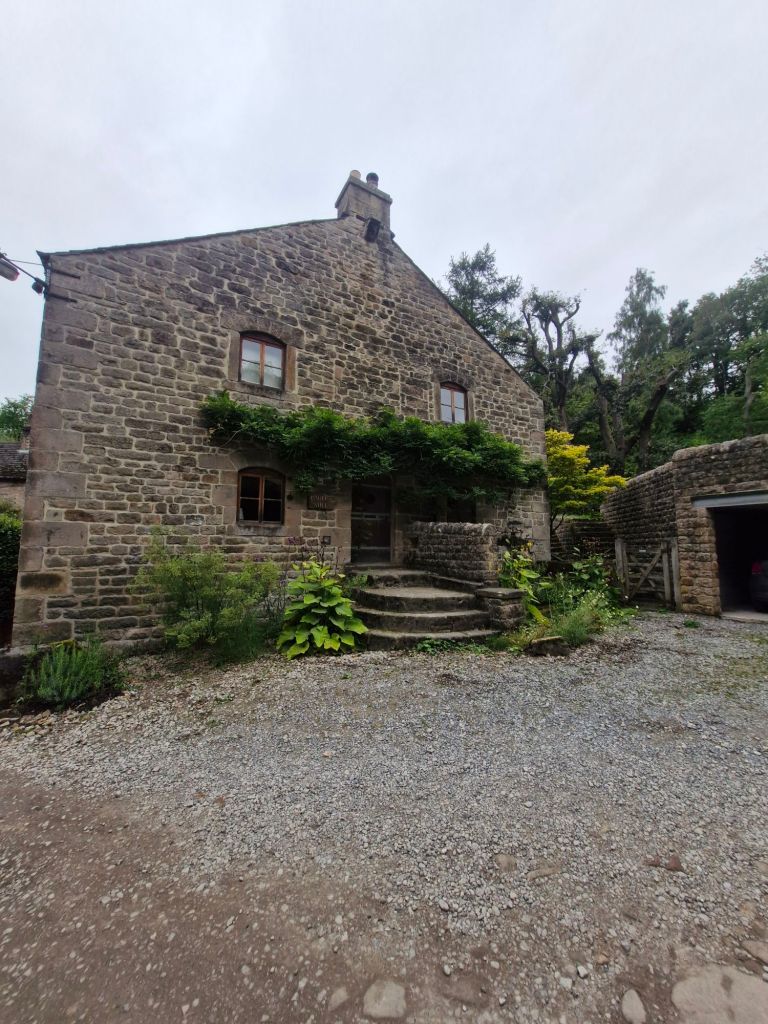
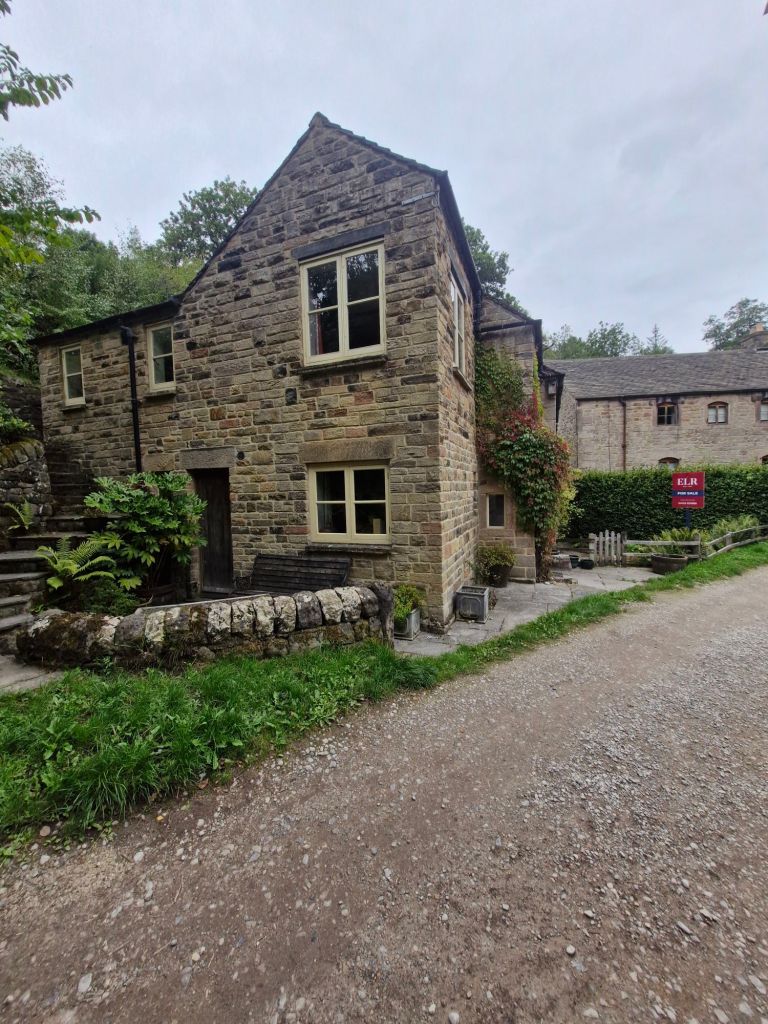
As I said its time to carry on into woodland and see the waterfalls.



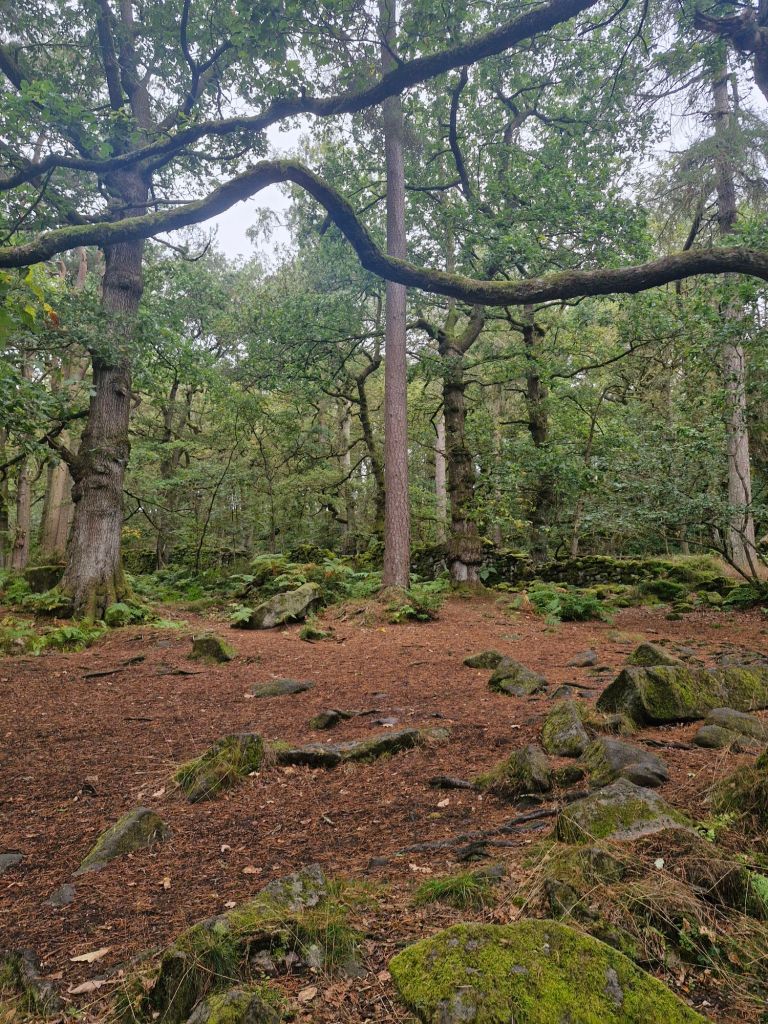
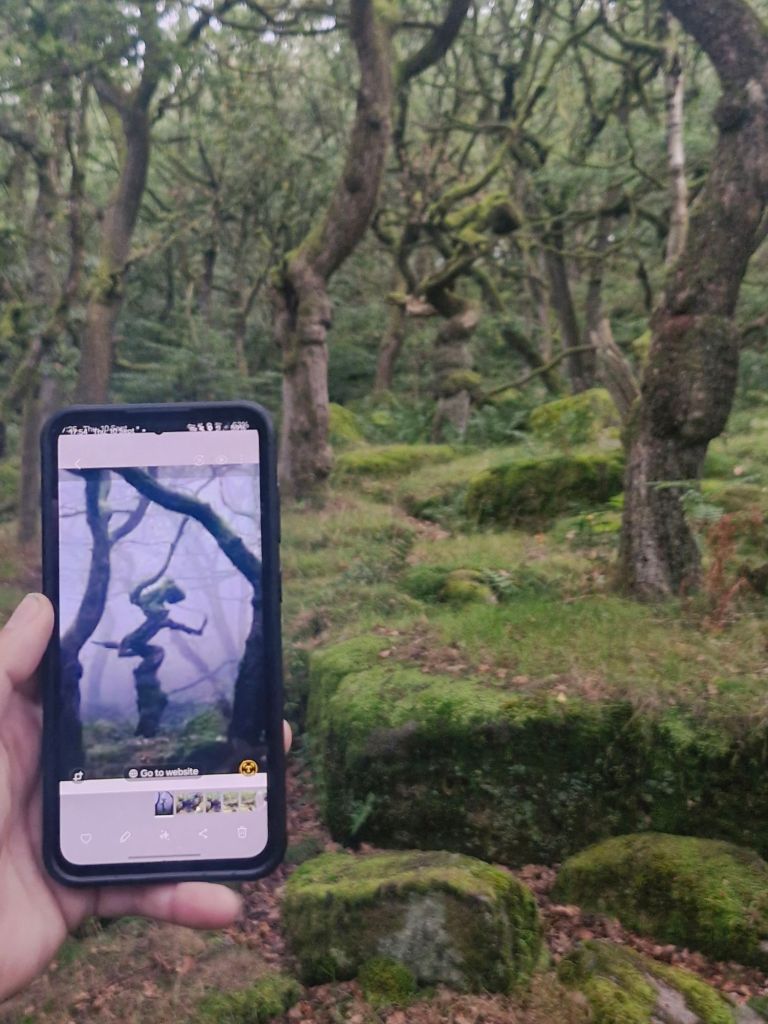
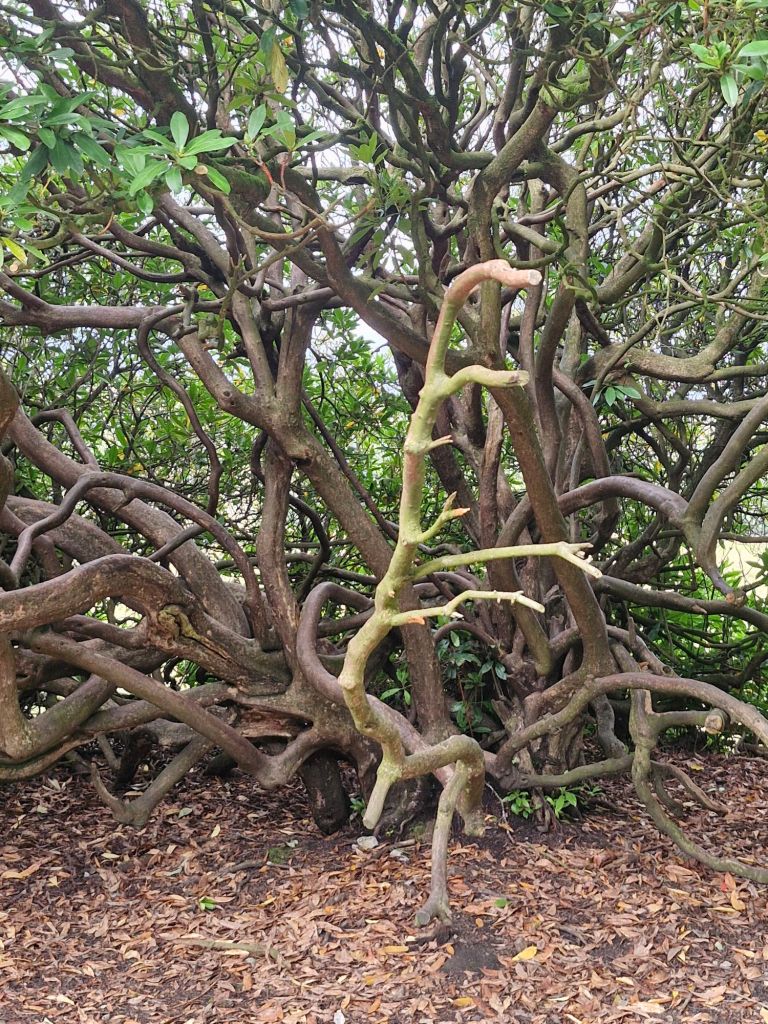
The tree is often referred to as “The Dancer” because of its spiraling, human-like pose.
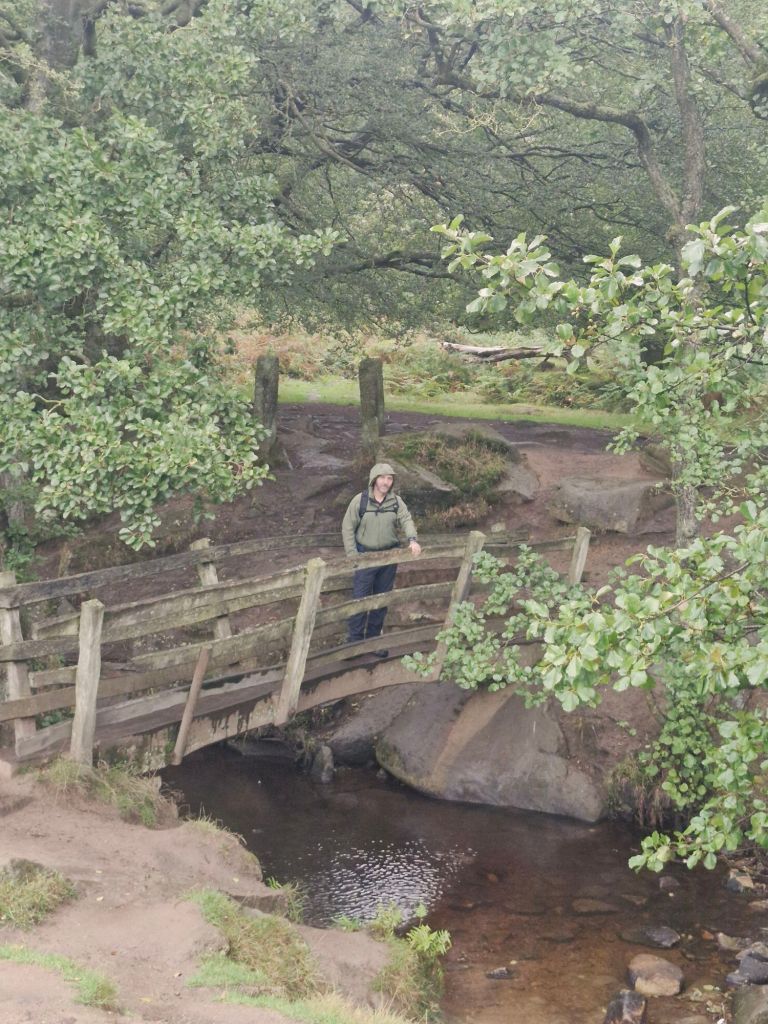
We had bouts of rain but also sunshine which was lovely. The rain didn’t bother us at all. It was lovely to get back here and I’m sure to return when the leaves change to show you the fire they put on.


Leave a comment