Or also known as Crow’s Fortress. This pipped my interest immediately. I need to see this.
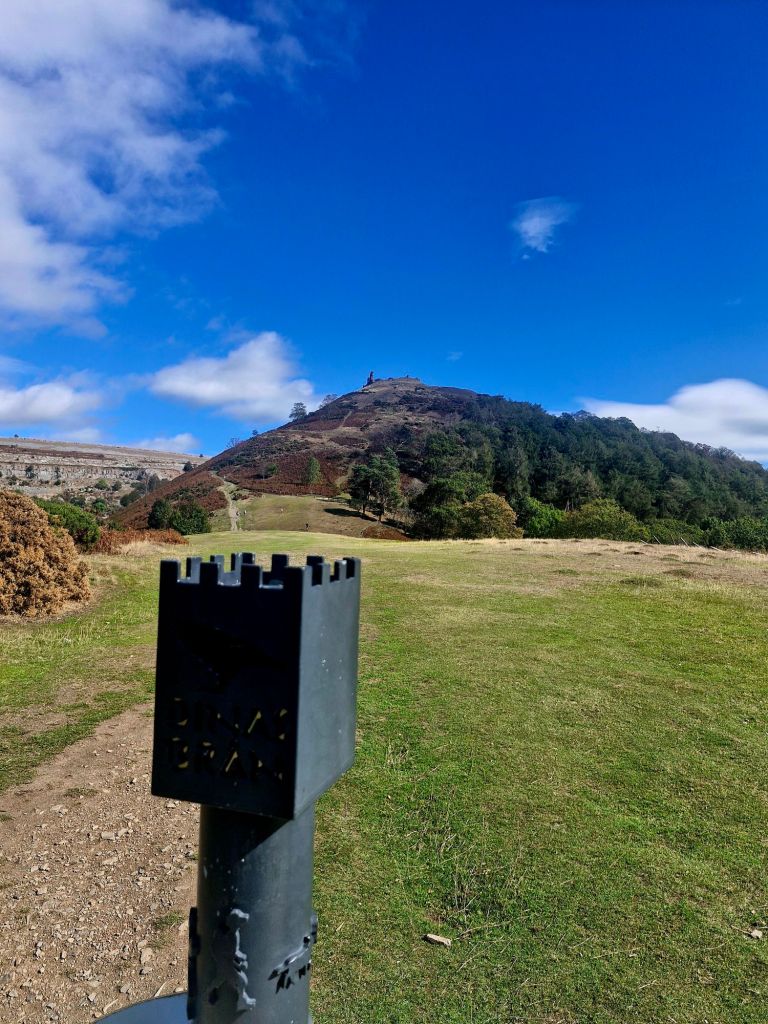
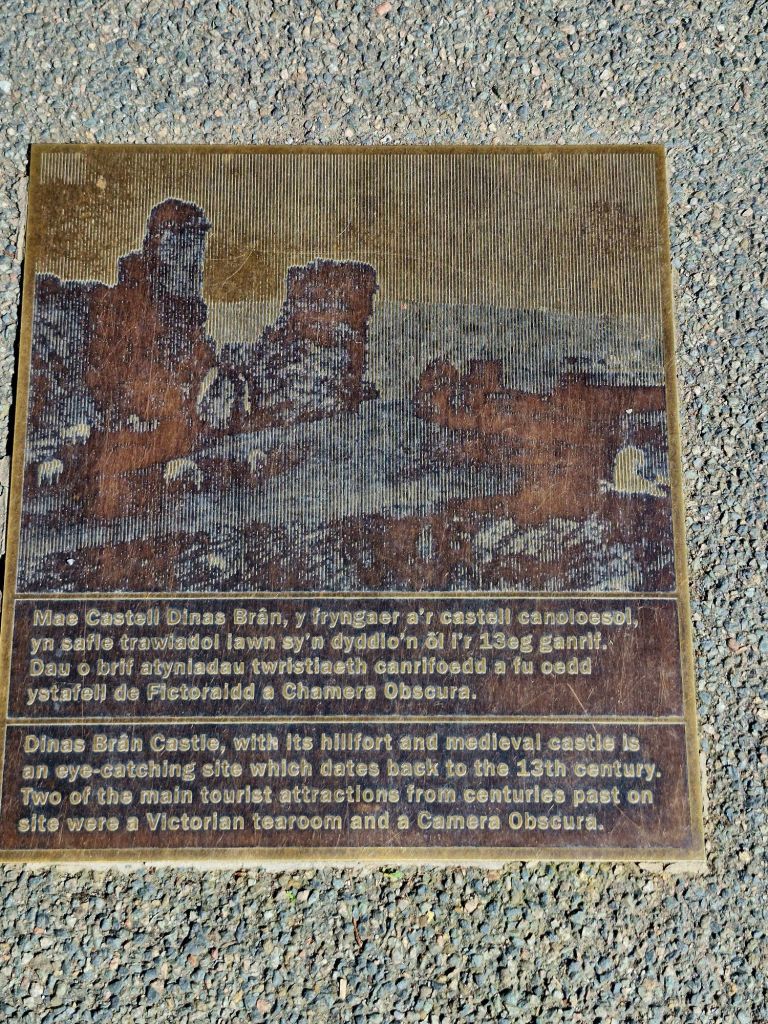
Along the valley’s floor, the waters of the River Dee cut a wide arc around the base of Castell Dinas Bran, a conical tor surmounted by the evocative ruins of a native Welsh castle, built in the 1230s, above the town of Llangollen. Believed to have been built in the 1260s on the site of an Iron Age hillfort. Translate as ‘crow’s fortress’ the castle would have provided a far reaching view over Llangollen.
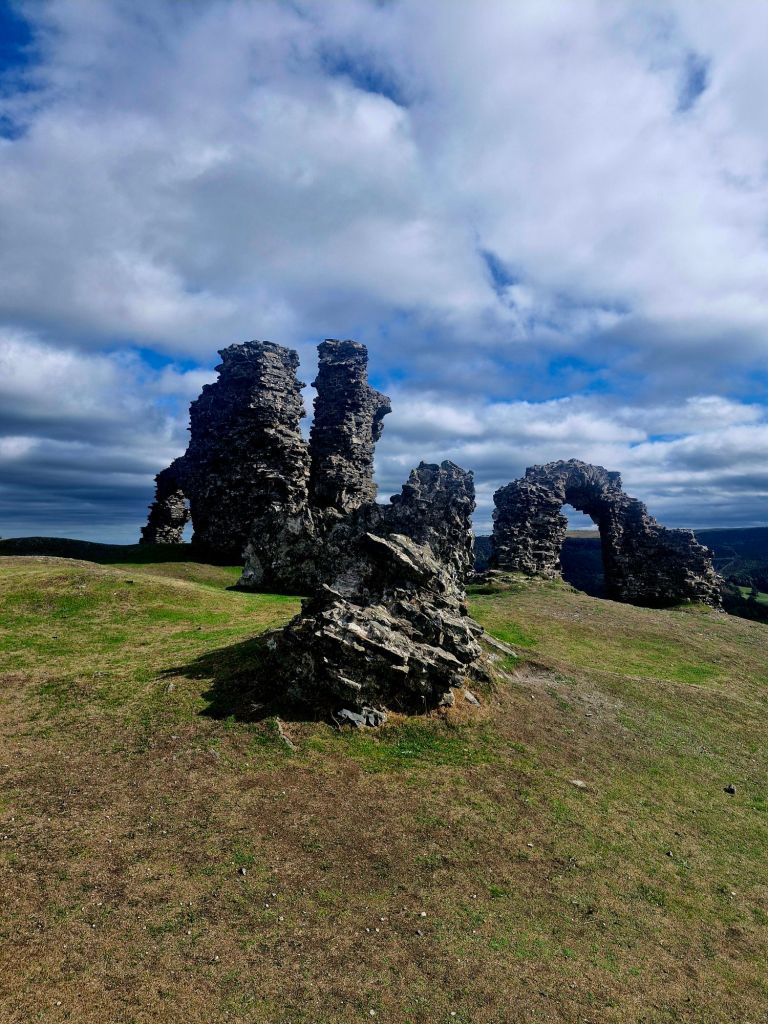
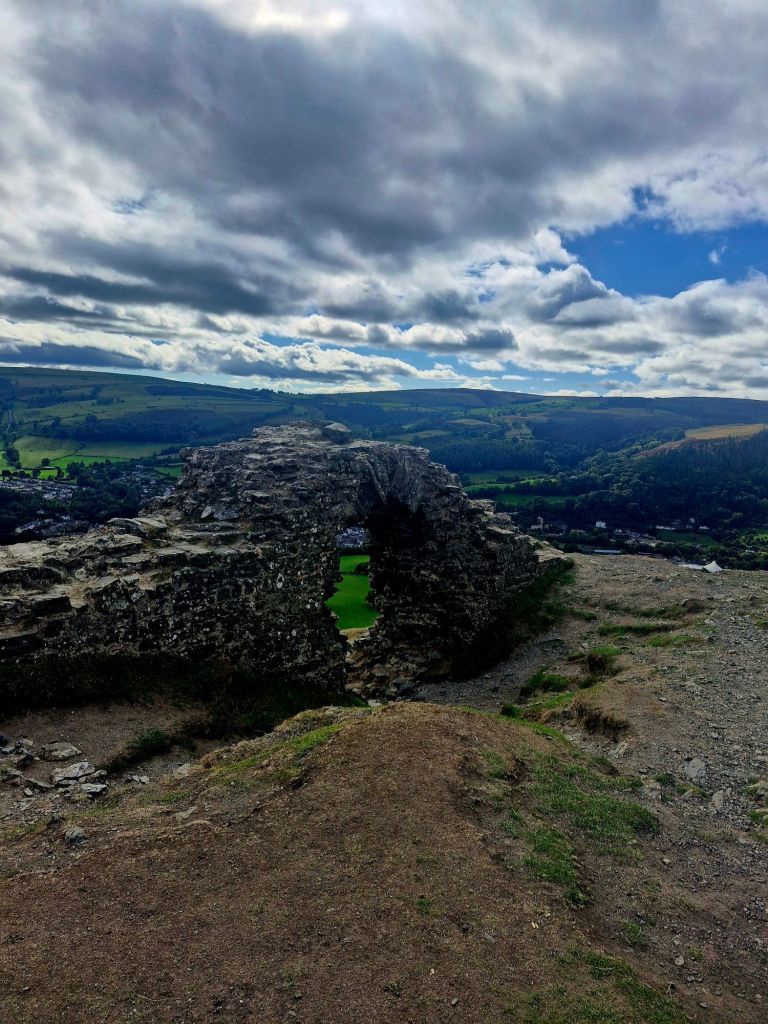
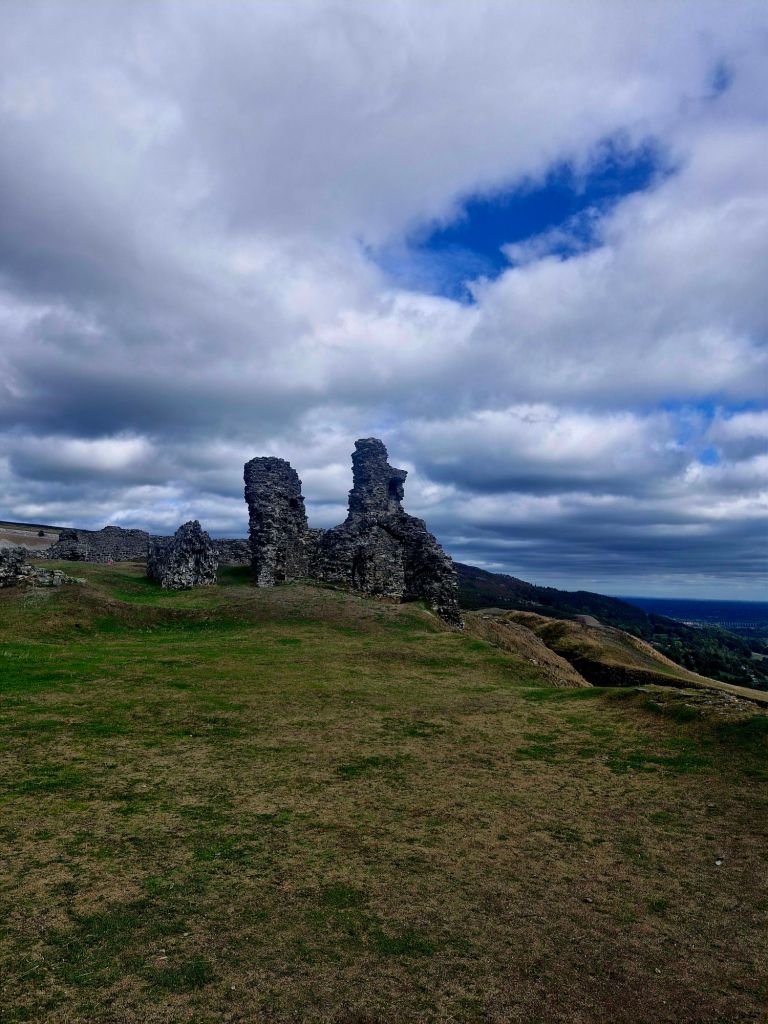
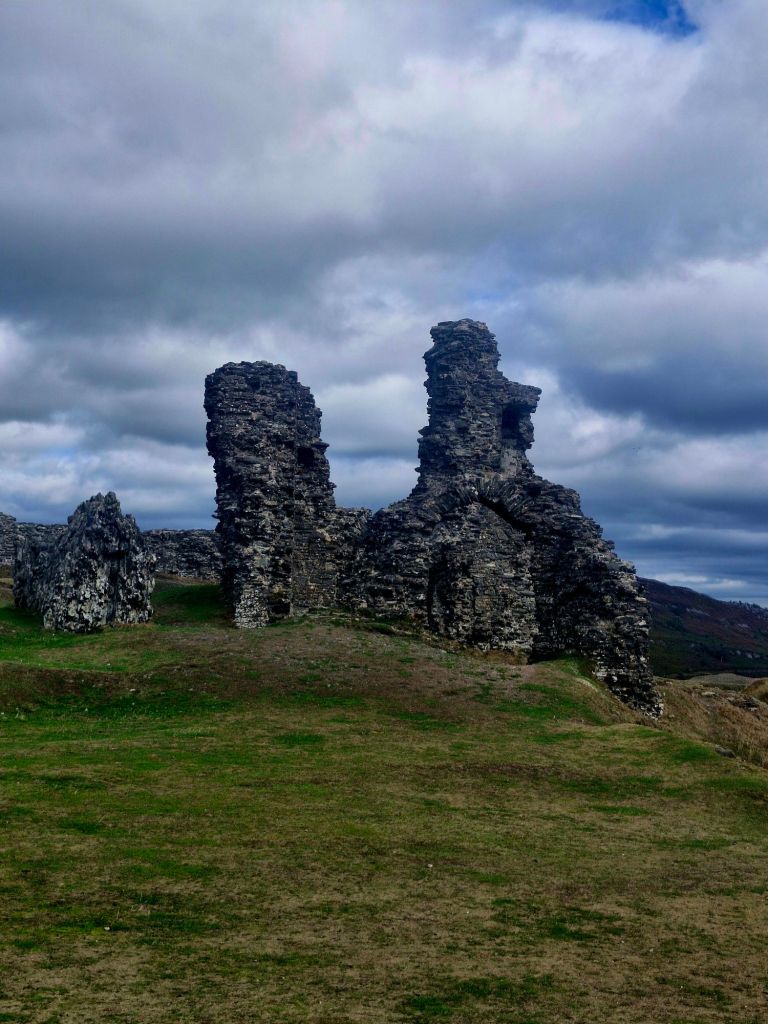
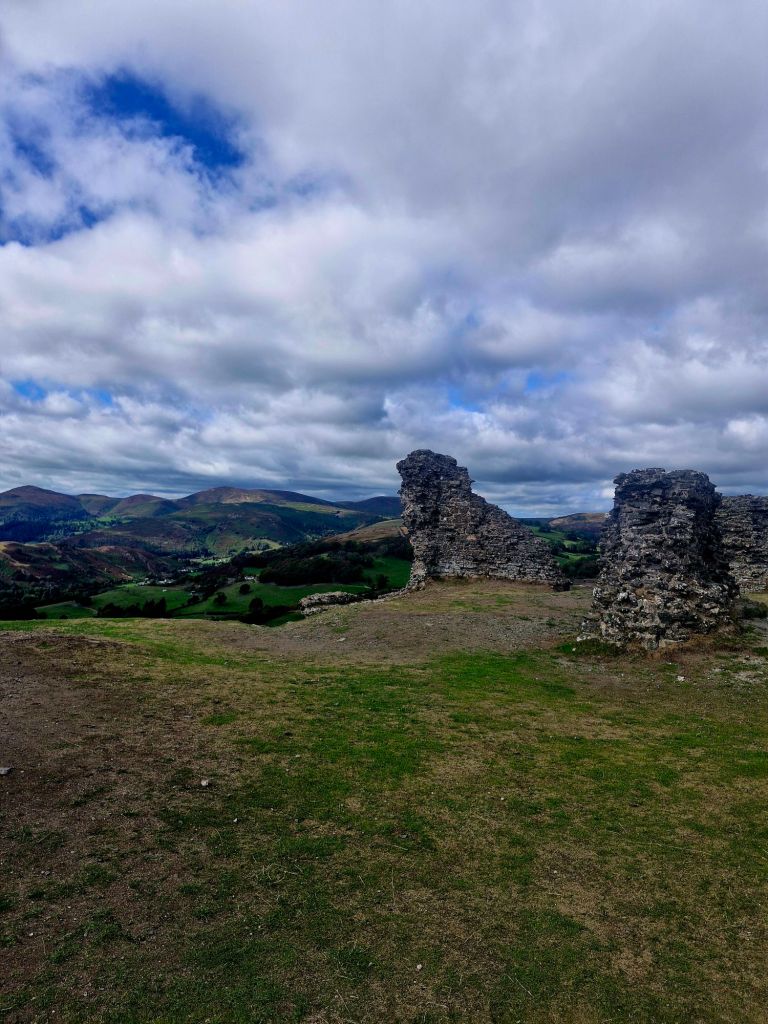
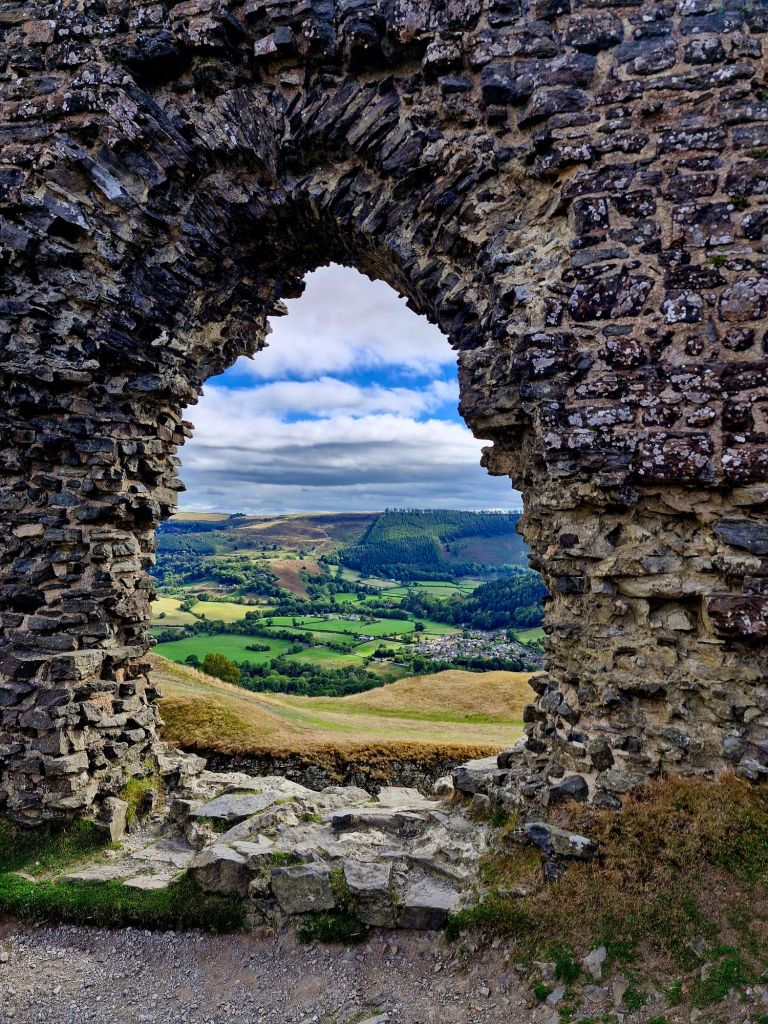
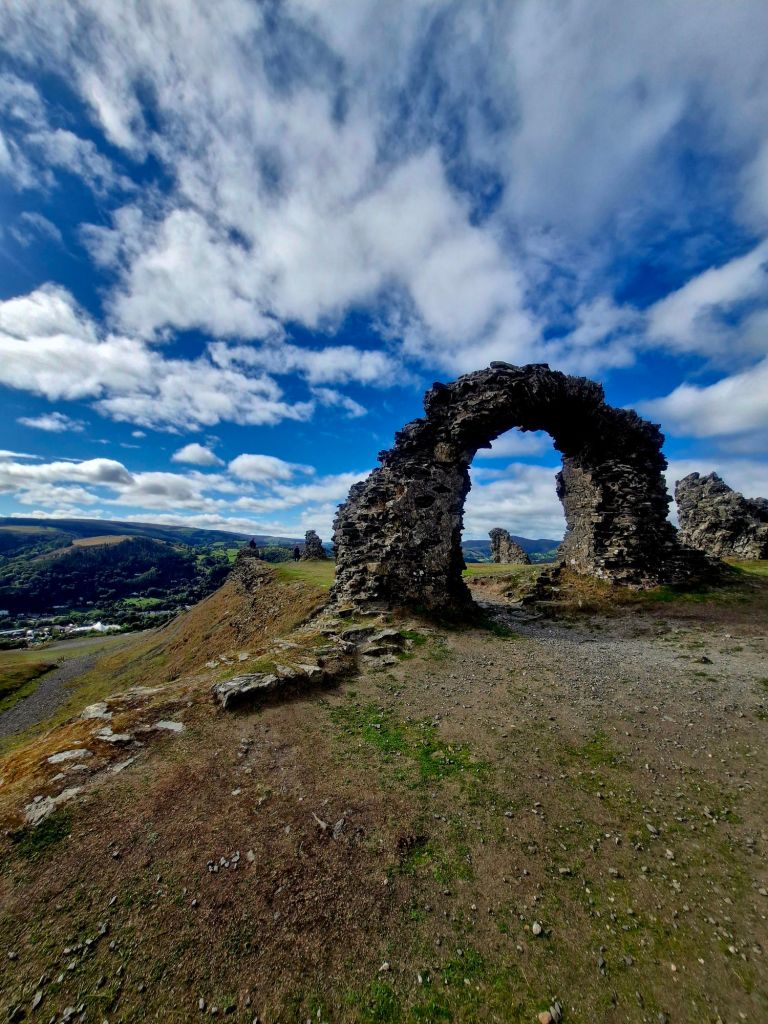
Views for miles its a glorious place to visit if you can.
Dinas Brân may have been a fortification in the Kingdom of Powys. When its last Prince, Gruffydd Maelor, died in 1191, his kingdom was divided into Powys Fadog in the north and Powys Wenwynwyn in the south. His son, Madog ap Gruffydd Maelor, the lord of Powys Fadog, who founded Valle Crucis Abbey at Llantysilio in 1201 might have ruled from Dinas Brân. Whatever structure existed at this site, it would have been a wooden fortification probably consisting of a wooden palisade surrounding a hall and other buildings. Early records attest to this early castle being destroyed by fire.
Following the destruction of the wooden castle, Gruffydd II ap Madog, Lord of Dinas Bran, the son of Madog ap Gruffydd Maelor, rebuilt Dinas Brân in stone sometime in the 1260s. At the time Gruffydd II ap Madog was an ally of Prince Llywelyn ap Gruffudd Prince of Wales, with Powys acting as a buffer state between Llywelyn’s heartland of Gwynedd and England. Dinas Brân was one of several castles being built following the signing of the Treaty of Montgomery which had secured Wales for Llywelyn, free from English interference. The castle at Dolforwyn Castle near Newtown, which was ordered to be built by Llywelyn around the same time, has some similarities to Dinas Brân and may have been the work of the same master mason. When Gruffudd died in 1269 or 1270, the castle was inherited by his four sons. Madoc the eldest son was senior but each of the sons may have had apartments at Dinas Brân.
The peace between Llywelyn and Edward I did not last long. In 1277 Edward launched the Conquest of North Wales from Chester. Two of Gruffudd’s sons, Llywelyn and Madoc, quickly made peace with Edward. However, their surrender documents state the need to recapture Dinas Brân proving that the fortification was not under Madoc’s control. Henry de Lacy, Earl of Lincoln was sent with forces from Oswestry to capture Dinas Brân. As soon as he had arrived he was told that the defenders of the castle, probably the younger brothers Owain and Gruffudd – who were still allies of Llywelyn Prince of Wales, had abandoned the castle and set it alight. The reason for this action is not clear but it may be that they had no confidence that they could defend the castle so did not want to let it fall intact to the English or their elder brother. Despite the fire, the castle was not badly damaged. The Earl of Lincoln recommended to Edward that the castle be repaired and garrisoned. The castle was occupied by the English till at least the Treaty of Aberconwy when Llywelyn sued for peace and ordered some repair work be undertaken.
Dinas Bran from Llangollen by Richard Wilson, 1771
When the war restarted in 1282, the history of the castle is not recorded. It may have been recaptured by the Welsh like many other castles in the early months of the war, but ultimately it fell to the English. After Madoc died: the three surviving brothers all fought for Llywelyn. Following the end of the war in October 1282 and the death of Llywelyn, most of Powys Fadog including the castle was granted to John de Warenne, Earl of Surrey. Rather than rebuild Dinas Brân, De Warenne choose instead to build a new castle by the River Dee at Holt on the Flintshire-Cheshire border. Dinas Brân was left to fall into ruin.


Leave a comment