As I have previously stated in my blog (here) I’ve have finally had results for the constant knee issues I’ve had. Its a Meniscus tear.
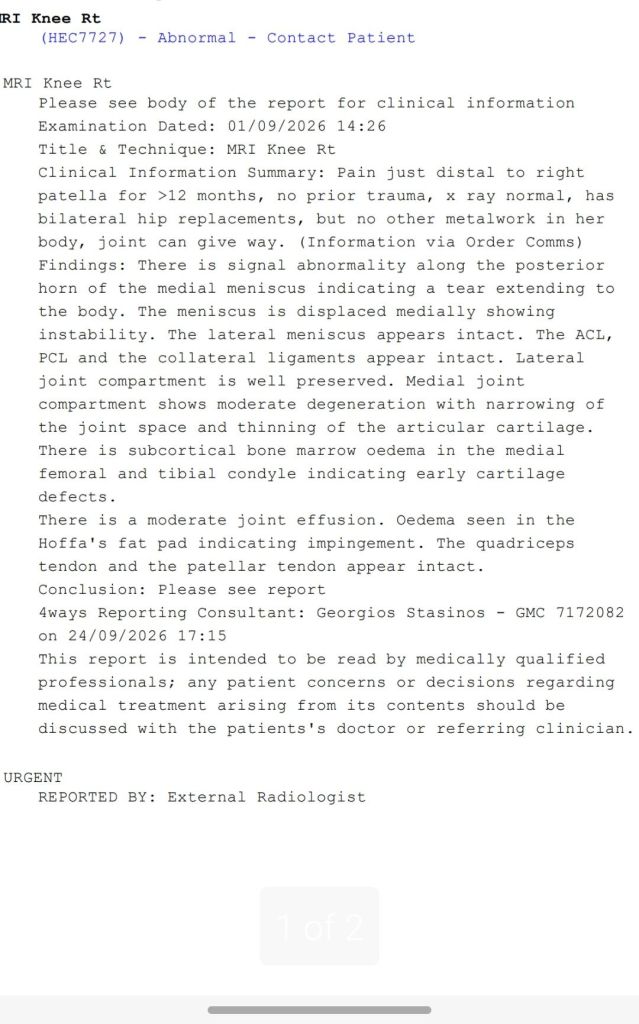
Its actually more than just a tear. So I need to get clued up and research the best practice in healing and fixing myself.
My MRI scan shows that your knee has a combination of a meniscus tear, joint wear-and-tear (arthritis), and some inflammation.
Here is what each of those medical terms means in plain English:
1. Meniscus Tear and Displacement
- What the report says: “Medial meniscus indicating a tear extending to the body. Meniscus is displaced medially showing instability.”
- What it means: The medial meniscus is the C-shaped shock absorber on the inner side of your knee. You have a tear in the main part (the “body”) of this cushion. Because of the tear, the cushion has slipped out of its normal position and squeezed outward (displaced medially). This means it is no longer sitting securely where it should to protect your joint.
2. Joint Degeneration (Arthritis)
- What the report says: “Medial joint shows moderate degeneration with narrowing of joint space and thinning of the articular cartilage.”
- What it means: The smooth protective coating on the ends of your bones (articular cartilage) is wearing down or thinning on the inner side of your knee. Because this coating is thinning, the actual space between your thigh bone and shin bone has become narrower. This is a classic sign of moderate osteoarthritis.
3. Bone Marrow Oedema
- What the report says: “Subcortical bone marrow oedema in the medial femoral and tibial condyle indicating early cartilage defects.”
- What it means: “Oedema” means swelling or fluid buildup. Your thigh bone (femur) and shin bone (tibia) are bruising internally right under the worn-down cartilage on the inner side of your knee. Because the cartilage is thinning, the bones are taking more stress and impact than usual, causing this deep bone bruising.
4. Fluid and Impingement
- What the report says: “Moderate joint effusion. Oedema seen in Hoffa’s fat pad indicating an impingement.”
- What it means: A “joint effusion” means you have an increased amount of inflammatory fluid inside the knee—often called “water on the knee.” Furthermore, Hoffa’s fat pad—a protective cushion of fat that sits just behind your kneecap—is getting pinched or compressed (impingement), which has caused it to become swollen and inflamed.
Summary of What is Happening
The shock-absorbing cushion on the inner side of your knee is torn and out of place. Because it isn’t doing its job perfectly, the bones on the inner side of your knee are rubbing together more than they should, causing cartilage wear, bone bruising, extra fluid buildup, and pinching of the fat pad behind your kneecap.
Well that was a bit disappointing, he wants to instantly refer me for surgery. So I let him. Knowing I will be doing some early stage rehab exercises that are for meniscus tears.
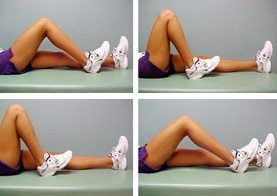
Heel Slide (knee flexion – extension on bed) 10 reps x 3
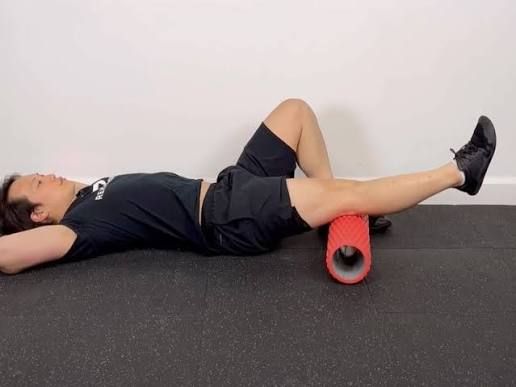
End of range Knee extension foam roller 10 reps, Hold for 10 seconds.
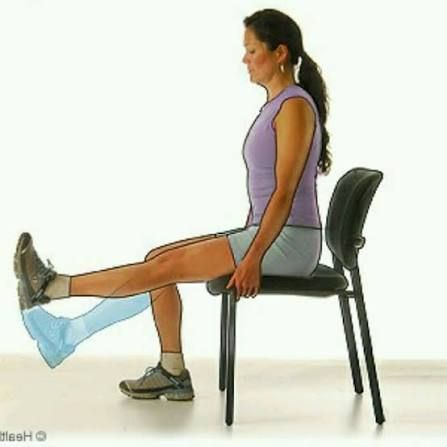
End of range Knee extensions in a Chair. 10 reps, Hold for 10 seconds
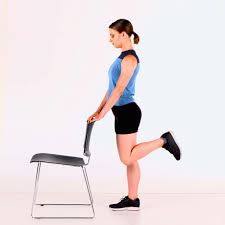
Standing Hamstring curls 10 reps, Hold for 10 seconds.
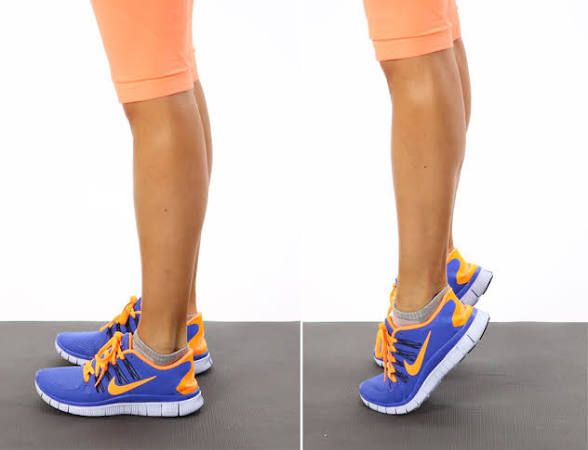
Calf Raises 15 reps x 3
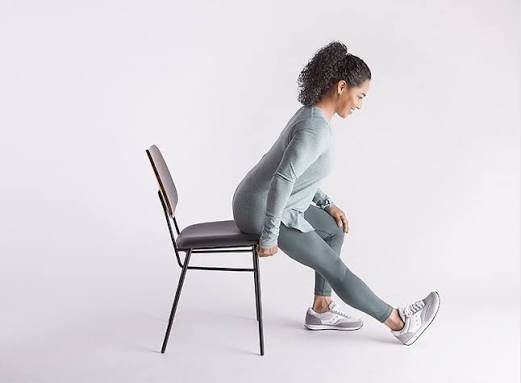
Gentle Hamstring stretch in chair 3 reps, Hold for 30 seconds.
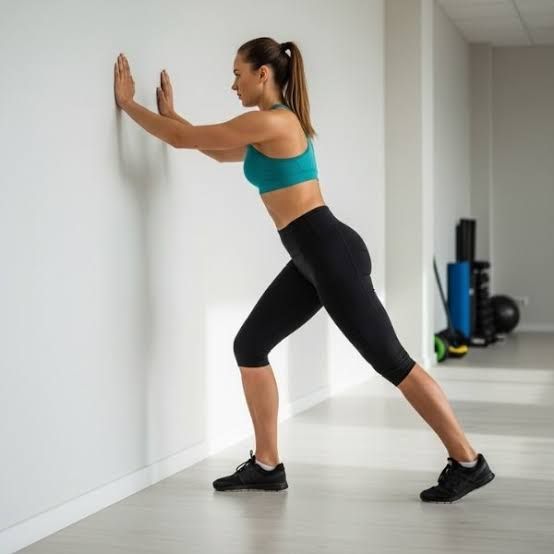
Calf Stretch standing 3 reps, Hold for 30 seconds.
Hopefully these will assist in keeping the muscles around the knee in good shape.


Leave a Reply